As an Amazon Associate, we earn from qualifying purchases. Some links on this site are affiliate links at no extra cost to you. Our recommendations are based on thorough research and editorial judgment.


How Drum Sizes Affect Tone and Pitch

Drum sizes greatly impact tone and pitch, with smaller drums featuring diameters around 12 inches producing higher pitches and sharper attacks. Conversely, larger drums, like concert bass drums measuring 28 to 40 inches, deliver deeper, richer sounds and lower tones. Additionally, drum depth affects resonance; shallower shells yield quicker responses while deeper ones enhance air movement, resulting in prolonged sustain. Understanding these dimensions is essential for achieving desired sounds, and there is more to explore about drum specifications and their effects.
Key Takeaways
- Smaller drums, like those with a 12-inch diameter, produce higher pitches and punchier sounds.
- Larger drum diameters enhance resonance with lower frequencies, resulting in richer, deeper tones.
- Drum depth significantly influences air movement, with deeper shells offering longer resonant tones.
- Shell thickness affects resonance; thinner shells create warmer sounds, while thicker shells increase volume and projection.
- Tuning drummers’ heads influences tone; the resonant head should be tuned higher than the batter head for optimal sound quality.
Diameter and Its Impact on Tone
You may be interested


The relationship between a drum’s diameter and its tone is a fundamental concept in percussion. Smaller drums, with diameters like 12 inches, produce higher pitches, while larger drums generate lower tones. This is primarily because a greater diameter allows for a richer sound, especially when paired with thicker drum heads. Larger drums resonate more fully with lower frequencies, enhancing their overall tone and warmth. For instance, concert bass drums range from 28 to 40 inches in diameter, making them suitable for various musical ensembles seeking depth in sound. Additionally, the tuning of a drum influences the pitch range achievable; larger drums are often easier to tune down, revealing their full tonal capabilities. Furthermore, the interaction of drum depth and diameter contributes significantly to the richness and projection of the bass drum’s sound.
The Role of Depth in Drum Sound

Understanding how drum depth influences sound is just as important as recognizing the effects of diameter. The depth of a drum greatly affects its tonal response; shorter shells create less air space, allowing for quicker transmission to the resonant head. In contrast, deeper shells enhance air movement and reflection, resulting in longer resonant tones and a warmer overall sound. Shallow drums, on the other hand, typically produce sharper attacks and shorter sounds, while deeper shells deliver rich low-frequency resonance and sustain. For instance, concert bass drums, with depths ranging from 14 to 22 inches, illustrate how depth affects tone, projection, and volume. Therefore, variations in drum depth are essential for achieving the desired sound of a drum across different musical styles. Additionally, selecting the appropriate drum diameter is crucial since it combines with depth to tailor the overall sound characteristics of the bass drum.
Comparison Between Smaller Kits and Larger Kits

When comparing smaller drum kits to larger ones, it becomes clear that size greatly influences sound quality and playability. Smaller size drum kits typically produce punchier sounds, requiring less energy for louder volumes; this feature is advantageous for nuanced playing. Conversely, larger drums deliver deeper, lower pitch sounds, achieving higher volumes at the cost of increased effort. The diameter and depth of drums in each kit impact their tuning range: smaller drums reach higher pitches whereas larger drums resonate at lower frequencies due to slower vibrations. With their affordability and ease of transport, smaller kits often appeal to drummers seeking convenience. Ultimately, the size distinction affects sound profiles, making smaller kits ideal for sharp attacks, while larger kits cater to genres requiring fuller, resonant tones. The choice of drum head, such as single ply heads for brighter tones or double ply for warmth, further shapes the tone produced by different sized drums.
Recommended Products
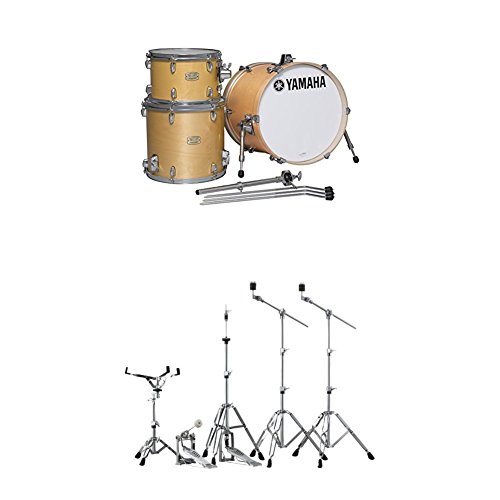
Included Drums: 18"x15" kick, 12"x8" rack tom, 14"x13" floor tom
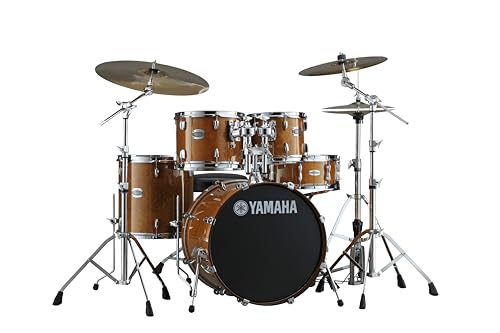
Included Drums: 20x17 kick, 10x7 rack tom, 12x8 rack tom, 14x13 floor tom, 14x5.5 snare
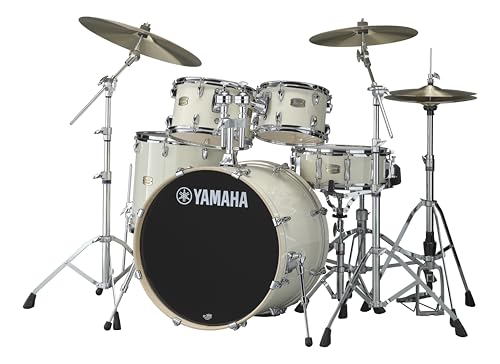
The Yamaha Stage Custom Birch drum set is ideal for those learning to play, for students, for teachers and for working musicians who require a dependable gigging set that adapts to any venue
Shell Thickness and Material Considerations
Drum shells play an essential role in shaping the overall sound and character of a drum. Shell thickness considerably affects the instrument’s tone; thinner shells resonate more and create a warmer sound due to their lower mass. In contrast, thicker shells rely more on the resonant head to generate tone, producing increased volume but potentially less resonance. The choice of shell material further impacts sound quality; maple is favored for its balanced frequency response, while mahogany offers a rich low-end warmth. Birch and poplar shells provide brighter tones with enhanced projection, but may lack the depth found in thicker woods. Understanding these factors helps drummers choose the right configuration to achieve their desired auditory experience. Additionally, the material response to different drumsticks can further alter the tonal characteristics and playing experience.
Recommended Products

6-ply/5.4mm 100% Maple SST shell

Configuration Snare Size: 14 x 12 in. Total Pieces: 1 Extras Case or Bag: Not Applicable Stand: Not Applicable Shells Shell Material: Maple Shell Construction: 8-Ply Shell Thickness (mm): Info Not Available Bearing Edge: 45 Reinforcement Ring: Yes Hardware Hardware Material: Aluminum Hoop Type: Die-cast Lugs: Tube Throw-Off: Tap-Style Internal muffler: No Snares: Steel Othe

Precision-fit Stainless Steel tension rods
The Effects of Shell Interior on Resonance
The interior surface of a drum shell greatly influences the instrument’s resonance and overall tonal quality. Smoother interiors enhance resonance as they allow sound waves to reflect uniformly, creating clear and focused tones. Conversely, rougher surfaces disrupt these reflections, diminishing sound quality. The shell’s shape and contour also play a crucial role, affecting how sound waves travel and interact within the drum. A well-finished interior promotes better tuning stability, ensuring consistent sound during performances. Additionally, internal features like reinforcement rings can alter frequency response, impacting the balance between fundamental pitches and overtones. Ultimately, drums designed with careful attention to internal elements produce pronounced resonance and tonal clarity, essential for achieving a desirable sound in various musical contexts. The bearing edges of a drum shell, often designed at precise angles such as 45 degrees, significantly improve sound projection and clarity by shaping how the drum head contacts the shell interior.
Importance of Bearing Edges in Drum Construction
Bearing edges play a crucial role in defining the overall sound and tonal characteristics of a drum, serving as the essential connection between the drum head and the shell. These angled surfaces greatly influence how the drum resonates, affecting both tone and clarity. For instance, sharper bearing edges typically yield brighter tones with pronounced attack, while rounder edges create a warmer, subdued sound. Consistency in the angles of bearing edges guarantees uniform tuning across the drum, leading to a balanced harmonic blend. Additionally, well-crafted edges enhance resonance, allowing smoother sound transmission, while rough edges can inhibit internal reflections, reducing sustain. Ultimately, properly designed bearing edges empower drummers to achieve their desired musical expression, greatly impacting performance quality. Pairing precise bearing edges with high-quality tom drum heads featuring technologies like Level 360 Technology can further optimize resonance and tuning flexibility.
Influence of Hoops on Tuning and Sound Quality
Although often overlooked, the hoops on a drum greatly impact both the instrument’s tuning capabilities and sound quality. The type and thickness of these hoops play an essential role; thicker hoops typically allow for easier tuning and better modulation of overtones. For instance, die-cast hoops are known for their strength, helping to reduce unwanted overtones and resulting in a more focused sound. In contrast, wooden hoops can offer unique tonality, resembling the characteristics of either stamped or die-cast options. Furthermore, the design quality of the hoops greatly influences the drum’s overall acoustics, affecting resonance and clarity. Finally, the number of lugs can further modify sound, with more lugs often leading to dampened resonance while fewer lugs encourage a more open tone. Ensuring all drum hardware, including wing nuts, is made of durable materials is essential for maintaining optimal sound quality and tuning stability.
Recommended Products

Dual-Turret Lug, True-Pitch Tension Rods and Die-Cast Claw Hooks

Product Type: Percussion Instruments

6.5" x 14" Brass Snare Drum with 1.2mm Shell Die-cast Hoops - Satin Black Nickel
Tuning Techniques for Desired Tonal Quality
With an understanding of how hoops influence the sound of a drum, attention can now turn to the process of tuning, which plays an equally significant role in shaping tonal quality. Drum tuning requires adjusting the tension of the heads, achieving a consistent tone across all striking locations. Ensuring the resonant head is tuned a major second higher than the batter head enhances fullness and resonance, contributing to a richer sound. Furthermore, uniform head tension is vital; maintaining balanced tension on both heads can create a harmonious tone, while differing tensions yield unique sonic characteristics. Regularly checking and adjusting drum heads is essential to avoid unwanted sympathetic vibrations, ultimately assuring ideal acoustic quality for every performance. Considering the importance of cam features in pedal performance can similarly influence how a drummer interacts with their instrument’s tone and dynamics.
Recommended Products

Tone Ring: 11" Brass Flat Top

Lightweight - Less than 5lb! Take your Deering Gooddtime banjo with you anywhere! Camping, festivals, the beach, on stage! The Deering Goodtime banjo is extremely durable, plays great, and sounds great!
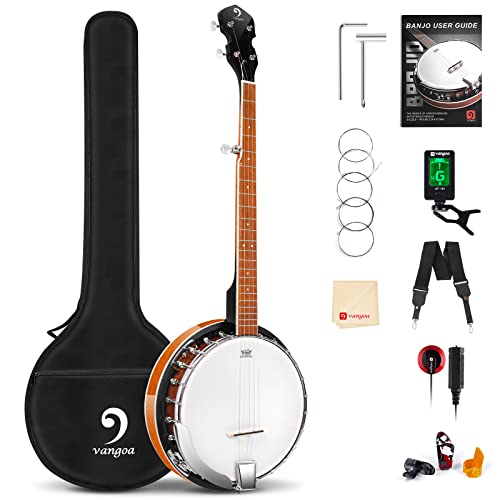
✅[Fabulous Tone] Premium Mahogany banjo contributes for a sweet full sound, perfect for any style of music. The high standard arched resonator offers an excellent vibration for a wonderful tone, bright and twangy, while it's removable to be an open back banjo for a mellower, more intimate tone, versatile for undecided beginners
Different Sounds Achieved Through Tuning
Tuning drums is an essential process through which musicians can access a diverse range of sounds that enhance their performance. By adjusting the tension of the drum heads, players can achieve varying resonant frequencies, dramatically altering the overall sound produced. Generally, equal tension on both the top and bottom heads creates a balanced tone, while differences in tension can greatly influence volume and sustain characteristics. For instance, tighter bottom heads typically generate louder sounds with longer sustain, giving drums enhanced tonal presence. Furthermore, drummers often tune tom-toms relative to each other, aiming for a harmonious sound, even considering that drums lack the distinct pitch clarity of other instruments. This impactful contrast in head tension offers musicians an array of sound options during their performances. Additionally, selecting the appropriate resonant drum head thickness can further refine the tonal quality and sustain of the drum.
Recommended Products

Nanometer Thickness Diaphragm A breakthrough core technology developed by HIFIMAN and first of its kind in headphone application. Working with this advanced material is extremely challenging yet the successful incorporation of this film as the Arya’s planar driver is the cornerstone of its remarkable sound.

5-5.5KG lacquer polish copper bayan, 9-9.25 inch head, concert-grade weight and resonance.

The Relationship Between Drum Dimensions and Tonal Character
The dimensions of a drum greatly influence its tonal character, making the choice of size a critical factor for drummers aiming to achieve specific sound qualities. The diameter of a drum shell is particularly important, as larger drums typically produce lower pitches due to enhanced air movement and resonance. For instance, a 22-inch bass drum delivers a thick, warm sound, while smaller toms, like a 12-inch, cannot replicate this deep tone. Additionally, the drum’s depth considerably affects sound, with deeper shells allowing more air movement, producing longer resonant tones. In contrast, shallower drums generate punchier attacks by directing air quickly to the resonant head. Ultimately, drummers must consider these dimensions to craft their desired tonal palettes. Furthermore, selecting the appropriate ply thickness can further influence a drum’s resonance and tonal character, as thicker shells tend to produce brighter tones while thinner shells yield warmer sounds.
Frequently Asked Questions
How Does the Size of a Drum Affect Its Pitch?
The size of a drum affects its pitch through drum resonance, where larger drums produce lower tones. Shell material and tuning techniques further modify this pitch, influencing overall sound quality and musical expression in performances.
What Is the 80/20 Rule in Drumming?
Eighty percent of a drummer’s improvement stems from twenty percent of focused practice. This 80/20 rule enhances practice efficiency by guiding attention to essential drumming techniques, ultimately optimizing sound production and overall performance quality.
Why Do Small Drums Produce High Pitched Sound?
Small drum characteristics, such as reduced air volume and diameter, enable higher pitches. Tuning techniques enhance this brightness, while drum shell materials can further influence the tonal quality, resulting in sharper, more articulated sounds overall.
What Is the Difference Between a 13 Inch and 14 Inch Snare Drum?
The 13-inch snare drum emphasizes snare tuning for sharper sound projection, while the 14-inch drum’s larger shell offers a fuller tone. Players may choose based on genre, balancing sharpness and warmth to suit their style.