As an Amazon Associate, we earn from qualifying purchases. Some links on this site are affiliate links at no extra cost to you. Our recommendations are based on thorough research and editorial judgment.


Country Music Drum Patterns and Train Beats

Country music drum patterns, particularly the Train Beat, are essential for creating the genre’s signature rhythm. The Train Beat features steady eighth notes that mimic a moving train, providing a driving force behind many country songs. Key elements include synchronized bass drums with bass guitars and varying sticking patterns that add complexity. Essential equipment, like deep snare drums and well-placed cymbals, enhances overall sound. Understanding these patterns reveals a deeper appreciation of country music’s emotional storytelling, leading to further discoveries.
Key Takeaways
- The Train Beat features steady eighth notes, mimicking the rhythm of a moving train, essential for country music’s sound.
- Drummers often synchronize the bass drum with the bass guitar to enhance the overall groove and flow.
- Variations in sticking patterns within drum patterns allow for complexity and emotional expression, vital to engaging storytelling.
- Classic songs, like Johnny Cash’s “At Folsom Prison,” exemplify the use of the Train Beat in country music.
- Beginners can master foundational patterns to develop their skills and incorporate embellishments for a more personal touch in performances.
The Essence of Country Music

You may be interested


The heart of country music lies in its rich blend of cultural influences and musical elements. Originating in the southern United States during the 1920s, this genre draws heavily from folk and blues traditions. Characterized by the use of instruments like fiddles, acoustic guitars, and, importantly, drums, country music creates a distinctive sound that resonates with audiences. By the mid-1930s, drummers became essential, moving from background roles to a more prominent position within country ensembles. The genre is diverse, encompassing subgenres like bluegrass, rockabilly, and outlaw country, each with its own stylistic nuances. This variety allows for exploration of unique themes and rhythms, showcasing country music’s ability to connect emotions and storytelling through its unique instrumentation and melodic structure. In many recording and performance spaces, bass trap corners are used to optimize the sound environment by controlling low-frequency echoes and reverberations.
Understanding Drum Patterns

Various drum patterns form the backbone of country music, providing essential rhythmic support that drives its distinct sound forward. Among these, the Train Beat stands out, characterized by steady eighth notes that evoke the sound of a moving train, as demonstrated in Johnny Cash’s “Folsom Prison Blues.” To effectively perform a Train Beat, drummers skillfully synchronize their bass drum on the drum set with the bass guitar, enhancing the song’s overall flow. Additionally, variations in sticking patterns can introduce complexity, allowing drummers to expand their technical vocabulary. Mastering these foundational patterns, like the Train Beat, fosters both emotional expression and technical growth, serving as a springboard for incorporating embellishments, such as ghost notes and hi-hat accents, into the music. Utilizing drum practice pads can enhance timing and technique when working on these rhythmic patterns.
Recommended Products

[Practice Whenever U Want] - Donner Drum Practice Pad is a great practice pad for any drummer which offers an authentic playing experience. You can easily practice your skills at home or outdoors. Portable and lightweight! it works flexibly on any surface including carpet, table, and standard snare basket. Super long-lasting for kids' use, too!

[Practice Whenever U Want] - Donner Drum Practice Pad is the perfect practice pad for any drummer which offers an authentic playing experience. You can easily practice your skills at home or the outdoors. Portable and lightweight! it works flexibly on any surface including carpet, table, and standard snare basket. Super long-lasting for kids' use, too!
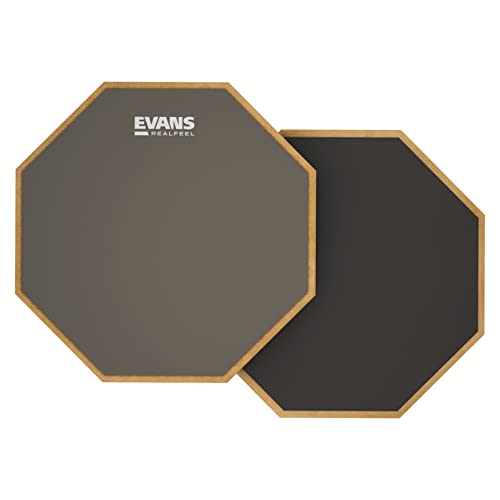
PRACTICE ANYTIME, ANYWHERE - Evans RealFeel Attacktile Drum Practice Pad provides the best practice substitute to acoustic drums. Portable and quiet, it works on any surface including carpet, table, lap or inside a standard snare basket.
Essential Equipment for Country Drumming
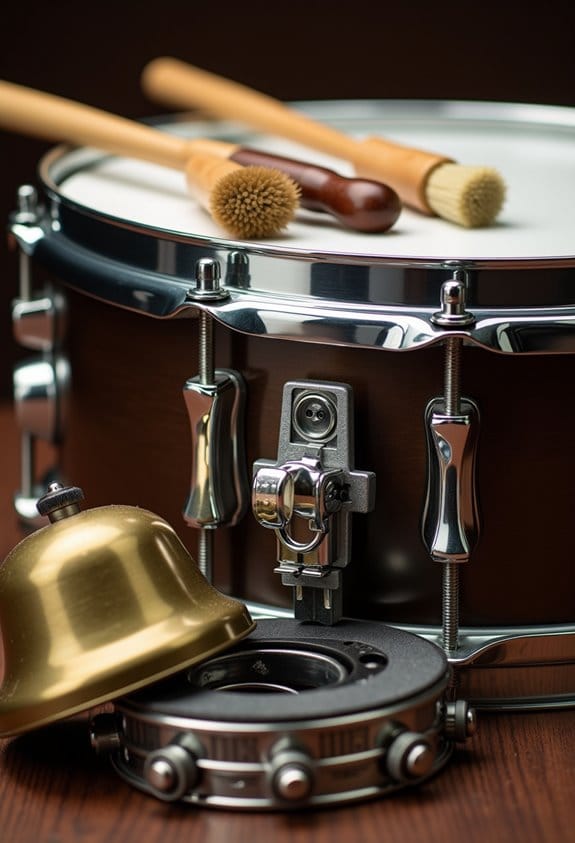
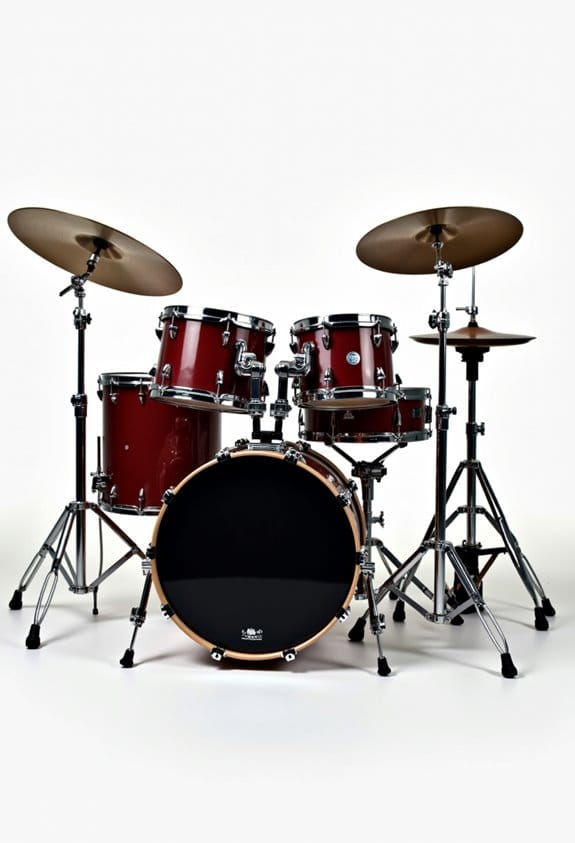
Choosing the right equipment for country drumming can greatly influence a drummer’s performance and overall sound. A standard setup typically includes a bass drum, measuring 22-24 inches, along with one or two rack toms and a 14-inch snare drum. Many drummers favor deep snare drums, ranging from 6 to 8 inches in depth, providing a low, rich tone that aligns with country music’s essence. The cymbal arrangement often features 14-15 inch hi-hats, 18-20 inch crashes, and 20-22 inch rides, with larger, washy cymbals enhancing the overall sound. Additionally, coated drumheads produce warm tones, while clear heads offer brightness. To add texture, country drummers may use brushes instead of sticks, especially during softer ballads, diverging from typical country drum techniques. Selecting drumheads with coated surfaces helps achieve the warm and controlled tones favored in country drumming.
Recommended Products

Complete Drum Brushes Set:This drum brushes set includes retractable wire drum brushes, bamboo multi rod drum sticks, nylon drum brushes, and a portable drumstick bag. This multi-functional drum brush set is designed for drummers who need a variety of tone options.

Package Included: Pair of 5A wood drumsticks + Pair of drum wire brushes + Pair of rods drum sticks + Storage bag.

Retractable wire drum brushes: Made of high quality selected steel,with smooth surface, easy to play, good balance and springback effect, and can get a natural soft sound.
Influential Drummers in the Genre
In the domain of country music, influential drummers have shaped the sound and style of the genre, leaving lasting impacts on both live performances and recordings. Rich Redmond, renowned for his work with Jason Aldean, has crafted numerous chart-topping hits with his energetic drumming. Similarly, Jim Riley, the backbone of Rascal Flatts, has played a significant role in defining their unique sound while also conducting engaging drumming workshops. W.S. Holland, known for his pioneering work with Johnny Cash, is credited with popularizing the “train beats,” a rhythm essential to country music. Emerging talents like Ben Sesar and Sean Fuller maintain this legacy, blending modern techniques with traditional styles, ensuring the rhythm of country music continues to evolve while honoring its roots. Many drummers enhance their performances by utilizing acoustic drum triggers to improve sound sensitivity and expression.
Classic Albums to Explore
Classic albums serve as an essential foundation for understanding the intricate drum patterns that define country music. Johnny Cash’s “At Folsom Prison” exemplifies the Train Beat groove, a hallmark of classic country. This album demonstrates how the rhythmic structure enhances storytelling in songs. Loretta Lynn’s “Coal Miner’s Daughter” features a classic shuffle rhythm, showcasing the versatility of country drumming while maintaining an engaging flow. Additionally, Patti Page’s “Tennessee Waltz” highlights the Country Waltz with its slow, flowing groove ideal for exploration. Albums by notable drummers like Rich Redmond and Jim Riley incorporate various country drumming techniques, enriching one’s appreciation of the genre. Listening to these classic albums not only sharpens drumming skills but also deepens understanding of the genre’s rhythmic essence. Choosing the right equipment, such as bass drum hoops that offer durability and sound enhancement, can significantly improve a drummer’s performance and overall sound quality, making bass drum hoop selection a crucial consideration.
Mastering the Train Beat
Mastering the Train Beat allows drummers to tap into an essential element of classic country music, ensuring that their performances resonate with authenticity and groove. This rhythm is defined by a steady flow of eighth notes, forming the backbone of songs like “Folsom Prison Blues” by Johnny Cash. To enhance the Train Beat, drummers often incorporate creative sticking patterns and ghost notes on the snare, adding complexity without losing the underlying pulse. Additionally, the bass drum typically aligns with the bass guitar, reinforcing the groove’s foundation. Consistent tempo is vital for smooth changes and maintaining the song’s excitement. By understanding these techniques and variations, drummers can elevate their ability to perform the Train Beat with skill and confidence, enriching their musicality. Choosing the right durable drum hardware can also ensure stability and reliability while playing the Train Beat in live performances.
Recommended Products
Protective Fixture: Designed to securely fix drum cymbals, ensuring they work properly.

EASY AND SECURE COWBELL MOUNTING – Easily attach your cowbell to your bass drum's counter hoop with this sleek and sturdy mount, giving you the flexibility to enhance your percussion setup with ease.

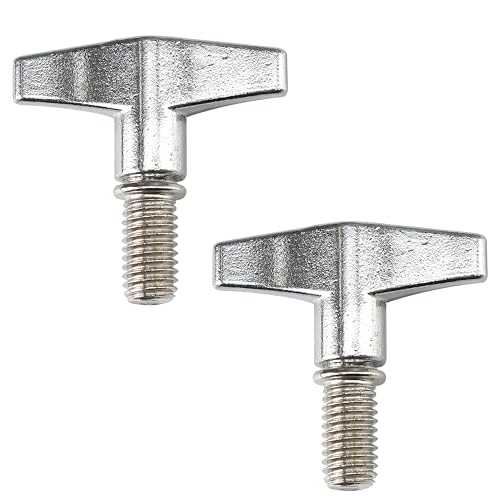
High Quality Material: The drum screw is made of high-quality iron material, high hardness durable
Exploring Different Rhythmic Styles
Although mastering the Train Beat is essential for any country drummer, the genre’s richness lies in its diverse rhythmic styles. Variations, such as incorporating different sticking patterns, enhance flow, allowing drummers to match the bass guitar’s rhythm for a cohesive sound. The Classic Shuffle groove, found in songs like “Under Your Spell Again,” adds snare hits that create complexity and adaptability across various tempos. Additionally, country waltzes, exemplified by “Tennessee Waltz,” showcase a slow, flowing groove that benefits from embellishments like hi-hat notes and ghost notes on the snare. Mastering these rhythmic styles enriches a drummer’s vocabulary, promoting emotional expression within the country music genre, ultimately making their performances more engaging and impactful. Using drum practice kits with high-density silicone pads can help drummers develop the realistic stick rebound needed to perfect these patterns.
Recommended Products

PRACTICE ANYTIME, ANYWHERE - GLEAM Drum Practice Pad provides the best practice substitute to acoustic drums, so you can practice rudiments, paradiddles or just drum along to that song on the radio – without disturbing anyone. Portable and quiet, it works on any surface including carpet, table, lap or inside a standard snare basket.

Noiseless :Afraid to bother your neighbors when you practice playing the drum.Eastrock Drum Practice Pad will be a perfect solution! It won't make too much noise, but you can clearly hear the sound when you are practicing. So you can use this product anytime, anywhere without being heard by others

Anywhere Stick, Zero Residue: Unique sticky back securely attaches to desks, walls, even rocks for practice anywhere, and removes cleanly
Enhancing Production With Modern Loops
Incorporating modern loops into country music productions offers an innovative approach to enhancing traditional rhythms. The Modern Country Drum Loops & Drum Samples package boasts an impressive 1,800 drum loops across 24 song sets, providing producers with a vast array of options. With tempos ranging from 60 to 145 BPM, these loops accommodate different song styles, from classic ballads to contemporary pop/rock influences. The collection features 11 distinct snares, including unique side-stick variations, allowing for creative tonal depth. Furthermore, it includes over 250 megabytes of multi-velocity snare hits, ensuring high-quality audio at 44.1K and 24-BIT formats. As royalty-free resources, these loops enable seamless integration into projects, supporting compliance and inspiring musical innovation. Selecting materials with sound production quality in mind is crucial for achieving the authentic tonal characteristics desired in modern country music.
Recommended Products

Stereo Looper Pedal with Dual Footswitch Control: This stereo looper pedal features dual footswitches for intuitive control of record, overdub, play, stop, undo/redo, and...
Frequently Asked Questions
What Is the 80/20 Rule in Drumming?
The 80/20 rule indicates that 80% of drumming progress stems from 20% of drumming techniques. By honing essential rudiments, drummers can maximize practice efficiency, leading to notable advancements in skills and overall performance quality.
How to Make a Country Drum Beat?
To create a country drum beat, one should apply various drum techniques, starting with a steady groove, adding embellishments with sticking patterns, and utilizing brushes for a smoother sound, capturing the essence of the genre.
What Is a Country Train Beat?
A country train beat features a steady eighth-note rhythm that simulates the movement of a train. It typically employs train terminology in its structure, offering drummers a foundational groove rich with rhythmic possibilities.
How to Play a Train Beat on Drums?
To play a train beat on drums, one must establish steady eighth-note hi-hat rhythms, syncing bass drum hits to mimic train rhythms. For instance, a drummer could employ this technique during a lively jam session.