As an Amazon Associate, we earn from qualifying purchases. Some links on this site are affiliate links at no extra cost to you. Our recommendations are based on thorough research and editorial judgment.

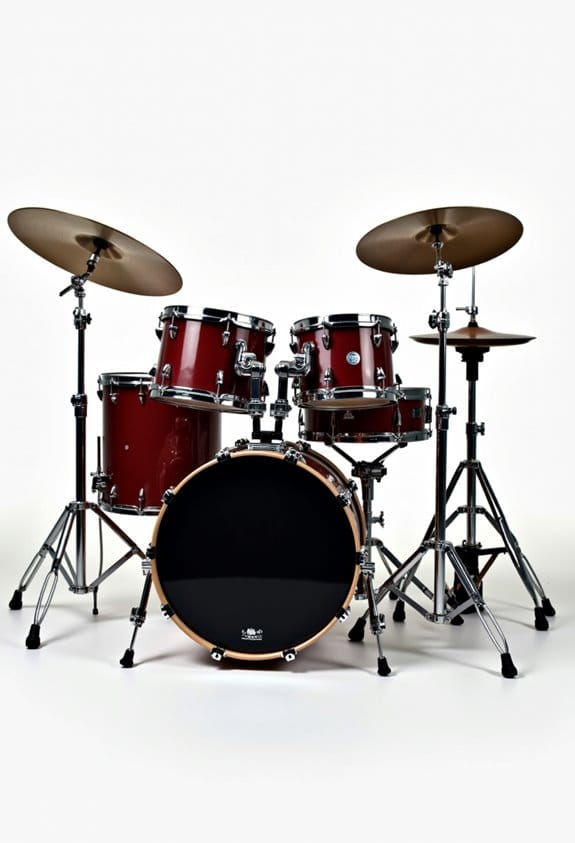
Customizing Your Kit Layout for Different Music Genres

Customizing a drum kit layout for different music genres involves aligning equipment with specific sonic needs. Jazz kits benefit from smaller toms and thinner cymbals, promoting delicate sounds. In contrast, rock kits require robust components and powerful setups to create bold sonorous energy. Optimizing instrument placement is essential, allowing for smooth shifts in performances. Considerations like customizable tension and sound selection enhance versatility. By understanding these elements, one can create unique setups tailored to various styles, enabling superior performance. Further insight awaits on the specifics of each genre.
Key Takeaways
- Consider specific genre requirements when placing drums, like smaller toms for jazz or larger bass drums for rock.
- Position instruments to enhance accessibility for performance, ensuring drummers can easily reach all components.
- Incorporate effects suitable for each genre; use reverb for jazz and distortion for rock to amplify sound.
- Utilize customizable MIDI controllers to trigger genre-appropriate sounds effortlessly and fluidly.
- Arrange backing instruments, like brass for jazz or electric guitars for rock, to support cohesive sound blending.
Understanding Genre-Specific Kit Requirements
You may be interested


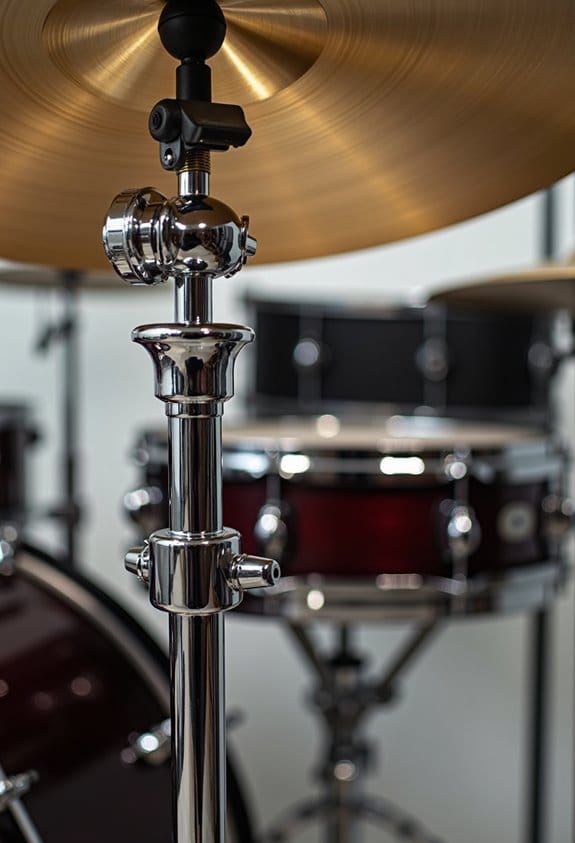
When exploring the world of music genres, it becomes evident that each style demands its own unique set of requirements for custom drum kits and electronic setups. In jazz music, for instance, the focus is on creating a softer, more nuanced sound to support intricate rhythms and improvisation. This often leads drummers to favor smaller toms, which produce a crisp tone, and brushes instead of traditional drumsticks, as brushes create a gentler, smoother attack. The careful selection of cymbals is also vital, with many jazz drummers choosing thinner, more responsive varieties for a delicate touch. Overall, understanding these genre-specific kit requirements helps musicians tailor their setups for an authentic sound that resonates with the essence of jazz music. Additionally, choosing the right hi-hat clutch is essential for achieving precise cymbal control and quick adjustments during performances.
Essential Elements for Rock Kits
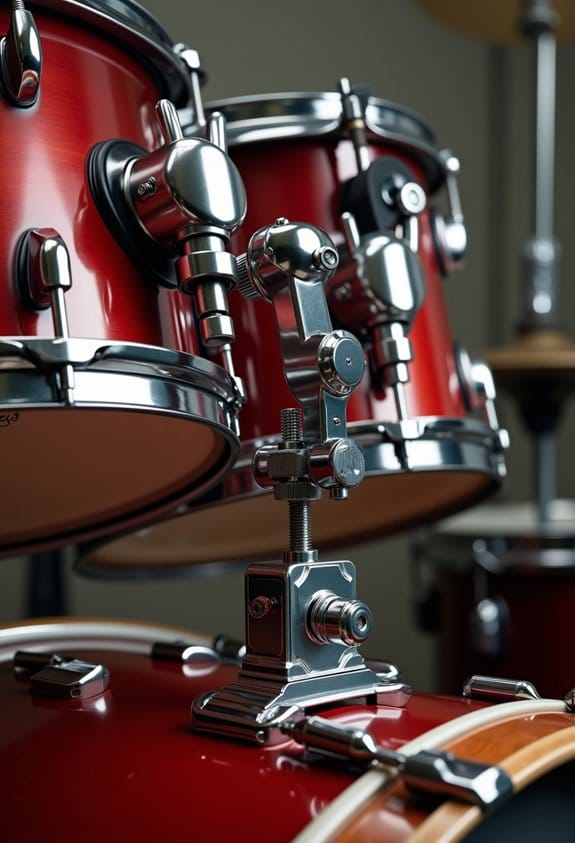
Rock music, known for its energetic and bold sound, requires a distinct approach to creating drum kits and guitar setups that can fully capture its heart and soul. Essential rock kits often feature iconic electric guitars like the Les Paul® and Telecaster®, which provide classic rock tones. A key component is the inclusion of humbucking pickups, allowing for a thicker, more powerful sound that suits various rock styles. The body shapes of these guitars are designed for easy access to upper frets, perfect for those high-energy solos and riffs. Additionally, lighter gauge strings enhance playability, enabling guitarists to perform expressive bending and vibrato techniques essential across a wide range of styles, from classic to hard rock. For drummers, selecting oak drumsticks can complement the rock sound by offering durability and a heavier feel that enhances powerful drumming techniques.
Crafting Jazz Kits for Unique Sounds
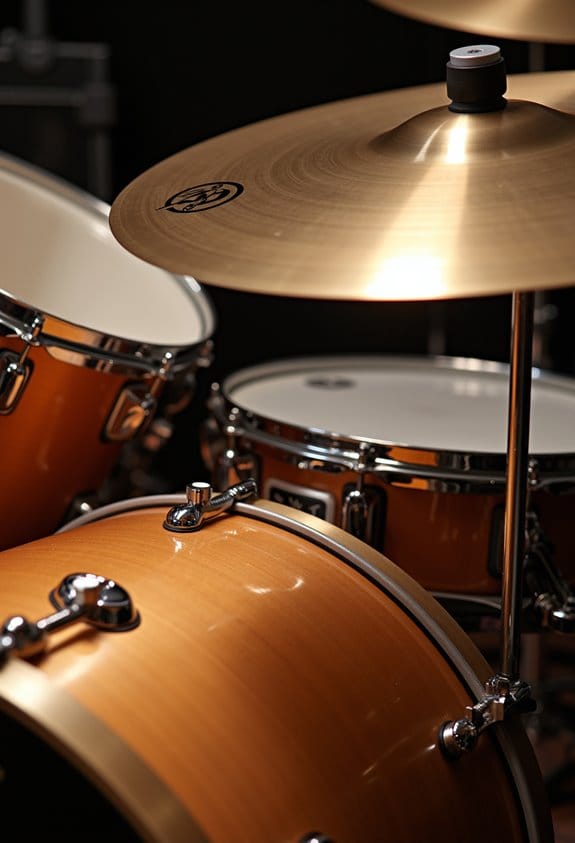
Crafting jazz kits for unique sounds involves a deep understanding of the genre’s distinct elements, which together create an inviting and rich auditory experience. Vital components include hollow-body semi-acoustic guitars that deliver warm tones through humbucking pickups, making them ideal for jazz. Incorporating a variety of instruments like saxophones, upright bass, and pianos enhances the authenticity and depth of these jazz kits. Additionally, offerings often consist of flexible backing tracks and arrangements, critical for improvisation and the complexity of jazz compositions. Rhythm sections featuring brass and woodwinds contribute to a fuller sound, while loop samples of swing rhythms and significant jazz scales serve as vital tools. Ultimately, these elements combine to produce jazz kits that resonate with the genre’s dynamic nature. Ensuring customizable tension and positioning in the drum components can further enhance the versatility of jazz kits, adapting to the player’s unique style.
Adapting Electronic Kits for Versatility
Adapting electronic kits for versatility requires a thoughtful approach to sound selection and arrangement, which can greatly enhance a musician’s creative process. By incorporating a variety of sound samples and loops, musicians can achieve genre-specific adaptability, making it easier to navigate the electric landscapes of EDM, techno, and house. Utilizing powerful digital audio workstations (DAWs) allows for quick adjustments, ensuring that each kit aligns with unique genre demands. Integrating customizable MIDI controllers further streamlines workflow, enabling performers to trigger diverse sounds effortlessly. Additionally, layering sources like synths and field recordings adds rich textural depth. Regularly updating sound libraries with relevant, genre-specific packs keeps the kits fresh. Advanced modules often support user-customizable kits and sound import, which can further refine the kit’s suitability for different genres. For inquiries on customizing, musicians can reach out via their preferred email address.
Tips for Optimizing Your Kit Layout
When musicians seek to optimize their kit layout, they can dramatically enhance their performance and production quality through deliberate organization and thoughtful sound selection. For different styles, such as rock, jazz, and country, careful consideration of instrument placement is essential. In rock, for example, integrating overdriven guitar tracks alongside accessible drum patterns can facilitate quick adjustments during performances. Meanwhile, a jazz layout demands smooth changes between acoustic and electric sounds to maintain fluidity. For country music, incorporating slide guitars enhances storytelling, making vocal arrangements stand out. Additionally, including relevant effects like reverb or distortion and positioning them for easy access can further refine a musician’s workflow, ensuring they create music that resonates with their chosen genre. Utilizing dynamic capabilities like time stretching and effects within your setup can enrich the groove’s texture and adaptability across genres.
Frequently Asked Questions
Can You Customize the Music of a Music Box?
Indeed, music box customization empowers individuals to select melodies, akin to a painter choosing colors. This process enriches the experience, allowing for personalized tunes and aesthetics, thereby transforming each music box into a unique treasure.
How Do You Categorize Music Genres?
Genre classification involves organizing music based on distinctive characteristics such as melody, rhythm, and instrumentation. It allows for the identification of unique soundscapes while acknowledging the evolving nature of music and the emergence of subgenres.
What Is the Hardest Genre of Music to Create?
The hardest genre of music to create, according to many musicians, is progressive rock. Its genre complexity encompasses intricate arrangements, complex time signatures, and a blend of diverse styles that challenge even the most skilled composers.
How to Create Variation in Music?
To create variation in music, one should focus on dynamic composition by altering dynamics, integrating contrasting rhythms, exploring diverse instrumentation, applying key changes, and utilizing techniques like call-and-response to maintain listener engagement and evoke emotions.


