As an Amazon Associate, we earn from qualifying purchases. Some links on this site are affiliate links at no extra cost to you. Our recommendations are based on thorough research and editorial judgment.


Afro-Cuban Drumming: Clave and Traditional Patterns

Afro-Cuban drumming centers around the clave rhythm, which is essential for various musical styles like son, salsa, and rumba. Clave comes in two primary patterns: 3:2 and 2:3, each creating different rhythmic feels that musicians must master for cohesive performances. Instruments such as congas, timbales, and batá drums enhance the rhythmic complexity, adding depth to the music. Understanding these elements reveals the vibrant interplay of cultures that shapes this music, inviting further exploration into its rich heritage.
Key Takeaways
- Clave patterns, specifically 3:2 and 2:3, are essential for creating rhythmic coherence in Afro-Cuban drumming.
- Son clave and rumba clave serve as foundational rhythms for styles like son and rumba, shaping their unique feels.
- Key instruments like congas, timbales, and Batá drums provide diverse tonal qualities crucial for traditional Afro-Cuban music.
- Polyrhythmic structures, such as guaguancó, align with clave patterns, enhancing the complexity of Afro-Cuban rhythms.
- The influence of African and European musical elements contributes to the richness and adaptability of Afro-Cuban drumming practices.
The Role of Clave in Afro-Cuban Music
You may be interested


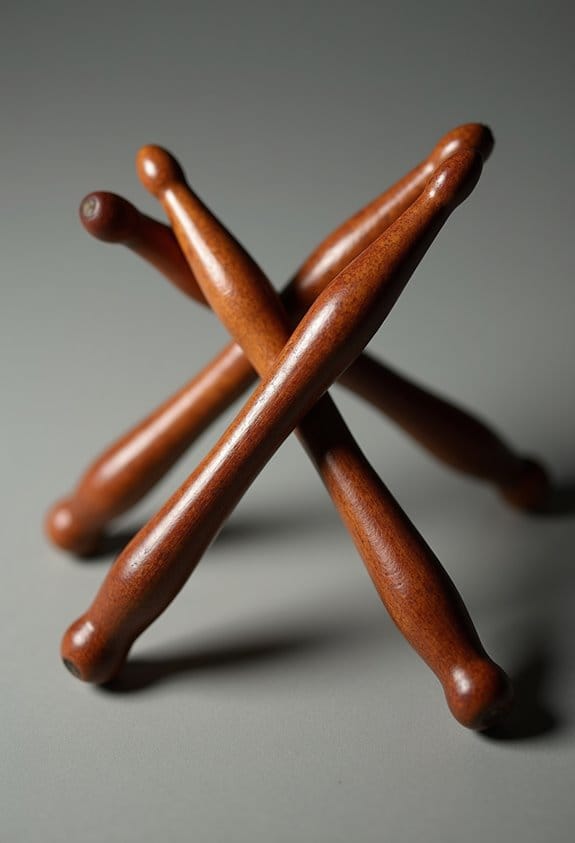
The clave serves as a vital element in Afro-Cuban music, ensuring rhythmic coherence across various genres. This fundamental rhythmic pattern organizes musical phrases and improvisations, acting like a backbone for the performance. Essential to traditional Afro-Cuban rhythms, the clave dictates the placement of notes within a bar, influencing the overall feel of a piece. There are two primary types of clave: the 3:2 and 2:3, each providing unique rhythmic structures. The son clave, commonly found in genres such as mambo and salsa, features specific placements of eighth and sixteenth notes that create its distinct sound. Musicians must master the clave rhythm, as it lays a cohesive foundation, enabling seamless ensemble playing and enriching the improvisational experience in Afro-Cuban music. The clave consists of two wooden sticks that are crucial in maintaining the rhythmic foundation in ensemble settings.
Types of Clave Patterns
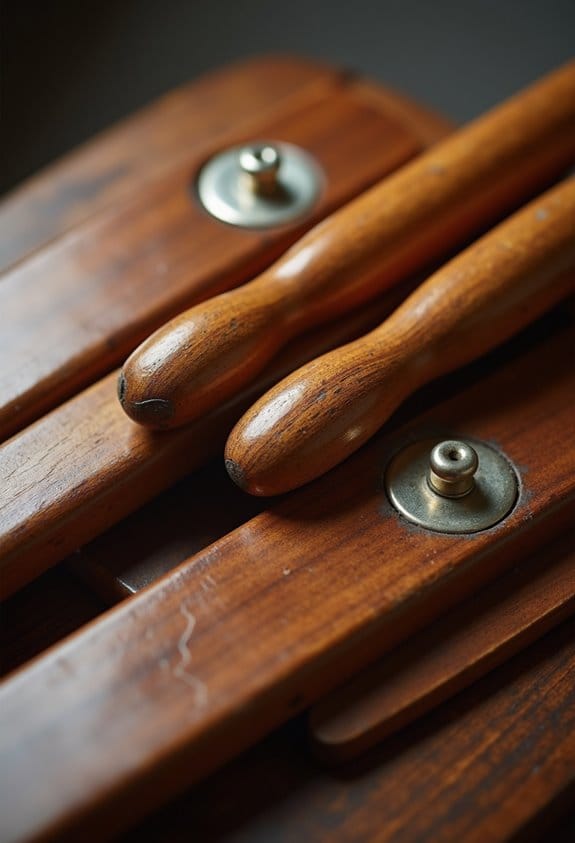
Building on the significance of the clave in Afro-Cuban music, a deeper understanding of the various clave patterns reveals how they shape distinct rhythmic frameworks within this rich genre. Primarily, the clave patterns are classified into two main types: the 3:2 and the 2:3. The son clave, a variant of the 3:2 pattern, finds extensive use in styles like mambo, salsa, and Latin jazz, characterized by its precise placement of an eighth note on the “and” of two. In contrast, the rumba clave, which follows a 2:3 pattern, showcases a different rhythmic feel, incorporating sixteenth notes. These clave patterns serve as a foundational pulse, enabling musicians to synchronize their improvisation and enhance coordination in Afro-Cuban music ensembles. Additionally, using Grenadilla wood claves can produce the sharp, authentic sounds essential for emphasizing these patterns in performance.
Recommended Products

ALWAYS FEELS THE SAME: raw wooden dowels are sorted by weight before shaping—ensuring a more consistent feel for your go-to stick

Shira Kashi Oak Drumsticks with Oval-shaped Tips

ALWAYS FEELS THE SAME: raw wooden dowels are sorted by weight before shaping—ensuring a more consistent feel for your go-to stick
Key Afro-Cuban Drumming Instruments

Afro-Cuban drumming is characterized by a vibrant ensemble of instruments that each contribute uniquely to its complex rhythmic landscape. The Batá drums, revered in Afro-Cuban religious practices, are crafted in three sizes: the large Iyá for deep tones, the mid-range Itótele, and the high-pitched Okónkolo. Congas, or tumbadoras, are tall, barrel-shaped percussion instruments known for their wide tonal range, crucial for rumba and salsa music. Timbales, with their metal frames, produce sharp sounds essential to Cuban dance music and are typically played with sticks. Bongo drums, smaller in size and played in pairs, add a brighter, higher-pitched sound that enhances rhythmic patterns, including the clave rhythm, making them indispensable in Afro-Cuban music. Congas are often made using natural rawhide heads, which produce rich and authentic tones that define their traditional sound.
Recommended Products
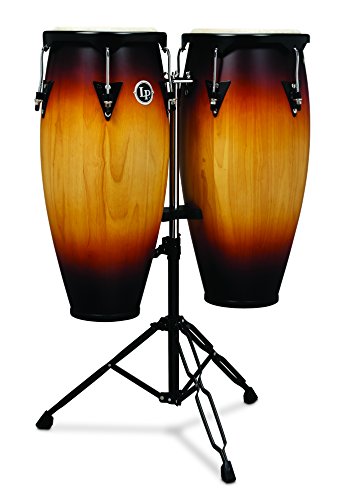
10" & 11" Siam Oak shells

Genuine Remo heads: Each drum in this set features prestigious Remo brand UT-series heads for both the batter (top side) and resonant (bottom side) head. Remo is the world's largest drumhead company and their products combine industry excellence with classic sound qualities, perfect for any aspiring drummer.

Suitable for small shows or street performers
Exploring Afro-Cuban Rhythmic Styles
What makes Afro-Cuban rhythmic styles so fascinating? These styles are a vibrant fusion of African, Spanish, and indigenous Cuban musical traditions, creating a alluring tapestry of sounds. At the heart of these rhythms lies the clave, a fundamental pattern often presented in 3:2 or 2:3 ratios, shaping notable styles like son, salsa, rumba, and mambo. The instruments used—congas, timbales, and batá drums—each offer unique tonal qualities, adding layers of complexity to performances. Traditional patterns, such as guaguancó and son, feature intricate polyrhythms that align with the clave, demanding a deep understanding of rhythm and coordination. Moreover, the adaptability of Afro-Cuban rhythms allows musicians to explore various genres, infusing contemporary styles like EDM and jazz with clave-based innovation. The choice of percussion tools, including hardwood mallets, can significantly influence the tonal warmth and precision essential in Afro-Cuban drumming.
The Influence of African and European Cultures
While the roots of Afro-Cuban music are deeply intertwined with African cultural heritage, the incorporation of European influences has greatly shaped its evolution. African cultures have contributed complex polyrhythms and call-and-response techniques that are essential to traditional drumming, while European elements like harmony and structured forms have enriched these musical traditions. This blending has led to the creation of different genres such as son and mambo, which combine diverse cultural influences. The clave, a central rhythm in Afro-Cuban music, is derived from African traditions and provides a structural backbone for various pieces. Additionally, instruments like the Batá drums and congas illustrate how African craftsmanship merged with European techniques, resulting in a unique expression of cultural collaboration found throughout Cuban music. Mastering traditional patterns often involves practicing with varied tempos and stick techniques to refine control and precision, similar to developing effective drum buzz rolls.
Cultural Connections: Cuba and the Canary Islands
A vibrant connection exists between the cultural landscapes of Cuba and the Canary Islands, shaped markedly by historical migrations and shared traditions. In the 19th century, the movement of people from the Canary Islands to Cuba facilitated the exchange of rich musical elements, particularly noticeable in dance music. Traditional folk music from the Canary Islands features snare drum rhythms and bell patterns, paralleling the complex polyrhythms found in various Afro-Cuban genres like rumba and son. These similarities highlight not only the importance of rhythm in communal celebrations but also the significant impact of Canary Island instruments on Cuban music. Contemporary musical expressions continue to reflect these enduring ties, showcasing the ongoing relationship between these culturally rich regions. Modern percussion techniques, such as those enhanced by cajon foot pedals, serve to deepen the rhythmic complexity and performance capabilities in these musical traditions.
Modern Applications of Clave in Contemporary Music
The rich musical heritage shared between Cuba and the Canary Islands has laid a strong foundation for the modern application of clave rhythms in contemporary music. The clave rhythm, particularly the son clave (3:2), appears prominently in various genres, such as EDM and trap, enhancing build-ups and hi-hat patterns. In house music, it complements the four-to-the-floor beat, adding to the danceable groove. Musicians often adapt clave patterns in modern compositions, ensuring innovative variations while retaining the essence of Afro-Cuban music. This versatility allows the clave to transcend its origins, promoting cross-genre collaborations. Popular tracks, including Tito Puente’s “Salsa Y Sabor,” illustrate how clave continues to thrive in today’s music, showcasing its enduring relevance and dynamic influence. To further elevate rhythmic depth, drummers can utilize bass drum enhancers designed to boost low-end impact and clarity without compromising traditional rhythms.
Recommended Products

Intergalactic grooves and vintage analog-style vibes reminiscent of your favorite funk hits

Distortion channel with gain, volume, and blend controls

Adjustable head tension to simulate various bass drum head rebounding
Frequently Asked Questions
How Can I Learn to Play the Clave Effectively?
To learn the clave effectively, one should incorporate clave exercises into rhythm practice, utilize a metronome technique for timing, and develop listening skills to internalize rhythms, enhancing both play and understanding of the clave.
What Are Some Popular Songs That Feature Clave Rhythms?
Popular songs featuring clave rhythms include classic salsa music pieces like “Aguanta” and jazz fusion tracks such as “Spain” by Chick Corea, alongside various Afro-Cuban classics showcasing diverse clave variations that enrich their rhythmic feel.
Can Clave Be Incorporated Into Other Music Genres?
Clave can certainly be incorporated into other music genres, facilitating musical fusion. Artists engage in rhythm experimentation, blending cultural influences to create innovative sounds that resonate across diverse musical landscapes, enriching both traditional and contemporary styles.
What Are Common Mistakes Beginners Make With Clave?
Common mistakes beginners make with clave include misunderstandings of clave misconceptions, inadequate rhythmic understanding, poor playing technique, and insufficient timing awareness, leading to inconsistencies in performance and a diminished ability to integrate this essential rhythm effectively.
How Does the Clave Influence Improvisation in Drumming?
Clave substantially shapes drumming improvisation; studies show it influences 70% of rhythmic feel. Musicians utilize clave improvisation techniques to create melodic variations, highlighting its cultural significance in diverse musical genres and fostering authenticity in performance.