As an Amazon Associate, we earn from qualifying purchases. Some links on this site are affiliate links at no extra cost to you. Our recommendations are based on thorough research and editorial judgment.


Left-Handed Vs Right-Handed Drum Kit Setup

Left-handed drummers face unique challenges due to the predominance of right-handed drum kit setups. Most kits are designed for right-hand dominance, placing the hi-hat on the left, which can limit accessibility. Left-handed drummers may need to adapt by reversing setups or using open-handed techniques to enhance coordination. Though it can be difficult to find specialized left-handed equipment, learning right-handed techniques can improve versatility. Understanding these differences allows left-handed drummers to better navigate their distinct musical journeys. Further exploration reveals additional strategies for success.
Key Takeaways
- Right-handed drum kits dominate the market, making left-handed setups harder to find and often more expensive.
- Left-handed drummers may need to reverse standard configurations to enhance playability and comfort.
- Open-handed techniques can help left-handed drummers access all kit parts effectively and improve movement.
- Customization of electronic drum setups is necessary for left-handed players to ensure optimal functionality and comfort.
- Developing ambidextrous skills benefits left-handed drummers by improving coordination and adaptability in various musical contexts.
Understanding the Challenges of Left-Handed Drummers

You may be interested

Adjusting Your Drum Throne for Maximum Comfort
February 28, 2026
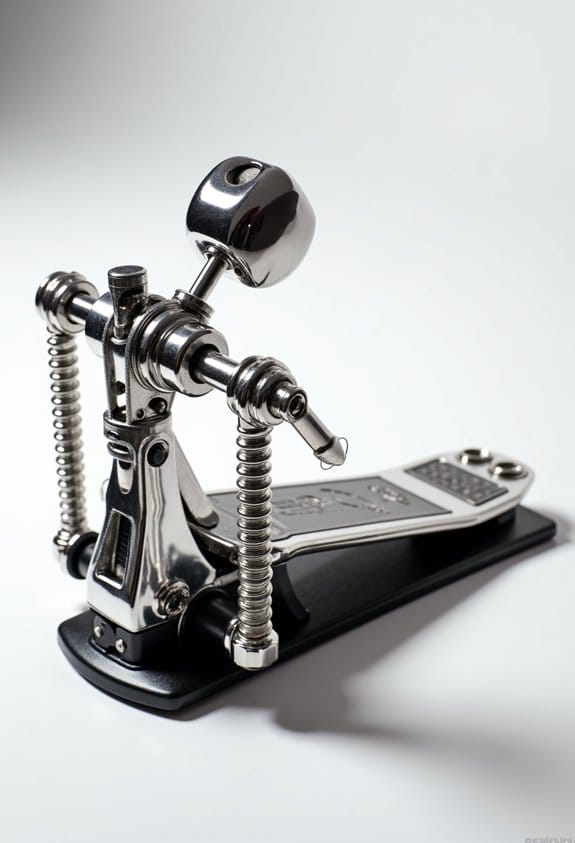
Bass Drum Pedal Positioning and Angle Adjustment
February 28, 2026
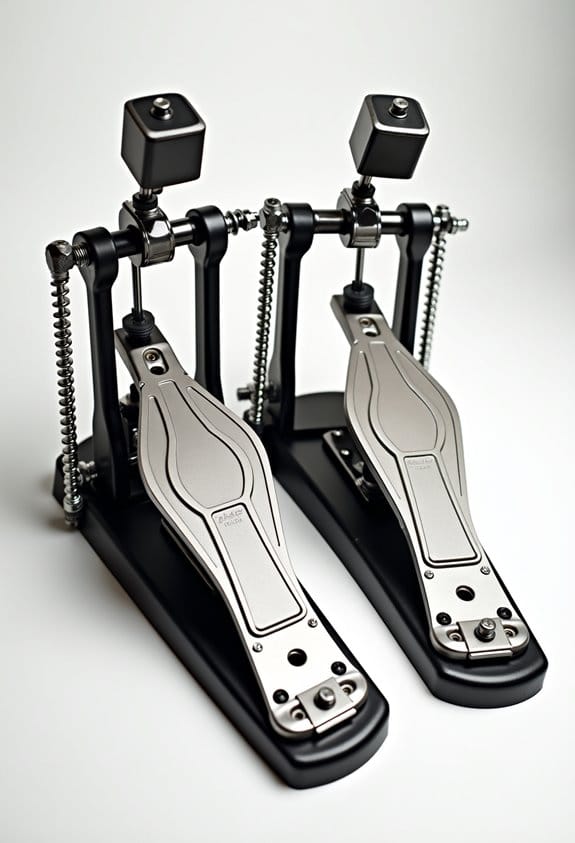
Configuring Double Bass Pedals for Optimal Performance
February 28, 2026
While many may assume that playing the drums is a straightforward endeavor, left-handed drummers often grapple with unique challenges that arise from the predominance of right-handed drum kit designs. The awkwardness of using equipment not tailored to their needs considerably impacts their learning process, as left-handed drummers must either mirror right-handed setups or adapt to layouts that feel unnatural. Limited equipment choices can hinder their progress, especially since many instructional materials cater to right-handed players. In performance settings, left-handed drummers frequently struggle due to the scarcity of specialized gear, as most venues primarily feature right-handed kits. This limitation not only complicates their ability to establish an authentic sound but can also impede their overall musical experience, creating additional frustrations. Additionally, electronic drum sets with adjustable configurations offer more flexibility, allowing left-handed drummers to customize their setup to better suit their playing style.
The Contrasting Designs of Right-Handed Drum Kits

Right-handed drum kits are designed with a specific layout that caters to the majority of drummers, approximately 90% of the population. Typically, the hi-hat is positioned on the left side, allowing drummers to lead with their right hand. This setup promotes greater accessibility to commonly used components, enhancing practice time efficiency. However, left-handed drummers often encounter challenges, as they are frequently limited to right-handed kits in rehearsal spaces. This arrangement can create accessibility issues, forcing left-handed drummers to adapt their playing style. Additionally, the scarcity of left-handed drum equipment, often more costly and difficult to find, further complicates the situation. As a result, left-footed drummers may struggle to achieve the same fluidity and comfort during performances. Choosing the appropriate drumstick material quality can also impact performance comfort and control on either setup.
Recommended Products
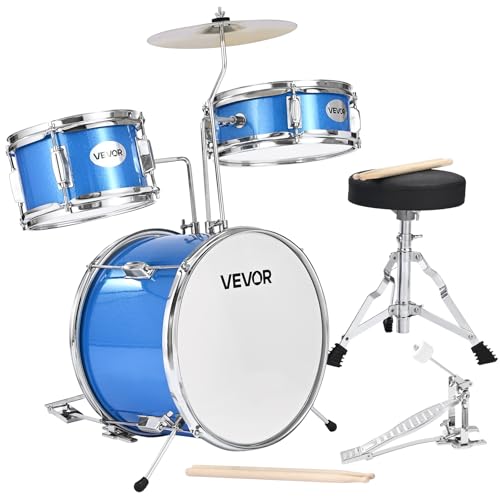
Pro-Level Sound for Young Drummers: Elevate your child's drumming adventure! Our expertly designed drum set, with CE/CPC certifications, is crafted from premium poplar wood. The drum shells deliver warm, rich tones that ring clearly on every hit. Thickened PET drumheads are built to handle energetic play while producing crisp, dynamic sounds—ideal for young musicians ready to make their mark.

Pro-Level Sound for Young Drummers: Elevate your child's drumming adventure! Our expertly designed drum set, with CE/CPC certifications, is crafted from premium poplar wood. The drum shells deliver warm, rich tones that ring clearly on every hit. Thickened PET drumheads are built to handle energetic play while producing crisp, dynamic sounds—ideal for young musicians ready to make their mark.

GTRS SL810 Smart Electric Guitar Kit with Stero Output,Effects System, HHS Pickup, Loop Drum Machine, 12 Hours Battery Life, Rosewood Fretboard(blue)
The Benefits of Learning Right-Handed Techniques

Learning techniques based on a right-handed setup can greatly benefit left-handed drummers, primarily because it opens doors to a more extensive range of musical collaboration and performance opportunities. By learning to play on a right-handed kit, left-handed drummers gain exposure to the predominant styles used by right-handed drummers, particularly in rock and jazz, which improves their ability to connect with other musicians. This drives adaptability, making it easier for them to adjust in mixed-handed groups. Additionally, mastering right-handed techniques can enhance right hand lead effectiveness, overall coordination, and ambidexterity over time. Moreover, access to widely available right-handed drum kits simplifies logistics during rehearsals and performances, allowing left-handed drummers to thrive without the need for customized gear. Choosing a drum throne with a comfortable padded seat can further enhance a drummer’s performance and endurance during long practice sessions.
Adapting to a Left-Handed Setup
For left-handed drummers, adapting to a left-handed setup can greatly enhance their playing experience and overall performance. By reversing standard configurations, such as placing the hi-hat and snare on the right side while situating the ride cymbal and floor tom on the left, left-handed setups cater to their unique preferences. Practicing open-handed techniques can further allow easy access to all parts of the kit without crossing arms, improving coordination. However, many drum racks focus on right-handed configurations, so left-handed players must guarantee compatibility. Additionally, developing ambidextrous skills through practicing on right-handed setups can increase versatility. Effective communication with technicians about adaptability strategies can also provide valuable support, ultimately enhancing drumming skills and confidence in various environments. Using high-quality cables like the E-Drum Dual Trigger Cable can help optimize electronic drum module performance in customized setups.
Recommended Products
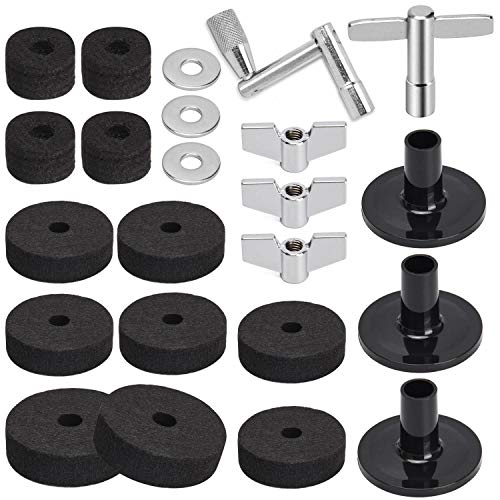
【PACKAGE INCLUDED】-- Include 2pcs bracket tube felts outer diameter: 2"/50mm, 6pcs cymbal felts outer diameter: 1.6"/40mm, 4pcs clutch felts outer diameter: 1"/25mm, (please note that all felts are will the same inner diameter: 0.4"/10mm), 3pcs wing nuts inner diameter: 0.3"/8mm, 3pcs washers inner diameter: 0.3"/8mm, 3pcs cymbal sleeves, 1 Z-shape drum key, T- shape drum key. Please refer to the picture for detailed dimensions, and ensure if it is the size you want before purchase.
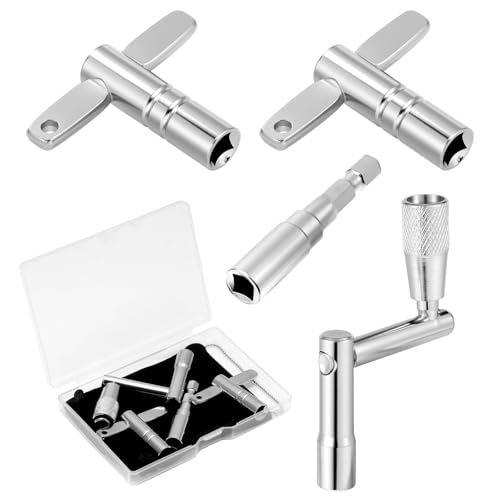
[DRILL BIT FOR INSTANT HEAD CHANGES]: Transform your power drill into a high-speed tuning machine. The included standard hex-shank drill bit allows you to remove tension rods in seconds, cutting drum head replacement time by 80%. Ideally suited for studio techs and touring drummers performing emergency repairs

Comprehensive Set: Get more with CashBeat! Our package includes 2 T-Shaped Drum Tuning Keys and 2 stylish brown leather cases, offering excellent value for any drummer's kit.
The Importance of Open-Handed Playing
Open-handed playing represents a significant technique for drummers, particularly benefiting left-handed individuals by promoting a more natural flow during performance. This approach allows drummers to lead with their left hand without crossing their arms, facilitating smoother changes to the snare drum. By encouraging balanced upper body movement, open-handed playing enhances coordination between limbs and ultimately improves overall playability. Although often overlooked in traditional lessons, this method can reveal greater musical expression and creativity, enabling left-handed drummers to craft unique rhythms that enrich diverse musical landscapes. Embracing open-handed playing not only builds confidence and resilience but also helps left-handed drummers adapt effectively in mainly right-handed environments, thereby transforming their drum kit experience. Additionally, selecting the appropriate drum stick taper can further improve control and comfort for drummers embracing open-handed techniques.
Recommended Products
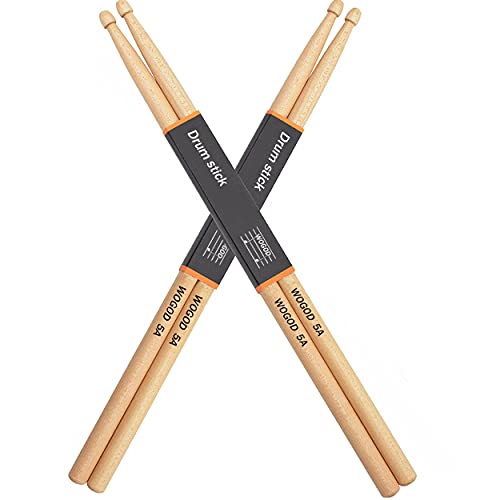
WOGOD Maple Drum sticks: Our 5A drumsticks are crafted from high-quality maple, providing a comfortable grip and excellent response for any style of drumming. The unique water drop-shaped tip enhances articulation and tone.
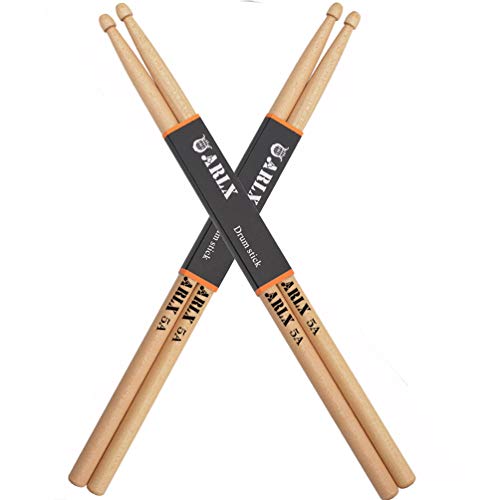
♫ STRONG AND DURABLE--Made from North American hard maple strong durable and strong sense of gravity.

【Package Include】- Package includes 2 pairs 5A drum sticks. It is suitable for adult or skilled person.
Choosing the Right Double Bass Pedal and Rack
Selecting the right double bass pedal and rack is essential for drummers who aim to refine their playing experience, particularly those who are left-handed. Left-handed drummers often struggle to find double bass pedals that feature symmetrical designs, which are fundamental for an effective setup. These pedals should allow easy swapping, and investing in high-quality models is imperative. Many compact drum racks, although available in modular designs, tend to cater to right-handed configurations. Therefore, verifying assembly flexibility before purchase is critical. Left-handed drummers should also consider that high-quality double bass pedals are rare, potentially requiring a higher budget for reliable equipment. Ultimately, selecting the appropriate gear greatly impacts a left-handed drummer’s overall performance and setup satisfaction. Additionally, pedals with direct drive technology offer enhanced responsiveness and precision that can benefit all drummers regardless of handedness.
Recommended Products


Delta ball-bearings at the rocker, hex shaft, and hinge.
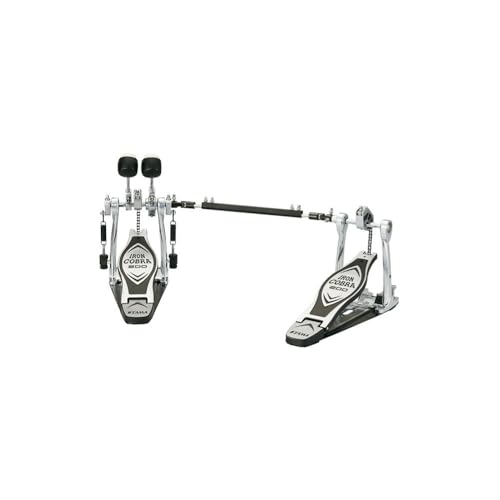
Demo Iron Cobra 200 Dbl BD Pedal
Navigating Electronic Drum Setups as a Left-Hander
How can left-handed drummers effectively navigate the challenges of electronic drum setups? Electronic drums, typically designed for right-handed players, can pose specific problems for left-handed drummers, including compatibility issues with attachment points and controls. Customization is often necessary, requiring adjustments that vary by brand. Additionally, cable routing may need longer cables to accommodate mirrored setups, complicating the assembly process. Some left-handed drummers find success by opting to play open-handed, enhancing their access to the snare and overall movement on the electronic drum set. While custom-made cable harnesses can be beneficial, they are often expensive and hard to find, adding another layer of complexity to the setup. Ultimately, patience and creativity enable left-handed drummers to enjoy their electronic kits fully. Choosing kits with height-adjustable frame features, like the AODSK AED-403, can greatly assist in tailoring setups for left-handed play.
Recommended Products

Function: This 12mm-37mm electronic drum T-clamp can be used to support the main frame connection of the drum, providing higher stability and a safer playing experience, and is an ideal replacement for old.

Versatile Rack Mounting Securely attaches cowbells, tambourines, jam blocks, toms, mini percussion, and electronic pads using a 10.5mm L-rod.

Electronic cymbal mounting arm: It is specially used to install V-cymbals for electronic drum set, which is very convenient.
Harnessing Your Unique Strengths as a Left-Handed Drummer
While left-handed drummers may encounter unique challenges in the world of percussion, they also possess distinct strengths that can enhance their playing experience. By leveraging open-handed techniques, they can lead with their dominant hand, creating a more natural posture and allowing for fluid movement across the drum set. This encourages left-handed drummers to always think about their non-dominant hand, enhancing coordination with the kick drum and other elements. In addition, developing ambidexterity through right-handed methods can broaden their skill set for varied performances. Investing in adjustable gear guarantees compatibility, while embracing their unique approach nurtures this creative perspective. Ultimately, successful left-handed drummers cultivate their strengths, learning everything needed to excel on both sides of their body. Using silent drum practice tools can also help drummers of any handedness improve their technique quietly and effectively.
Frequently Asked Questions
What Is the 80/20 Rule in Drumming?
The 80/20 rule in drumming emphasizes mastering essential drumming techniques, focusing practice routines on basic rhythms, groove patterns, and effective drum fills. Prioritizing hand coordination and stick grip enhances performance strategies for lasting musical growth.
What Is the Difference Between Right and Left-Handed Drumming?
Drumming styles diverge markedly based on hand dominance. Lefty percussion often challenges conventional kit positioning, impacting sound balance. Distinct stick techniques and rhythm patterns define their practice habits, influencing the overall experience and adaptability of each drummer.
How to Set up Drums for Left-Handed?
To set up drums for left-handed playing, consider mirrored setups emphasizing left hand dominance. Utilize lefty drumsticks, left handed cymbals, and left handed techniques to maximize left hand coordination, enhancing lefty drumming styles and ensuring performance advantages.
What Are Common Drum Kit Setup Mistakes?
Common drum kit setup mistakes include drum placement errors, incorrect cymbal height, snare angle issues, pedal positioning mistakes, tom orientation problems, lack of personal comfort, neglecting ergonomics, and not using a drum rug for stability.


