As an Amazon Associate, we earn from qualifying purchases. Some links on this site are affiliate links at no extra cost to you. Our recommendations are based on thorough research and editorial judgment.


How Double Bass Drum Pedals Work Mechanically

Double bass drum pedals consist of key components like the footboard, cam, beater, and spring system, which work together to convert foot movements into precise strikes on the drumhead. The footboard engages the beater through the cam, which translates motion into power or speed. The beater’s material determines sound quality, while spring tension affects responsiveness. Different adjustability options allow drummers to tailor their setup for peak performance. There’s much more to discover about these fascinating devices.
Key Takeaways
- Double bass drum pedals convert foot movement into beater strikes through a system of footboards, cams, and springs working in unison.
- The cam design influences acceleration and distance traveled by the beater, enhancing speed or power based on player preference.
- Adjustable footboards and beater angles allow players to customize their setup for optimal comfort and performance.
- Spring tension is critical, as it determines the return speed of the beater, affecting power and expression during play.
- Regular maintenance, including cleaning and lubrication, is essential for ensuring smooth operation and extending the lifespan of the pedal components.
Understanding the Basic Components

You may be interested
7 Best Drum Independence Exercises for Mastering Your Rhythm
February 7, 2026
7 Best Drum Pedal Beaters That Every Drummer Should Consider
February 7, 2026
Understanding the basic components of a double bass drum pedal reveals the intricate mechanics that contribute to its performance. At its core, the beater strikes the drumhead, and it comes in various materials such as felt, rubber, or wood, each producing distinct sounds. The cam, connecting the footboard to the pedal drive, directly impacts the smoothness and responsiveness of pedal action. The footboard serves as the platform for the drummer’s foot, varying in length, which can affect playability and comfort. Meanwhile, the spring mechanism plays a significant role in returning the beater to its resting position, with spring tension dictating how much pressure is needed for a stroke. Finally, the rocker shaft connects essential elements, influencing overall functionality and feel. Additionally, many double pedals utilize direct drive technology to provide faster, more precise response and enhanced control.
Recommended Products
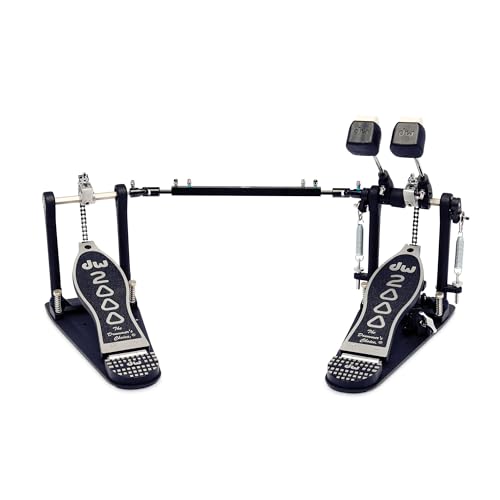
Single-Chain Accelerator Drive System

【Adjustable Bass Drum Pedals】You can adjust the spring tension and beater angle of the double pedal, to suit your playing style.2-way beaters can be used together or one on each pedal.

✅【Powerful Double Bass Drum Pedal】Our double bass drum pedal offers rhythmic capabilities that a single pedal can't match. Execute rapid double kick patterns and complex rhythms with ease, enhancing your versatility and creativity. Whether you're rocking heavy metal or exploring intricate jazz beats, this double kick pedal empowers you to elevate your skills and dynamic expression.
The Mechanism of the Footboard

The footboard serves as an essential connection between the drummer’s foot and the beater, translating downward movement into powerful strikes on the bass drum. This key component of the kick pedal varies in length and design, which can greatly affect a player’s comfort and responsiveness during play. The angle of the footboard, typically set between 20-25 degrees, plays an important role in the force exerted on the bass drum, enhancing the player’s overall performance. Proper adjustment of the footboard is critical; it guarantees the beater strikes the drumhead effectively, ideally at the center for superior sound quality. Many high-quality pedals feature adjustable footboards, enabling drummers to customize both the height and angle to suit their individual playing style and technique. Additionally, features such as adjustable beater angle found in premium pedals further refine the connection between footboard movement and beater impact.
The Role of the Cam

Cams play a pivotal role in the mechanics of double bass drum pedals, acting as the essential link that connects the footboard to the pedal drive. The design and shape of the cam greatly affect how the pedal operates, translating a drummer’s foot movements into a powerful forward stroke of the beater against the drum. Different cam configurations can prioritize speed or power, allowing drummers to customize their playing experience. The cam’s angle determines the beater’s travel distance and acceleration, influencing how quickly it strikes the drumhead. With well-designed cams, players achieve an ideal balance between the pressure required on the footboard and the beater’s return speed, enabling greater control and adaptability for various musical styles, from rock to jazz. Many pedals, such as the Pearl Eliminator, feature an interchangeable cam system that offers multiple drive options to tailor the pedal’s responsiveness precisely to the player’s style.
Functionality of the Beater
At the heart of a double bass drum pedal‘s functionality lies the beater, an important element that delivers sound by striking the drumhead. The beater can be crafted from various materials such as felt, rubber, plastic, or wood, each producing distinct tonal qualities. Key adjustments, particularly the beater angle, control the resting distance between the beater and the drum, which influences both power and speed during play. Additionally, the beater height is vital; it affects the travel distance before contact with the drum, impacting stroke power and responsiveness. For best sound quality, the beater should strike the drumhead slightly off-center, which enhances tonal richness while minimizing unwanted overtones—an important consideration for effective bass drum pedals. Furthermore, some pedals feature a dual surface beater that provides tonal versatility for varied music styles, enhancing the player’s expressive capabilities.
Importance of the Spring System
In the operation of a double bass drum pedal, the spring system plays a pivotal role in ensuring peak performance after each beater strike. This system is essential for returning the beater to its resting position, which enables drummers to execute rapid successive hits on their bass drums. The tension of the spring can be adjusted, allowing for an increase or decrease in resistance, thereby impacting the player’s speed and endurance during performances. A tighter spring enhances power for genres like rock and metal, while a looser tension permits greater expression in jazz. Additionally, the quality and design of the spring influence the overall feel of the kick pedals, empowering drummers to customize their setups based on personal playing styles and preferences. Choosing springs made from high-quality materials like stainless or carbon steel not only improves durability but also maintains consistent performance in different environments.
Recommended Products

Enhanced Power& Responsive Play:Experience a tighter, more controlled beat with improved pedal feedback. This hi tension spring for bass drum provides the perfect balance of tension and speed, giving you the power you need for a crisp, articulate kick drum sound every time

High-tension spring with felt insert

Enhanced Power& Responsive Play:Experience a tighter, more controlled beat with improved pedal feedback. This hi tension spring for bass drum provides the perfect balance of tension and speed, giving you the power you need for a crisp, articulate kick drum sound every time
Different Drive Types: Chain vs. Direct
Numerous drummers face an essential choice when selecting their double bass drum pedals: the drive type, which greatly influences their playing experience. Double bass drum pedals typically utilize either a chain drive or a direct drive mechanism. Chain drive pedals connect the footboard to the beater using a sturdy chain, offering a smooth feel and robust power transfer, and are especially popular in rock and metal genres for their durability. In contrast, direct drive pedals feature a simpler mechanism without a chain, resulting in less inertia and a snappier response. This quick response makes direct drive pedals favored by advanced drummers in styles requiring rapid footwork, such as jazz or extreme metal. Ultimately, each drive type markedly impacts a drummer’s technique and style. Additionally, adjustable spring tension in these pedals allows drummers to customize pedal feel for improved comfort and response.
Recommended Products


101 2-WAY BEATER -Two distinct playing surfaces in one perfectly balanced package.

Stronger and more stable - KINGDO double bass pedal adopts a thick double chain,and a wider bottom plate,and an overweight design,the metal pedal has a non-slip design,which is smoother and more stable.
Adjustments for Optimal Performance
Achieving superior performance with double bass drum pedals involves several adjustments that allow drummers to tailor their setup to their playing style and preferences. One key element is spring tension; altering it can markedly impact the effort required for each stroke. Tighter spring tension demands more force, while looser tension promotes quicker rebounds, aiding rapid sequences. Additionally, ideal footboard angle, typically set between 20-25 degrees, enhances the velocity of strikes, balancing comfort with power. Beater height also plays an essential role; positioning it near the drumhead’s center produces a fuller tone. Regularly experimenting with different combinations of spring tension and beater height enables drummers to personalize their bass pedals for perfect sound and performance satisfaction. Moreover, selecting the appropriate beater material and adjustability features can significantly influence stroke precision and tonal clarity.
Recommended Products

【Double-Chain Drive System】 - Double bass pedal made of dual chain and wider bottom plate,make it more strong and sturdy. Ensures long lasting durability.

Chain-drive Double-bass Drum Pedal with 2-way Beaters

HIGH-PERFORMANCE DIRECT DRIVE SYSTEM: Experience unmatched speed and precision with the Tour Class Direct Drive design. The dual cam drive translates every foot movement into a powerful, responsive stroke.
Influence of Beater Angle on Sound
The angle of the beater plays an essential role in shaping the sound produced by a double bass drum pedal, influencing both the attack and tonal quality of each stroke. A steeper beater angle, for example, can create a more powerful attack on the bass drum, enhancing the intensity of the sound. Conversely, a shallower angle typically results in a softer and smoother tone. Most drummers find an angle of 45 degrees strikes a balance between power and speed, allowing for dynamic expression without sacrificing control. Additionally, where the beater strikes the drumhead can affect sound quality; off-center hits tend to increase resonance and projection. Experimenting with beater angle is crucial for drummers, as personal style heavily influences preferred settings. Many double bass drum pedals feature adjustable beater angles, enabling players to quickly tailor their setup for optimal performance.
Maintenance for Longevity and Functionality
Maintaining a double bass drum pedal is essential for ensuring its longevity and ideal functionality, which ultimately affects a drummer’s performance. Regular cleaning of the pedal’s moving parts and beater is vital, as dirt and grime buildup can negatively impact performance. Periodic lubrication of the spring and other moving components with suitable oils minimizes friction, ensuring smooth kick operation. Inspecting the pedal for wear, particularly on the beater and cam, allows for timely replacement of worn components, maintaining peak functionality over time. Furthermore, storing the pedals in a dry environment, away from extreme temperatures, prevents rust. Finally, tightening screws and bolts routinely secures all components, greatly reducing the chances of mechanical failure during drum sessions. In addition, selecting pedals with durable materials enhances the lifespan and reliability of the equipment.
Recommended Products

Double-sided retractable, fixed system.Precision accessories, tight connection, strong stability.

Package: You receive 2 piece double sided bass drum pedal beater with versatile two-sided design

Good material: Our bass drum foot pedal tension spring cam assembly is made of high quality metal, durable and sturdy, can be used for a long time, bring long-lasting performance to your bass drum foot pedal.
Frequently Asked Questions
How Do Double Bass Drum Pedals Work?
Double bass drum pedals magically transform a drummer’s foot movements into thunderous beats, showcasing pedal mechanism designs that handle foot technique variations, dramatically impacting sound. Yet, without proper tuning, they might resemble mere clanging instead of musical artistry.
What Is the 80/20 Rule in Drumming?
The 80/20 rule in drumming emphasizes that 80% of improvement derives from 20% of effective practice techniques. Focusing on key rhythm patterns and speed exercises can lead to significant advancements in a drummer’s performance.
How Does a Bass Pedal Work?
Approximately 70% of drummers rely on bass pedals to enhance rhythm. Exploring bass pedal anatomy reveals intricate drum pedal mechanics, where foot technique transforms force into movement, allowing musicians to achieve diverse sound dynamics with precision.
How Do Drummers Play Double Bass so Fast?
Drummers achieve impressive speed through refined drumming techniques, consistent speed drills, and practiced foot coordination. Significantly, mastering rudiments and adjusting pedal tension are essential for enhancing their ability to rapidly execute double bass rhythms.


