As an Amazon Associate, we earn from qualifying purchases. Some links on this site are affiliate links at no extra cost to you. Our recommendations are based on thorough research and editorial judgment.


7 Best Drum Independence Exercises for Mastering Your Rhythm

To master your drum independence, try exercises like the 4-Way Coordination Method to develop hand and foot coordination. Explore Grooves & Variations for different rhythmic styles that enhance creativity. Immerse yourself in Advanced Hi-Hat Syncopation for complex patterns that push your skills further. Consider using The Daily Drummer for structured practice plans across genres. Remember, balance different techniques to keep practice engaging and boost your progress. Stick around to discover even more essential exercises tailored for you.
Key Takeaways
- 4-Way Coordination Method enhances limb independence through rhythmic exercises that progress from basic to advanced patterns.
- Incorporating syncopation techniques boosts rhythmic expression and flexibility across different time signatures.
- Explore diverse styles with grooves and variations to enrich your rhythmic vocabulary and develop a unique drumming voice.
- Advanced Hi-Hat Syncopation exercises push your coordination and creativity with intricate patterns for lead hand expression.
- Utilize structured resources like The Daily Drummer practice plans for comprehensive skill development in multiple genres.
| 4-Way Coordination Method for Drum Set Independence | 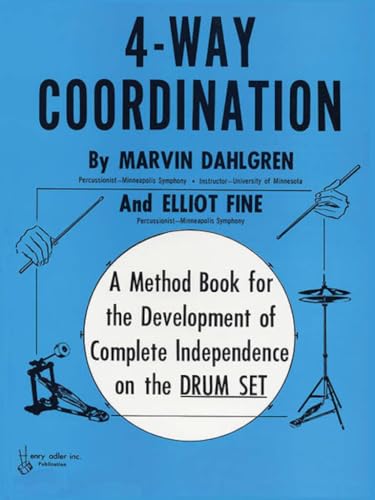 | Best for Independence | Target Audience: Students of varying skill levels | Skill Development Focus: Hand and foot coordination | Structure Format: Step-by-step exercises | VIEW LATEST PRICE | Read Our Analysis |
| Grooves & Variations for the Versatile Drummer | 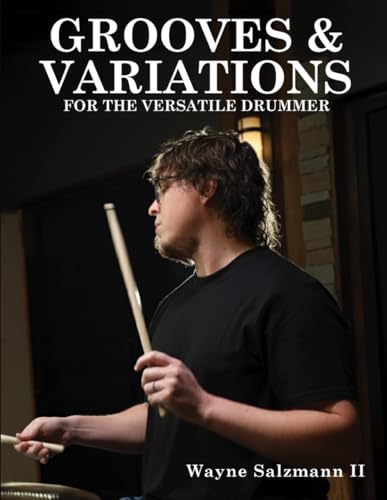 | Essential Grooves | Target Audience: Drummers of all levels | Skill Development Focus: Rhythmic vocabulary enhancement | Structure Format: Variety of grooves | VIEW LATEST PRICE | Read Our Analysis |
| Advanced Hi-Hat Syncopation: Drum Set Exercises Book 1 | 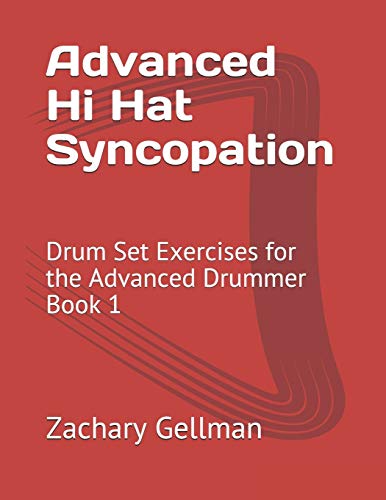 | Advanced Techniques | Target Audience: Advanced drummers | Skill Development Focus: Hi-hat coordination | Structure Format: Twelve unique patterns | VIEW LATEST PRICE | Read Our Analysis |
| The Daily Drummer: 28 Practice Plans for Drums | 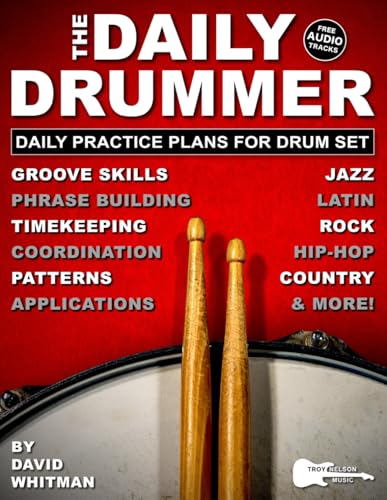 | Comprehensive Practice | Target Audience: Drummers of all skill levels | Skill Development Focus: Groove and timekeeping skills | Structure Format: Daily practice plans | VIEW LATEST PRICE | Read Our Analysis |
| Advanced Techniques for Modern Drummer: Jazz Be-Bop | 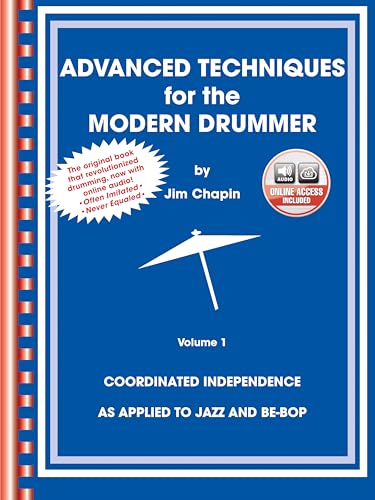 | Classic Masterpiece | Target Audience: Beginners and accomplished drummers | Skill Development Focus: Independence and power on the drum set | Structure Format: Progressive practice exercises | VIEW LATEST PRICE | Read Our Analysis |
| The Percussionist’s Blueprint for Snare Drum Skills | 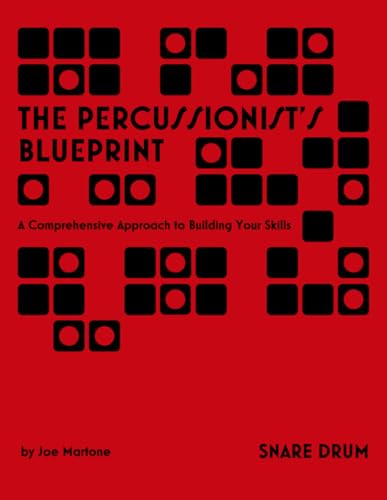 | Skill-Building Blueprint | Target Audience: Drummers of all levels | Skill Development Focus: Overall drumming skills | Structure Format: Structured exercise approach | VIEW LATEST PRICE | Read Our Analysis |
| Drum Set 365: Daily Drum Exercises for Mastery |  | Daily Discipline | Target Audience: Intermediate and advanced drummers | Skill Development Focus: Essential rhythms and grooves | Structure Format: Weekly focused exercises | VIEW LATEST PRICE | Read Our Analysis |
You may be interested

1 Best Drumline Cadence Music to Ignite Every Performance
September 6, 2024

1 Best Rock Drum Configuration
September 6, 2024
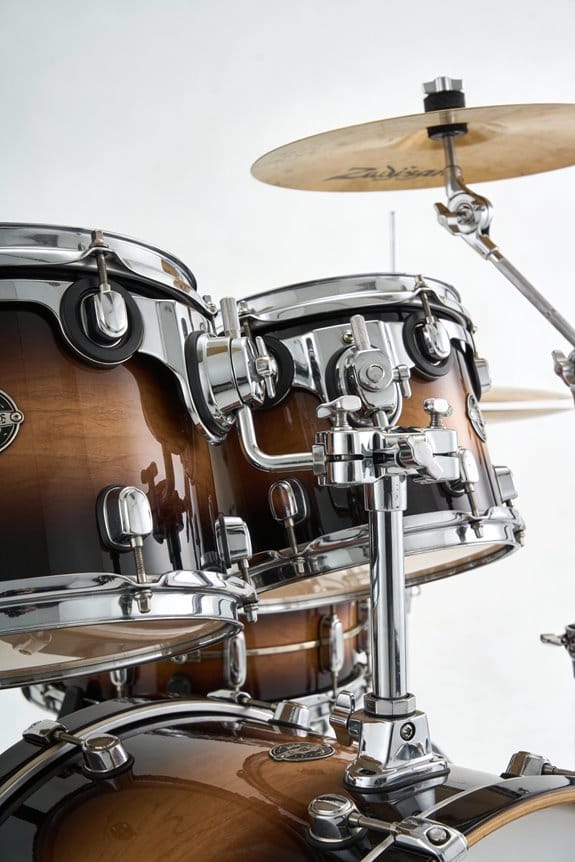
10 Best Acoustic Drum Sets That Will Rock Your Practice Room
September 6, 2024
More Details on Our Top Picks
4-Way Coordination Method for Drum Set Independence
If you’re a drummer looking to elevate your skills and truly master drum set independence, the “4-Way Coordination Method” is an essential resource for you. This method book focuses on developing complete independence of your hands and feet, which is vital for modern drumming. You’ll engage in rhythmic exercises laid out in easy-to-read notation, guiding you from basic patterns to more advanced techniques. As you dive deeper, you’ll enhance your listening skills and gain insights into different styles of drumming. By practicing polyrhythms, you’ll grasp coordination concepts that broaden your musicality, making you a more versatile drummer.
- Target Audience:Students of varying skill levels
- Skill Development Focus:Hand and foot coordination
- Structure Format:Step-by-step exercises
- Content Variety:Rhythmic exercises in notation
- Additional Learning Tools:Notation for exercises
- Author Background:Method book for drummers
- Additional Feature:Develops polyrhythmic skills
- Additional Feature:Easy-to-read rhythmic notation
- Additional Feature:Gradual skill progression
Grooves & Variations for the Versatile Drummer
For drummers looking to broaden their rhythmic horizons and master a variety of styles, “Grooves & Variations for the Versatile Drummer” is an invaluable resource. This collection features hundreds of essential grooves across popular music styles, offering you a chance to explore diverse rhythmic patterns. You’ll find grooves played by iconic drummers, providing authentic sounds that can inspire your playing. As you work through these variations, you’ll develop your unique voice and style, releasing your creativity. This experience encourages you to experiment with nuanced phrases, enhancing your overall musicality and personal growth as a drummer. Keep pushing your limits!
- Target Audience:Drummers of all levels
- Skill Development Focus:Rhythmic vocabulary enhancement
- Structure Format:Variety of grooves
- Content Variety:Hundreds of grooves and variations
- Additional Learning Tools:Authentic sounds from iconic drummers
- Author Background:Offers insights from iconic drummers
- Additional Feature:Hundreds of essential grooves
- Additional Feature:Explore diverse rhythmic patterns
- Additional Feature:Inspired by iconic drummers
Advanced Hi-Hat Syncopation: Drum Set Exercises Book 1
Advanced Hi-Hat Syncopation: Drum Set Exercises Book 1 is an invaluable resource for advanced drummers enthusiastic to take their skills to the next level, especially if you find traditional rhythmic patterns limiting. This book features five volumes filled with complex exercises designed specifically for you. You’ll discover twelve unique syncopated hi-hat patterns that push your coordination and creativity by moving beyond simple eighth notes. As you progress, these exercises will help you master intricate rock beats, allowing your lead hand to shine on the hi-hat or ride cymbal. Embrace this challenge, and enhance your rhythmic vocabulary with each practice session.
- Target Audience:Advanced drummers
- Skill Development Focus:Hi-hat coordination
- Structure Format:Twelve unique patterns
- Content Variety:Syncopated hi-hat patterns
- Additional Learning Tools:Unique hi-hat patterns
- Author Background:Author focuses on advanced drumming techniques
- Additional Feature:Twelve unique hi-hat patterns
- Additional Feature:Focus on syncopated techniques
- Additional Feature:Progressively complex rock beats
Recommended Products
The Daily Drummer: 28 Practice Plans for Drums
Drum Independence Exercises are an invaluable resource for drummers of all skill levels looking to enhance their abilities in various genres. “The Daily Drummer: 28 Practice Plans for Drums” offers you a structured way to improve your groove skills while exploring diverse styles like jazz, rock, and Latin. With over 1,000 coordination builders and phrases, you’ll develop essential skills such as timekeeping and cut-time rhythms. You can work on this material independently or with a guide, and the included free audio downloads enhance your learning. Created by seasoned percussionist David Whitman, these plans will keep your practice exciting and effective.
- Target Audience:Drummers of all skill levels
- Skill Development Focus:Groove and timekeeping skills
- Structure Format:Daily practice plans
- Content Variety:Over 1,000 coordination builders
- Additional Learning Tools:Free audio downloads
- Author Background:Authored by a renowned percussionist
- Additional Feature:Covers multiple genres
- Additional Feature:Over 1,000 coordination builders
- Additional Feature:Free audio downloads available
Recommended Products
Advanced Techniques for Modern Drummer: Jazz Be-Bop
Mastering coordinated independence on the drumset is an essential skill for any aspiring modern drummer, especially those drawn to the intricate rhythms of jazz and be-bop. Focused exercises, like those found in Jim Chapin’s book, provide frameworks to develop your sticking techniques, speed, and overall power. You’ll engage your limbs separately, enabling your hands and feet to play different rhythms simultaneously. This not only enhances your coordination but also allows you to express yourself creatively. Incorporating online audio resources can greatly enrich your practice sessions, making it easier to grasp complex patterns. Immerse yourself in these advanced techniques for a deeper jazz experience!
- Target Audience:Beginners and accomplished drummers
- Skill Development Focus:Independence and power on the drum set
- Structure Format:Progressive practice exercises
- Content Variety:Coordination applied to jazz and be-bop
- Additional Learning Tools:Online audio enhancements
- Author Background:Written by the Father of Jazz Independence
- Additional Feature:Author: Father of Jazz Independence
- Additional Feature:Online audio for learning
- Additional Feature:Classic drumming resource
The Percussionist’s Blueprint for Snare Drum Skills
For drummers enthusiastic to develop their snare drum skills, “The Percussionist’s Blueprint: A Thorough Approach to Building Your Skills: Snare Drum” serves as an invaluable guide. This resource offers a structured framework that caters to all skill levels, whether you’re just starting or looking to refine your techniques. Inside, you’ll find exercises that cover basic rhythms—a solid foundation—and venture into advanced styles, allowing you to explore various techniques. The easy-to-follow format guarantees you can practice at your own pace, helping you enhance your overall drumming ability. This blueprint truly empowers you on your journey to mastering the snare drum.
- Target Audience:Drummers of all levels
- Skill Development Focus:Overall drumming skills
- Structure Format:Structured exercise approach
- Content Variety:Basic rhythms to advanced techniques
- Additional Learning Tools:Easy-to-follow format
- Author Background:Comprehensive skill-building approach
- Additional Feature:Comprehensive skills approach
- Additional Feature:Progress at own pace
- Additional Feature:Suitable for all levels
Recommended Products
Drum Set 365: Daily Drum Exercises for Mastery
A great choice for intermediate and advanced drummers, “Drum Set 365: Daily Drum Exercises for Mastery” adopts a structured yet flexible approach that promotes consistent skill development. This book offers a one-beat-per-day format, presenting you with 52 weeks of focused exercises that cover various styles, including rock, funk, and blues. Each week’s exercises include essential rhythms and grooves tailored for quick mastery. The easy-to-follow notation and free audio downloads enhance learning, giving you a well-rounded experience. Authored by seasoned professional Dave Schoepke, this resource guarantees that you build confidence and versatility in your drumming journey.
- Target Audience:Intermediate and advanced drummers
- Skill Development Focus:Essential rhythms and grooves
- Structure Format:Weekly focused exercises
- Content Variety:Covers multiple drumming styles
- Additional Learning Tools:Free audio demonstration tracks
- Author Background:Professional musician with decades of experience
- Additional Feature:One-beat-per-day approach
- Additional Feature:Variety of drumming styles
- Additional Feature:Exercises for essential rhythms




Recommended Products


Factors to Consider When Choosing Drum Independence Exercises

When choosing drum independence exercises, you need to take into account several important factors. First, think about your skill level; selecting exercises that align with your current abilities can foster growth without causing frustration. Additionally, you’ll want to guarantee the exercises are relevant to the musical styles you enjoy, vary in complexity, offer diverse rhythms, and match your preferred learning format, so you stay engaged and motivated in your practice.
Recommended Products


Skill Level Consideration
Choosing the right drum independence exercises hinges on accurately evaluating your current skill level, which is essential for effective practice. If you’re a beginner, focus on exercises that build foundational hand and foot coordination, as these will set the stage for more advanced techniques. Intermediate drummers should tackle exercises that introduce polyrhythms and syncopation, helping you enhance coordination across your limbs. As an advanced drummer, aim for challenging exercises that push your rhythmic boundaries, promoting further skill development. Don’t forget to regularly re-evaluate your skill level; this guarantees that your practice routines remain relevant and effectively promote your growth. Adjusting your exercises keeps you engaged and continually progressing on your journey to mastering drum independence.
Musical Style Relevance
Understanding the relevance of musical style is essential for selecting drum independence exercises that truly benefit your growth as a drummer. Different styles, like jazz and rock, require unique rhythmic techniques, so focusing on genre-specific exercises helps you become more versatile. For instance, jazz often involves complex syncopation and intricate coordination, while rock sticks to straightforward grooves. By incorporating exercises that mimic the rhythms of a particular style, you’ll challenge your timing and adaptability. This practice not only refines your skills but also deepens your connection to the music you want to perform. Ultimately, mastering independence through style-related exercises can elevate your musicality, ensuring you’re ready for any genre that comes your way.
Exercise Complexity
As you explore drum independence exercises, it’s important to contemplate the complexity of each pattern, as this will greatly influence your development as a drummer. Start with simple rhythms to build your foundational skills, gradually progressing to more intricate polyrhythmic structures. This structured approach not only enhances your coordination but also strengthens your limb independence. Incorporating syncopation will boost your rhythmic expression, allowing you to navigate advanced timing and accents with ease. Additionally, exercises in various time signatures and styles challenge your adaptability, fostering creativity in your playing. Remember, a systematic approach to complexity guarantees continuous improvement, paving the way for mastering advanced techniques while keeping your practice engaging. So, take the time to find the right balance in your exercises!
Rhythm Variety Offered
When you immerse yourself in the world of drum independence exercises, considering the rhythm variety offered by different patterns can greatly enhance your drumming journey. Exploring a mix of rhythmic styles helps you develop a well-rounded sense of coordination, making it easier to adapt to various musical genres. Incorporating polyrhythms in your practice fosters independence across all limbs, essential for mastering advanced techniques. Additionally, exercises with syncopated rhythms push you beyond basic patterns, allowing you to tackle complex musical phrases. Regular practice of diverse groove styles, like jazz, rock, and Latin, enriches your rhythmic vocabulary. Finally, structured exercises that progress from simple to complex rhythms create a clear pathway for skill enhancement and overall musicality, ensuring a fulfilling drumming experience.
Learning Format Preference
Choosing the right learning format for drum independence exercises can greatly impact how you develop your skills. First, think about whether you prefer structured materials that present exercises in a step-by-step manner, allowing for gradual improvement. It’s also beneficial to explore exercises with a variety of rhythmic patterns and styles, enhancing your exposure to different genres. Make certain the notation is clear and easy to read; this guarantees you can practice effectively, no matter your skill level. You might also appreciate supplementary materials, like audio downloads, which can aid your auditory learning. Finally, consider if you want exercises suited for solo practice or those that work well in group settings, which can boost your performance confidence in diverse musical contexts.
Progress Tracking Methods
Tracking your progress in drum independence exercises is essential for accelerating your development as a drummer. Start by maintaining a practice journal where you note daily exercises, time spent, and specific skills tackled; this cultivates personal accountability. Additionally, using audio or video recordings of your sessions lets you evaluate your performance over time, helping you pinpoint areas needing improvement. Implement structured weekly or monthly reviews to gauge your proficiency, allowing adjustments to your practice schedule if necessary. Don’t underestimate the value of feedback; seek insights from instructors or peers to refine your techniques. Finally, establish measurable goals, like mastering new rhythms or increasing speed on exercises, providing clear benchmarks to track your advancement in drumming skills.
Technique Focus Areas
To enhance your drumming skills effectively, it’s vital to focus on specific technique areas that will help you develop independence and coordination. Practicing 4-way coordination exercises is significant, as it enables you to separate your hands and feet, mastering complex rhythms and polyrhythms. Incorporating syncopation techniques into your routine boosts your ability to play off-beat patterns, enhancing your rhythmic flexibility. Groove variations across different genres expand your rhythmic vocabulary, making you adaptable in various musical settings. Furthermore, detailed coordination skills, like advanced hi-hat patterns, elevate your playing beyond the basics. Finally, integrating coordination builders regularly will sharpen your listening skills, helping you connect with other musicians and enrich your overall musical experience.
Resource Accessibility
While exploring drum independence exercises, it’s essential to reflect on how accessible the resources are, since this greatly impacts your ability to practice regularly and effectively. Choose materials with easy-to-follow formats, as they help you progress at your own pace. Look for options that offer free audio downloads or streaming, which can reinforce what you learn through auditory examples. Structured approaches, like daily practice plans, provide clear roadmaps for consistent skill development. Online platforms often extend the value of books or courses with additional support, making your learning journey smoother. Finally, select resources tailored to your skill level; finding material suited for your growth is vital for maintaining motivation and advancing your drumming skills.
Frequently Asked Questions
How Long Should I Practice Independence Exercises Daily?
You should aim for 20 to 30 minutes daily on independence exercises. Think of it like training for a race; consistency builds strength over time. Start slowly, focusing on technique before speed. Break your practice into segments—ten minutes each for footwork, hand coordination, and polyrhythms. Keep track of your progress, adjusting as needed. If you stick with it, you’ll notice improvement in your overall drumming within weeks. Enjoy the journey!
Can I Use a Metronome During Independence Exercises?
Yes, you can use a metronome during independence exercises. Setting a steady tempo helps you develop your timing and coordinate your limbs effectively. Start with a slower beat that matches your skill level, gradually increasing the speed as you gain confidence. You can also try accenting different beats while maintaining the metronome, which challenges your rhythm further. This approach not only enhances your skills but also solidifies your overall sense of timing.
What Are Common Mistakes in Drum Independence Practice?
When you practice drum independence, common mistakes include neglecting proper timing, which can make your patterns feel disconnected and uneven. You might also focus too much on one limb, resulting in a lack of coordination. Additionally, practicing without a metronome can lead to poor rhythmic stability. Mistakes like rushing, or slowing down fluctuate your tempo, so be patient and focus on gradual improvement to enhance your overall drumming independence.
How Do I Measure Progress in Drum Independence?
To measure your progress in drum independence, track your ability to perform various rhythms with different limbs. Start with simple patterns, gradually increasing complexity. Utilize a metronome to guarantee you stay on beat while differing rhythms play out. Record your practice sessions, noting improvements in timing and coordination. Additionally, ask for feedback from instructors or peers to gain insights into areas that need more focus, ensuring you’re continually challenging yourself.
Are There Specific Genres for Practicing Independence Exercises?
Absolutely, there are specific genres that can enhance your independence exercises! Exploring rock, jazz, and funk allows you to practice various rhythms and syncopations. For example, drumming in jazz often requires complex patterns that challenge your coordination. Additionally, incorporating styles like Latin can help you develop your ability to play off-beat. You’ll discover that each genre presents unique rhythmic structures, making your practice not only effective but exciting too. Why not diversify your practice today?


