As an Amazon Associate, we earn from qualifying purchases. Some links on this site are affiliate links at no extra cost to you. Our recommendations are based on thorough research and editorial judgment.


Understanding Accents and Their Musical Impact

Accents in music are essential elements that enhance emotional expression and clarity. They emphasize specific notes or beats, making music more engaging for listeners. There are different categories of accents, including dynamic, tonic, and agogic, each serving a unique purpose. Important accent marks, such as staccato and tenuto, guide performers in delivering the right emotional weight. Understanding how accents function can deepen musical interpretation and audience connection. Exploring their various applications can reveal even more about their significance in music.
Key Takeaways
- Accents enhance musical expression by emphasizing specific notes or beats, creating emotional depth within performances.
- Types of accents include dynamic, tonic, and agogic, each contributing uniquely to musical interpretation across genres.
- Different genres utilize accents to shape audience perception, with classical music focusing on thematic depth and pop/rock emphasizing catchy hooks.
- In vocal performances, accents affect emotional conveyance, with singing potentially diminishing their prominence compared to speaking due to melodic phrasing.
- Mastery of accents through education and practice enhances overall musicality and fosters creativity in performance scenarios.
What Are Accents in Music?

You may be interested

How Drummers Read Lead Sheets and Charts
April 1, 2026

How to Analyze Song Structure as a Drummer
April 1, 2026

How to Count Odd Time Signatures Like 5/4 and 7/8
April 1, 2026
Accents in music serve as powerful tools that shape the character and expression of a piece. They indicate emphasis on specific notes or beats, which enhances interest and creates focus within a musical phrase. Notated using various symbols, such as staccato for separation or tenuto for sustained notes, accents can vary in type and strength. Dynamic accents emphasize loudness, agogic accents highlight duration, and tonic accents focus on pitch, contributing to the overall expressiveness of the music. In addition, these musical accents are prevalent across diverse musical styles, adding dimension and emotional depth while preventing monotony. However, their interpretation can change based on context, influencing how performers articulate and deliver a composition. In musical performances, precise microphone placement and selection, such as using dynamic microphones for certain instruments, play a crucial role in capturing these expressive nuances accurately.
The Importance of Accents in Musical Expression

Musical expression often relies on the subtle nuances provided by different techniques, and accents play a vital role in this dynamic. By adding emphasis, accents enhance expressiveness and imbue emotional depth into compositions, transforming potentially monotonous phrases into engaging performances. They help alter the perception of rhythm and phrasing, which keeps listeners engaged and creates dramatic impact. While the application of accents can vary between musical styles—like the syncopation in jazz versus the thematic articulation found in classical music—their fundamental importance remains consistent. However, exercising caution is essential, as overusing accents may lead to uniformity, diminishing their effectiveness. Consequently, careful balance and thoughtful application of articulation marks are important for creating truly impactful musical expression. Structured lessons with progressive skill development can help musicians master the artful use of accents effectively.
Categories of Accents: Dynamic, Tonic, and Agogic

Understanding the various categories of accents—dynamic, tonic, and agogic—provides valuable insight into enhancing musical performances. Dynamic accents emphasize the loudness of a note, typically marked in music notation with a “greater than” sign, and create impactful moments within a piece. Tonic accents, on the other hand, highlight a note by its higher pitch relative to surrounding notes, offering a satisfying sense of resolution in musical phrases. Agogic accents involve extending a note’s duration, allowing for subtle emphasis without changing the overall tempo. Each category can be applied to any note value or time signature, enriching expressiveness across various genres. Mastering these accents can greatly elevate emotional depth and interpretation in musical performance. Incorporating practice tools like those found in electronic drum kits can support developing a better sense of timing and accentuation.
Recommended Products
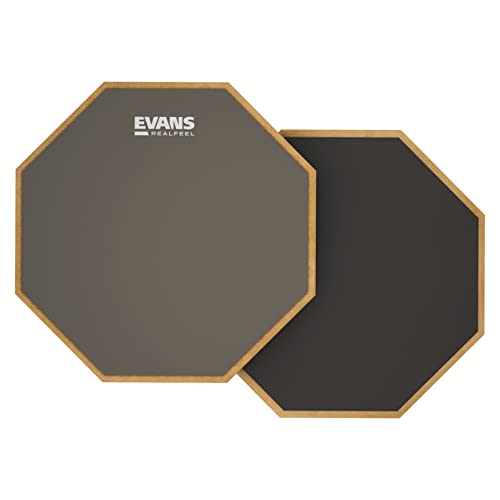
PRACTICE ANYTIME, ANYWHERE - Evans RealFeel Attacktile Drum Practice Pad provides the best practice substitute to acoustic drums. Portable and quiet, it works on any surface including carpet, table, lap or inside a standard snare basket.

Drum Pad:GrowDaily drum practice pads are the perfect practice pad for any drummer, providing a realistic playing experience with a high resilience rubber and solid poplar base, and high-density shock absorbing cotton for a near snare drum feel.

【Professional 9 Pads Electric Drum Pad】Sboet electronic drum set includes 3 TOMS, 2 CRASHES, 1 HI-HAT, 1 RIDE, 1 SNARE, 1 BASS and 2 Pedals, offers 7 Timbres, 10 DEMO Songs and 9 Rhythms, it contains all the drums you need to get started, perfect for kids beginners or professional drummers
Types of Accent Marks in Music Notation
In the domain of music notation, accent marks serve as essential tools for performers, guiding them on how to interpret and express notes with varying degrees of emphasis and style. The basic accent mark (>) indicates a strong emphasis on a note, often placed on strong beats to highlight their importance. The staccato note, denoted by a dot, instructs musicians to play in a detached manner, shortening the note’s duration. For a more pronounced effect, the marcato (^) combines loudness and brevity, demanding a forceful yet shorter execution. In contrast, a staccatissimo, represented by a triangle, signifies an even quicker release. Additionally, the tenuto mark (–) encourages performers to sustain a note for its full value, enriching the musical texture. Using tools like a drum practice pad can help drummers internalize these nuances of dynamics and articulation effectively during silent practice.
Recommended Products

PRACTICE ANYTIME, ANYWHERE - Evans RealFeel Drum Practice Pad provides the best practice substitute to acoustic drums, so you can practice rudiments, paradiddles or just drum along to that song on the radio – without disturbing anyone. Portable and quiet, it works on any surface including carpet, table, lap or inside a standard snare basket.

Efficiently mount the rubber pad on a stand or tabletop no matter where you are

[Practice Whenever U Want] - Donner Drum Practice Pad is a great practice pad for any drummer which offers an authentic playing experience. You can easily practice your skills at home or outdoors. Portable and lightweight! it works flexibly on any surface including carpet, table, and standard snare basket. Super long-lasting for kids' use, too!
Using Accents in Chord Progressions
Guiding the emotional flow of a musical piece involves not only the notes themselves but also how these notes are organized into chord progressions. Accents play an essential role in this organization, as they emphasize certain beats, preventing a flat sound and engaging listeners more deeply. Dynamic accents can enhance specific chords by making them louder, creating sudden emphasis that captures attention effectively. Additionally, agogic accents add musical expression by holding chords longer, without modifying the underlying tempo. Tonic accents especially highlight the tonic chord, offering a sense of resolution within the progression. Moreover, introducing rhythmic accents through syncopation can create distinct pulses, adding energy and liveliness to the chord progression, ultimately enriching the overall musical experience. Integrating knowledge of stick control and coordination can further enhance the precision and impact of accented rhythms within chord progressions.
Recommended Products

NEAR SILENT: this is Meinl's quietest practice pad; the special "Marshmallow" foam surface absorbs stick sound and reduces spring-back
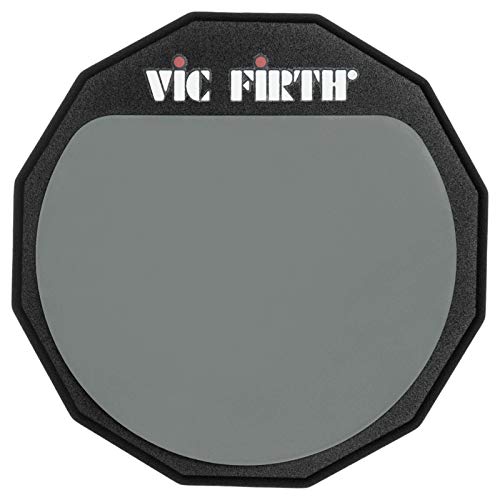
Realistic drumhead feel and response

NEAR SILENT: this is Meinl's quietest practice pad; a special "marshmallow" foam surface absorbs stick sound and reduces spring-back
The Role of Accents Across Different Musical Genres
Accents serve as a powerful tool in shaping the emotional and rhythmic landscape of various musical genres, allowing artists to connect more deeply with their audience. In classical music, they highlight thematic elements, adding drama and enabling performers to convey emotional depth. Conversely, pop and rock genres utilize dynamic and rhythmic accents to create catchy hooks that grab listeners’ attention. Jazz distinguishes itself with syncopation and dynamic accents, promoting a swing feel that enhances improvisation. Additionally, blues music effectively emphasizes tension and release through accents, enriching the emotional quality of its melodies. Various categories of accents in other popular styles, like funk and Latin, maintain high energy levels while engaging listeners with intriguing rhythms throughout tracks. Practicing with tools like the Integrated Metronome can help musicians master the timing and emphasis necessary for effective accentuation.
Recommended Products

🎸【TPR ENVIRONMENTAL DRUM HEAD MATERIALS】: 10" Novel design drum pad; More interesting practice pad with the pad with audible metronome beating sound;

Improve Rhythm with Every Practice Develop accurate timing and steady tempo for piano, guitar, violin, ukulele and other instruments. Great for beginners, students and daily practice.

Aklot Metronome Ⅱ expands on the standard metronome by adding a 24-hour time mode and beat loop function—packing 4 features into 3 intuitive modes. Plus, you can adjust screen brightness and vibration intensity via the companion app, delivering comfortable yet precise beat vibrations for the wearer.
How Diction Influences Accent in Singing
Pronunciation and articulation play a pivotal role in shaping how singers express accents in their performances. Diction classes are vital, focusing on these aspects to help singers convey accents accurately. During singing, vocal emphasis may require modifications, meaning that natural speech patterns can be altered to enhance performance. For instance, different styles such as musical theatre or opera necessitate specific adaptations to accents, aligning with genre expectations. Moreover, clarity of vowels is critical; maintaining sound integrity guarantees that accents are perceived as intended by the audience. Cultural influences also lead many singers to modify their accents, whether to achieve mainstream acceptance or to conform to stylistic norms in various music genres, demonstrating the intricate relationship between diction and accent in singing. Just as drummers rely on durability and corrosion resistance in tuning components to maintain consistent performance, singers similarly depend on precise diction to sustain the clarity of their accents.
The Difference Between Singing and Speaking Voices
Singers often navigate a unique landscape where their singing voice differs remarkably from their speaking voice, influencing how they convey emotion and character. The primary distinction lies in sound quality; singing emphasizes melody and rhythm, resulting in smoother shifts between notes. Accents, such as Midwestern or Southern American, can become less pronounced when individuals sing, due to the universal qualities of musical phrasing. To enhance vocal clarity and expression, many singers attend diction classes, adjusting their accents and pronunciation accordingly. For instance, non-rhotic accents, where ‘r’ sounds are dropped, may require careful adjustments to guarantee phonetic clarity. Ultimately, musical influences and the desire for mainstream appeal can lead to significant alterations in a singer’s authentic speech characteristics during performances. Just as musicians protect their instruments with durable covers designed for both protection and style, singers often adjust their vocal presentation to maintain clarity and preserve their musical identity.
The Impact of Accents on Audience Perception
Often, accents can notably influence how audiences perceive and connect with musical performances. Accents in music are critical in shaping audience perception by prompting emotional responses and enhancing engagement. For instance, through strategic accentuation, musicians can draw listeners’ attention to pivotal moments, fostering a deeper connection with the music. In genres such as jazz and classical, unique accents affect interpretation, leading to varied emotional experiences that depend on performance style. Furthermore, the presence of accents often cultivates heightened anticipation, making musical phrases dynamic and lifelike instead of monotonous. Additionally, familiarity with specific accent patterns can meaningfully influence how audiences perceive and react to musical cadences, ultimately enhancing their enjoyment and understanding of the piece they are experiencing. Similarly, the adjustability for tension control in musical instruments like snare drums allows performers to fine-tune expression, further impacting the emotional delivery of accented notes.
Exploring Accents Through Music Education
How does music education illuminate the significance of accents in performance? It enables musicians to grasp the vital role that accents play in enhancing expressiveness and emotional depth. By studying dynamic, agogic, and tonic accents, students learn to emphasize specific notes or beats, allowing for diverse interpretations across musical genres. Accent marks, such as staccato, marcato, and tenuto, teach learners how to manipulate emphasis and duration, enriching their performances. Engaging in practical exercises, like experimenting with chord progressions, helps students avoid flat sounds, fostering vibrant musical ideas. In addition, understanding accents in styles, such as syncopated jazz or dramatic classical compositions, cultivates nuanced performance practices, equipping musicians with the tools to convey their artistic vision effectively. Practicing with equipment designed for noise dampening can help musicians focus on accent techniques without distraction.
Recommended Products


Alfred Publishing Co. Model#0016486

Frequently Asked Questions
Is Accent Important for Understanding Music?
Accent is essential for understanding music. Research shows that 70% of listeners associate accent variation with emotional expression. It enhances rhythmic emphasis, showcasing cultural significance and contributing profoundly to a piece’s overall interpretative richness and depth.
How Are Accents Used in Music?
Accents in music serve to enhance musical expression through rhythmic emphasis, create dynamic intensity, and allow for stylistic interpretation. They focus listeners’ attention on key notes, ultimately enriching the overall musical experience and emotional impact.
What Does an Accent Tell You to Do in Music?
An accent in music directs performers to emphasize specific notes, facilitating musical expression. It creates rhythmic emphasis through dynamic contrast, guiding interpreters to enhance emotional depth and character within their performances, ultimately enriching the overall listening experience.
What Are the 4 Components of Accent?
The four components of accent in music are dynamic accents, agogic accents, tonic accents, and rhythmic accents. Each contributes to musical expression, reflects cultural identity, enhances emotional nuance, and introduces rhythmic variation within compositions.


