As an Amazon Associate, we earn from qualifying purchases. Some links on this site are affiliate links at no extra cost to you. Our recommendations are based on thorough research and editorial judgment.


10 Best Drum Hand Techniques to Elevate Your Playing Skills

To elevate your drumming skills, focus on ten essential hand techniques. Start with the matched grip for consistent strokes, then explore the traditional grip for added finesse. Mastering basic strikes on various drums, like the bass and slap on the djembe, is vital. Develop finger dexterity to enhance sound clarity and dynamic range. Regular practice of rudiments builds muscle memory, while proper hand positioning optimizes tone and control. Stick around to uncover more detailed strategies and techniques!
Key Takeaways
- Practice rudiments regularly to build muscle memory and increase speed and precision in your drumming technique.
- Experiment with different hand positioning to enhance your versatility and tonal expression across various musical genres.
- Focus on grip consistency and ergonomics to minimize strain and improve control during long practice sessions.
- Incorporate finger dexterity exercises into your routine for improved sound clarity and dynamic range on different drum types.
- Master various striking techniques, such as palm and finger hits, to produce a richer and more diverse sound palette.
| Stick Control: For the Snare Drummer |  | Drumming Essential | Skill Level: All skill levels | Focus on Techniques: Control and coordination | Practice Recommendations: Exercises and progressions | VIEW LATEST PRICE | Read Our Analysis |
| Playing Handpan Drum for Beginners Guide |  | Beginner’s Gateway | Skill Level: Beginner | Focus on Techniques: Hand strikes and placements | Practice Recommendations: Master essential techniques | VIEW LATEST PRICE | Read Our Analysis |
| Hip Grooves for Hand Drums: Play Funk & Rock |  | Versatile Grooves | Skill Level: All skill levels | Focus on Techniques: Funk and rock patterns | Practice Recommendations: Jam along with recordings | VIEW LATEST PRICE | Read Our Analysis |
| How to Play Bongo Drums: A Beginners Guide |  | Fun Foundations | Skill Level: Beginner | Focus on Techniques: Hand techniques and rhythms | Practice Recommendations: Step-by-step lessons | VIEW LATEST PRICE | Read Our Analysis |
| How to Play Djembe for Beginners | | Cultural Classic | Skill Level: Beginner | Focus on Techniques: Djembe techniques and rhythms | Practice Recommendations: Practice plans and exercises | VIEW LATEST PRICE | Read Our Analysis |
| Advanced Techniques for Modern Drummer: Jazz Vol. 1 |  | Advanced Techniques | Skill Level: Beginner to accomplished | Focus on Techniques: Independence and coordination | Practice Recommendations: Practice and performance strategies | VIEW LATEST PRICE | Read Our Analysis |
| How to Play the Frame Drum: Beginner’s Guide | | Rhythmic Awakening | Skill Level: Beginner | Focus on Techniques: Hand techniques | Practice Recommendations: Daily practice system | VIEW LATEST PRICE | Read Our Analysis |
| Steve Smith – Drumset Hand Technique Guide | 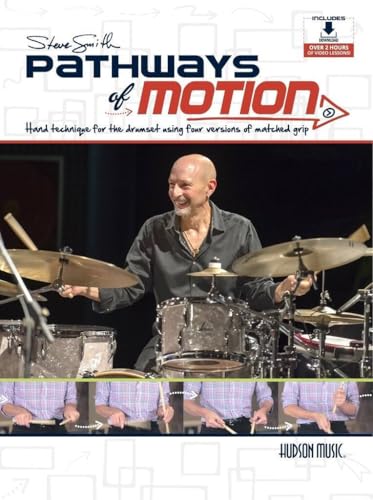 | Grip Mastery | Skill Level: All skill levels | Focus on Techniques: Matched grip and phrasing | Practice Recommendations: Practical exercises | VIEW LATEST PRICE | Read Our Analysis |
| Anika Nilles’ Pad Book: Fundamental Workouts | 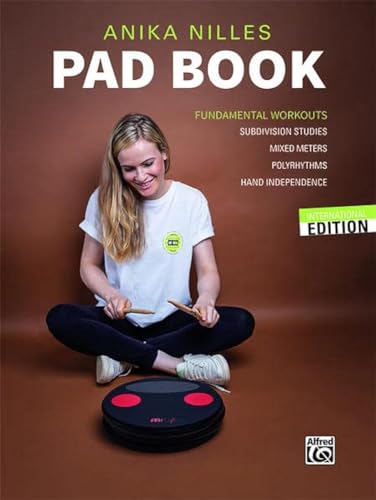 | Travel-Friendly Training | Skill Level: All skill levels | Focus on Techniques: Rhythm and independence | Practice Recommendations: Warm-ups and creative development | VIEW LATEST PRICE | Read Our Analysis |
| Playing Bongos for Beginners: A Step-By-Step Guide | 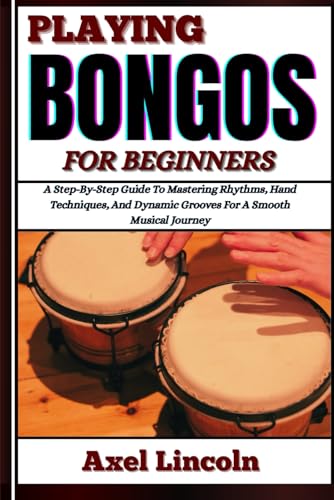 | Step-by-Step Learning | Skill Level: Complete beginners | Focus on Techniques: Hand techniques and rhythms | Practice Recommendations: Proven practice strategies | VIEW LATEST PRICE | Read Our Analysis |
You may be interested


More Details on Our Top Picks
Stick Control: For the Snare Drummer
If you’re looking to elevate your drumming skills, “Stick Control: For the Snare Drummer” by George Lawrence Stone is an invaluable resource for both beginners and experienced players. Renowned as the bible of drumming, this classic book has earned its place in the top 25 drumming books of all time, according to Modern Drummer magazine. With hundreds of rhythms that progress from basic to advanced, you’ll find categories covering single beats, triplets, and varied roll combinations. Its focus on developing your weak hand and enhancing your precision, speed, and dynamics makes it a must-have tool for mastering essential stick control techniques.
- Skill Level:All skill levels
- Focus on Techniques:Control and coordination
- Practice Recommendations:Exercises and progressions
- Audience:Drummers of all types
- Cultural Insights:Focus on snare drumming heritage
- Supplemental Materials:None specified
- Additional Feature:Classic drumming essential
- Additional Feature:Focus on weak hand
- Additional Feature:Hundreds of rhythm patterns
Playing Handpan Drum for Beginners Guide
Handpan drums are an exceptional choice for beginners seeking a unique and soothing musical experience. These instruments stand out because of their calming tones and straightforward playing techniques, making them accessible to anyone. Begin by mastering basic hand strikes, focusing on how to hit the drum with your palms and fingers for clear, resonant notes. Don’t worry about complexities just yet—experiment with different scales and tunings to discover what resonates with you. As you progress, use your handpan for rhythm, exploring melodies while aligning with a metronome. Remember, regular maintenance is essential to keep your instrument in top shape.
- Skill Level:Beginner
- Focus on Techniques:Hand strikes and placements
- Practice Recommendations:Master essential techniques
- Audience:Absolute beginners
- Cultural Insights:Therapeutic potential of handpan
- Supplemental Materials:None specified
- Additional Feature:Therapeutic musical instrument
- Additional Feature:Essential hand strikes
- Additional Feature:Meditative techniques included
Hip Grooves for Hand Drums: Play Funk & Rock
“Drum Hand Techniques” is an excellent choice for drummers enthusiastic to explore the vibrant world of funk and rock rhythms, especially those who play hand drums like the Djembe or conga. This book, “Hip Grooves for Hand Drums,” teaches you how to reveal funky beats and solid rock patterns. With step-by-step instructions, you can jam with friends or play along to recordings. You’ll discover a mix of rock, pop, and traditional African rhythms, providing versatile grooves for various musical styles. Plus, the included CD helps you hear how each groove should sound, enhancing your practice and performance.
- Skill Level:All skill levels
- Focus on Techniques:Funk and rock patterns
- Practice Recommendations:Jam along with recordings
- Audience:Drummers of all skill levels
- Cultural Insights:Incorporates world rhythms
- Supplemental Materials:Includes CD for audio examples
- Additional Feature:Dance grooves adaptation
- Additional Feature:CD with sound examples
- Additional Feature:Versatile across genres
How to Play Bongo Drums: A Beginners Guide
Bongo drumming opens a vibrant avenue for creative expression, making it an ideal choice for those enthusiastic to explore percussion. To get started, familiarize yourself with the drum components: the larger drum is called the “hembra,” and the smaller one is the “macho.” Choose a comfortable practice space that encourages good posture and allows for focus. As you immerse yourself in hand techniques, experiment with finger placement and rhythms like Martillo and Salsa. Don’t be afraid to improvise and jam with others, as collaboration can enhance your skills. Remember to maintain and care for your bongos to keep the sound crisp and resonant.
- Skill Level:Beginner
- Focus on Techniques:Hand techniques and rhythms
- Practice Recommendations:Step-by-step lessons
- Audience:Beginners
- Cultural Insights:Latin music background
- Supplemental Materials:None specified
- Additional Feature:Fun, structured lessons
- Additional Feature:Popular Latin rhythms
- Additional Feature:Collaboration with others
How to Play Djembe for Beginners
If you’re enthusiastic to plunge into the world of percussion, exploring the djembe is an excellent starting point. This unique drum isn’t just an instrument; it’s a cultural connection steeped in African tradition. To begin your journey, make sure you’re comfortable by positioning the djembe at waist level, allowing for maximum sound production. Grasp the drumhead with your palms, producing three primary sounds: the deep bass, the crisp tone, and the sharp slap. Practicing traditional rhythms like Kuku will help you develop hand strength and rhythmic consistency, paving the way for future improvisation and ensemble play. Enjoy each beat!
- Skill Level:Beginner
- Focus on Techniques:Djembe techniques and rhythms
- Practice Recommendations:Practice plans and exercises
- Audience:Beginners interested in African music
- Cultural Insights:African cultural significance
- Supplemental Materials:None specified
- Additional Feature:Cultural significance exploration
- Additional Feature:Producing essential djembe sounds
- Additional Feature:48-hour lesson plan
Advanced Techniques for Modern Drummer: Jazz Vol. 1
For any drummer seeking to enhance their skills, “Advanced Techniques for the Modern Drummer: Coordinated Independence as Applied to Jazz and Be-Bop, Vol. 1″ stands out as an essential resource. Written by Jim Chapin, often called the Father of Jazz Independence, this book examines improving your independence, coordination, and sticking. Spanning 64 pages, it’s perfect for both beginners and seasoned drummers. You’ll appreciate the online audio, which makes learning dynamic. With an average rating of 4.7 stars from over 369 reviews, it’s clear this classic work remains crucial for anyone committed to mastering the art of jazz drumming.
- Skill Level:Beginner to accomplished
- Focus on Techniques:Independence and coordination
- Practice Recommendations:Practice and performance strategies
- Audience:Beginners and accomplished drummers
- Cultural Insights:American jazz influence
- Supplemental Materials:Online audio included
- Additional Feature:Online audio resources
- Additional Feature:Focus on jazz independence
- Additional Feature:Dedicated to Sanford Moeller
How to Play the Frame Drum: Beginner’s Guide
Revealing the joy of playing the frame drum can be transformative, especially for those who are newcomers to music yet yearn for a deeper connection with rhythm. This guide offers simple steps to get you started with this dynamic instrument. First, choose a frame drum that feels comfortable in size and weight. Then, learn to hold it—resting it on your lap or against your body works well. Master fundamental hand techniques like producing bass tones and crisp high sounds. As you practice daily for just ten minutes, you’ll not only develop timing but also discover various rhythms from cultures around the world.
- Skill Level:Beginner
- Focus on Techniques:Hand techniques
- Practice Recommendations:Daily practice system
- Audience:Beginners
- Cultural Insights:Global styles and rhythms
- Supplemental Materials:None specified
- Additional Feature:Emphasis on body connection
- Additional Feature:10-minute daily practice
- Additional Feature:Global rhythmic styles
Steve Smith – Drumset Hand Technique Guide
Steve Smith’s “Pathways of Motion: Hand Technique for the Drumset Using Four Versions of Matched Grip” is an essential resource for drummers enthusiastic to refine their skills and explore advanced hand techniques. This thorough guide investigates matched-grip techniques, offering practical lessons on the snare drum that seamlessly convert to full drumset applications. You’ll uncover four distinct grips, each accompanied by rudimental exercises that challenge and elevate your playing. The book also emphasizes ergonomics and Moeller motions, ensuring your setup is comfortable. With video supplements, you’ll find a clear pathway to improve your technique and overall musical expression.
- Skill Level:All skill levels
- Focus on Techniques:Matched grip and phrasing
- Practice Recommendations:Practical exercises
- Audience:Drummers at any level
- Cultural Insights:Jazz and be-bop traditions
- Supplemental Materials:DVD with matching videos
- Additional Feature:Integration of video content
- Additional Feature:Four grip techniques
- Additional Feature:Ergonomic setup advice
Anika Nilles’ Pad Book: Fundamental Workouts
Anika Nilles’ Pad Book: Fundamental Workouts is an exceptional resource tailored for drummers enthusiastic to refine their skills, especially those who may not have regular access to a full drum set. With detailed chapters on subdivision studies, mixed meters, hand independence, and polyrhythms, this book emphasizes the importance of practicing on a pad. Each section progresses from basic rhythms to more complex patterns, enhancing your understanding of timing. Warm-ups encourage creativity and allow you to develop unique rhythmic ideas. Ultimately, the skills learned here can easily translate to the drum kit, elevating your overall performance abilities.
- Skill Level:All skill levels
- Focus on Techniques:Rhythm and independence
- Practice Recommendations:Warm-ups and creative development
- Audience:Drummers without regular access to drums
- Cultural Insights:No specific cultural focus
- Supplemental Materials:None specified
- Additional Feature:Subdivision studies focus
- Additional Feature:Warm-ups for creativity
- Additional Feature:Mobile practice solutions
Playing Bongos for Beginners: A Step-By-Step Guide
If you’re a complete beginner enthusiastic to plunge into the world of percussion, “Playing Bongos for Beginners: A Step-By-Step Guide” is tailor-made for you. This thorough 127-page manual is designed to take you from novice to skilled bongo player through a clear, step-by-step approach. You’ll start with understanding the bongo’s parts and essential hand techniques before diving into rhythms and timing. By practicing foundational beats, you’ll build your coordination and control, ultimately mastering complex patterns. With proven strategies to track your progress, you’ll stay motivated while enriching your musical journey. Embrace the rhythm, and enjoy every beat!
- Skill Level:Complete beginners
- Focus on Techniques:Hand techniques and rhythms
- Practice Recommendations:Proven practice strategies
- Audience:Complete beginners
- Cultural Insights:Latin and world music
- Supplemental Materials:None specified
- Additional Feature:Engaging learning process
- Additional Feature:Proper drum care tips
- Additional Feature:Track progress strategies
Factors to Consider When Choosing Drum Hand Technique

When you’re choosing a drum hand technique, you need to think about a few key factors that can really impact your playing style. Grip style variations can change how you strike the drum, while proper hand positioning guarantees not only sound quality but also prevents discomfort during practice. Additionally, considering ergonomics, consistency in your technique, and the selection of rudimental exercises can help you develop a solid foundation that enhances your performance and keeps drumming enjoyable.
Grip Style Variations
Choosing the right grip style for drumming isn’t just a matter of personal preference; it can affect your performance and comfort markedly. You might lean towards matched grip, where both hands use the same position, ideal for modern styles due to its simplicity and ability to produce consistent strokes. On the other hand, traditional grip, often used in jazz and marching bands, offers greater finesse but demands more strength and coordination. Your grip choice can also impact sound quality since it alters the angle, force, and touch on the drumhead. Plus, focusing on ergonomics guarantees your grip aligns with your natural hand positioning, reducing fatigue and boosting endurance during long practice sessions.
Hand Positioning Importance
How does hand positioning impact your drumming? Proper hand placement on the drums is vital, as it dramatically influences sound quality and control. When you grip your sticks at the right angle, you can produce a range of tones with precision. Furthermore, maintaining relaxed wrists and fingers fosters smooth motion, making it easier to execute advanced techniques. This relaxed approach not only improves speed but also enhances your ability to articulate complex rhythms and rudiments, which are fundamental to developing coordination. By experimenting with various hand positions, you can increase your versatility, allowing you to adapt easily to different musical styles. Ultimately, mastering hand positioning is essential for elevating your overall drumming skills, ensuring you play effectively and expressively.
Ergonomics and Comfort
Ergonomics plays an essential role in your drumming experience, influencing not only your sound quality but also your physical comfort during practice and performances. Proper positioning of your hands, body, and drums can minimize strain while enhancing your sound. A comfortable grip and natural wrist motion can vastly reduce the risk of repetitive strain injuries that many drummers face. Adjusting the height and angle of your drums to match your physical attributes promotes better posture, decreasing fatigue during long sessions. Moreover, ergonomic drumsticks that fit well in your hand can improve control and performance while lowering discomfort. Don’t forget to incorporate regular breaks and stretching exercises; they’re vital for maintaining hand and arm health, ensuring you stay comfortable and flexible.
Technique Consistency Practices
Consistency is essential when it comes to developing your drum hand techniques, as it considerably influences your ability to perform across various styles. To master different genres, aim for a consistent grip and solid hand positioning, which are vital for achieving speed and precision. Regular practice of rudiments helps create muscle memory, allowing you to play confidently at various tempos and dynamics. Incorporate warm-ups that focus on hand independence, enhancing your capability to navigate complex rhythms. Additionally, don’t shy away from tracking your progress; self-assessment can highlight areas needing improvement, keeping you on a steady path toward refining your technique. By maintaining consistency, you pave the way for a sustainable, injury-free drumming career, ensuring lasting fulfillment in your musical journey.
Rudimental Exercises Selection
Selecting the right rudimental exercises is a key factor in developing your drum hand techniques effectively. Focus on exercises that enhance hand coordination, speed, and endurance—these are critical for improving your overall drumming ability. Start with basic patterns like single strokes and gradually progress to advanced combinations such as flams and double strokes; this approach fosters extensive skill growth. Incorporate a variety of rhythms and accents during practice to build agility and expressiveness in your playing. Don’t forget to address your weaker hand, as a balanced technique will greatly impact your proficiency. Finally, consistently practice with a metronome, as this will help you build a strong foundation and achieve accurate rhythmic precision throughout your drumming journey.
Sound Production Techniques
Sound production on the drums hinges on multiple factors that every drummer must consider when refining their hand techniques. First, proper hand positioning is crucial for producing distinct sounds, and the techniques you use will vary based on the drum type and the tonal quality you desire. Moreover, developing finger dexterity while utilizing your wrist can greatly enhance the clarity and dynamic range of your playing. Mastering different strikes—such as slaps, taps, and rolls—is essential for achieving tonal variation and expressive playing. Consistent practice of these fundamental techniques builds better control, allowing you to generate a rich, full sound. Finally, understanding how hand techniques interact with the drum’s materials can help you optimize your sound for specific genres and playing contexts.
Coordination and Independence
Mastering coordination and independence in drumming is essential for any aspiring drummer who wants to tackle complex rhythms and styles. These skills enable you to control different limbs simultaneously, a key factor for executing intricate patterns. To develop hand independence, practice with a metronome; this helps keep your timing steady while working through diverse patterns. Incorporate exercises that challenge both your hands and feet to enhance coordination, allowing for varied movements that boost overall proficiency. Additionally, try rhythmic exercises like polyrhythms, which teach you to play contrasting rhythms simultaneously, leading to richer musical expression. With consistent practice focusing on these areas, you’ll notice improvements in speed, precision, and confidence across multiple genres, making your drumming truly standout.
Progress Tracking Methods
As you commence on your journey to improve your drum hand techniques, it’s essential to implement effective progress tracking methods that can guide your practice sessions and keep you motivated. Start by keeping consistent practice logs, noting daily durations and specific techniques you tackle; this helps identify what needs improvement. Video recordings of your sessions allow for useful self-assessment, as seeing your hands in action provides a clearer perspective on your skills. It’s also wise to set clear, measurable goals—like mastering particular rudiments or achieving set tempos. Finally, record your challenges and breakthroughs in a journal, as documentation helps you reflect and discover which strategies work best for you. Revisiting previously learned techniques further aids in gauging skill retention over time.
Frequently Asked Questions
How Do I Choose the Right Drumsticks for My Playing Style?
To choose the right drumsticks for your playing style, consider the stick’s material, diameter, and length. For instance, hickory gives you strength and resilience, while maple is lighter and perfect for softer playing. Thicker sticks offer more power, while thinner ones enhance speed and control. Additionally, longer sticks provide better reach, whereas shorter ones facilitate quick wrist movements. Try different options, so you can discover what feels best for your unique rhythm and dynamics.
What Are the Best Hand Exercises to Improve Drumming Speed?
To boost your drumming speed, practice simple hand exercises like single strokes, double strokes, and paradiddles. Picture your hands as they dance over the drumhead, each stroke precise and controlled. Start slow with a metronome, gradually increasing the tempo to challenge yourself. Incorporate accents within these patterns, which enhances coordination and power. Regular practice not only improves speed but develops muscle memory, making those intricate rhythms feel effortless while you play.
Can I Practice Drum Techniques Without a Drum Set?
Yes, you can definitely practice drum techniques without a drum set! Use practice pads or even a stack of books to mimic the feel of drumming. Focus on hand movements, rhythm exercises, and stick control. You can also practice finger techniques and sticking patterns in the air, which helps build muscle memory. Remember, it’s all about developing your skills, so make the most of your practice time, no matter what you have available!
How Does Hand Positioning Affect Sound Quality When Drumming?
Hand positioning considerably shapes sound quality when you’re drumming. When you hold your sticks correctly—balanced and relaxed—you create better tone and volume. For instance, gripping too tightly can lead to harsh sounds, while proper hand placement allows for fluid wrist movement. Experimenting with angles lets you achieve varying dynamics, affecting how notes resonate. Remember, slight adjustments can lead to considerable sonic shifts, making your drumming more expressive and polished, which is what every drummer desires.
What Common Mistakes Should I Avoid With Hand Techniques?
You should avoid gripping the drumsticks too tightly, as it can limit your movement and hinder your speed. Also, watch out for uneven wrist motion, which can lead to inconsistent strikes. Staying relaxed is key; tension in your hands affects your rhythm. Additionally, don’t forget to maintain proper stick angles when striking the drums, as this improves sound quality. Finally, practice with a metronome to develop steady timing while refining your hand techniques.


