As an Amazon Associate, we earn from qualifying purchases. Some links on this site are affiliate links at no extra cost to you. Our recommendations are based on thorough research and editorial judgment.


Practicing With Backing Tracks Vs Playing Along to Songs

Practicing with backing tracks provides a structured environment that emphasizes timing, coordination, and chord changes, facilitating skill development. In contrast, playing along to original songs encourages spontaneity, creativity, and real-time adaptability, enhancing listening skills. Each method has its benefits and limitations; backing tracks promote focused practice, while original songs can distract from technical mastery. Balancing both approaches not only enriches musicianship but also keeps practice engaging. Explore further to uncover more insights into maximizing practice efficiency.
Key Takeaways
- Backing tracks provide a controlled environment for mastering timing and chord changes, while original songs promote creativity and emotional expression.
- Playing along to original songs enhances listening skills, but their complexity can obscure individual instrumental roles.
- Backing tracks facilitate structured improvisation, allowing musicians to focus on specific techniques within defined musical parameters.
- Alternating between backing tracks and original songs keeps practice engaging and helps solidify learned concepts through varied experiences.
- Using both methods cultivates a well-rounded musicianship by developing technical skills and encouraging spontaneous musical expression.
The Structure of Backing Tracks

You may be interested


Backing tracks serve as invaluable tools for musicians looking to enhance their skills and creativity. Structured to simulate a full band experience, these tracks typically include essential elements like rhythm, bass, and harmony, enabling musicians to focus on their guitar part. Unlike an original recording, backing tracks offer a controlled environment, which allows musicians to practice key techniques such as timing and phrasing without distractions. Many tracks are organized into specific sections, including verses, choruses, and bridges, making it easier to manage chord changes and song forms. This structure not only aids in skill development but also encourages improvisation during playing along sessions, providing musicians the chance to experiment within defined musical parameters. Incorporating tools like a built-in electronic metronome can further improve precision and timing during practice.
Recommended Products

Backing track import with fx automation for “tap-dance free” performance synchronized to tracks
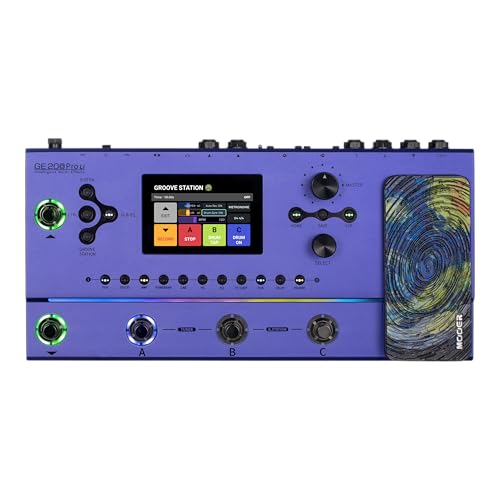
The GE200 Pro Li boasts 286 advanced effect modules and amp models, providing guitarists with countless chain combinations to explore. To add to this flexibility, the multi-effects pedal also supports the downloading of MOOER’s in-house MNRS amp sim impulse response files, offering 20 free storage slots. This also enables users to download and share third-party IR cabinet simulation files of up to 2048 points, further enhancing the pedal’s versatility.

NEW Classic Speaker mode for organic sound and feel
The Spontaneity of Playing Along to Songs

Musicians often find that playing along to actual songs ignites a sense of spontaneity that can transform their practice sessions. Unlike working with backing tracks, this approach mimics the experience of playing in a real band, where the unpredictability of fellow musicians encourages adaptability. As players engage with different tempos and emotional nuances, they develop valuable listening skills, which enhance their ability to anticipate changes in the music. This real-time interaction fosters creativity, allowing for improvisation that reflects the original artist’s style. By listening back to their performances, musicians can identify areas for growth while embracing the playful nature of spontaneous expression. Ultimately, playing along to songs nurtures an exciting and dynamic musical journey. Incorporating Afro-Cuban percussion techniques into practice sessions can deepen rhythmic understanding and add a rich cultural dimension to musical exploration.
Recommended Products

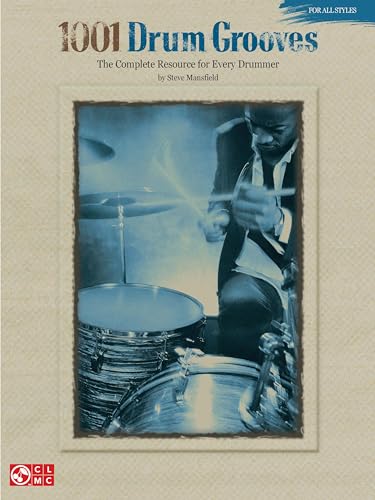
Used Book in Good Condition

Benefits of Using Backing Tracks

Practicing with backing tracks offers numerous advantages that can markedly enhance a musician’s skill set. These tracks create a controlled environment, allowing musicians to work on timing and chord changes without unexpected variations from other instruments. The full-band sound promotes engagement and motivation, making practice more enjoyable than working in isolation. Moreover, backing tracks are essential for developing improvisational skills, providing structured scenarios that challenge players to create music within defined boundaries. They also serve as valuable rehearsal tools for preparing setlists, helping musicians simulate concert conditions and build performance endurance. Overall, utilizing backing tracks aids in identifying improvement areas, as musicians can record and assess their progress against a consistent backdrop, ultimately advancing their playing guitar abilities. Many modern practice tools enhance this experience by offering real-time feedback to guide skill improvement during sessions.
Recommended Products



Limitations of Playing Along to Original Songs
Although playing along to original songs can be an enjoyable experience, it presents several limitations that may hinder a player’s growth and understanding of musical concepts. When engaging in this activity, musicians often focus mainly on replicating parts, which can obscure their awareness of instrument dynamics and arrangement contexts. Furthermore, the complexities in original recordings, particularly well-produced guitar solos, can make it difficult to identify individual instrument roles. This can lead to misinterpretations and hinder self-assessment, as players might not recognize areas needing improvement. Additionally, emotional elements can distract beginners from mastering essential technical skills. Without access to isolated parts, individuals may struggle to develop specific techniques—limiting their ability to express themselves musically and hindering their potential for improvisation. Incorporating structured practice resources can provide more focused development opportunities that overcome these challenges.
Finding a Balance: Combining Both Approaches
Finding a balance between practicing with backing tracks and playing along to original songs can greatly enhance a musician’s overall development. Backing tracks provide structured opportunities for guitarists to focus on specific techniques, improving timing and coordination. Meanwhile, playing along to original songs fosters an appreciation for the bigger picture, enhancing listening skills and emotional connection. This combination allows musicians to develop both technical prowess and musical understanding. Alternating between these methods can prevent monotony, motivating guitarists to explore various styles and genres. Additionally, regularly switching between backing tracks and original music solidifies learned concepts, boosting confidence and adaptability through exposure to live dynamics. Achieving this balance ultimately helps cultivate well-rounded musicianship. Utilizing tempo control features in backing tracks can further enhance practice effectiveness by aligning rhythms precisely with the music.
Recommended Products

Ampero II Stage adopts the latest triple-core digital platform and ESS Sabre series high-quality independent AD/DA converters. Combined with evolving CDCM HD and F.I.R.E. modeling technology. 24-bit signal processing, up to 127dB dynamic range

Realistic tube-amp tones and feel plus essential effects

Compact and portable professional music production tool
Improving Performance Through Recording and Self-Assessment
Recording practice sessions serves as a powerful tool for musicians seeking to elevate their performance skills. By using backing tracks and engaging in self-assessment, musicians can critically evaluate their playing, pinpointing specific areas to improve, such as timing and technique. When recording their sessions, they gain an objective perspective on how they sound while playing along to different styles. This reflection highlights both mistakes and successes over time, motivating musicians to enhance their focus on tone and expression. Additionally, analyzing these recordings fosters a deeper understanding of musical arrangements and contexts, which is essential in music theory. Hence, regular self-assessment through recordings not only aids in developing accuracy but also enriches overall musicality, ultimately improving performance. Incorporating a metronome practice during these sessions further enhances timing consistency and precision.
Recommended Products

Accompaniment Styles add a "backing band" when you play or perform for dynamic and professional results. Customize and personalize your music while maintaining control over chord changes and arrangements.

48 Input Channels, 36 Total Busses, PAFL Bus, 12 Stereo Mix (Aux or Group) + Main

The color touch screen allows you to easily see the state of Voice and Style assignments and quickly access and adjust a wealth of features and settings
Frequently Asked Questions
Do Backing Tracks Improve My Playing?
Backing tracks substantially improve playing by enhancing technique, boosting creativity, and developing improvisation skills. They promote timing accuracy and encourage genre exploration, ultimately fostering a well-rounded musicianship essential for both practice and live performances.
What Is the Difference Between Practicing and Playing?
Practicing hones specific practice styles and playing techniques for skill development, while playing fosters musical expression and performance readiness. Each approach cultivates different facets, transforming mere notes into a vibrant melody that resonates with listeners.
How to Practice With Backing Track?
To practice with backing tracks effectively, one should focus on specific techniques, explore various chord progressions, develop improvisation skills, engage in rhythm exercises, and experiment with genre variety to enhance overall musicality and adaptability.
What Is the 10,000 Hour Rule for Guitar?
The 10,000 Hour Rule for guitar emphasizes structured skill development strategies and effective practice routines. It highlights deliberate practice techniques, offering time investment insights while addressing performance anxiety management throughout the journey to guitar mastery.