As an Amazon Associate, we earn from qualifying purchases. Some links on this site are affiliate links at no extra cost to you. Our recommendations are based on thorough research and editorial judgment.


Polyrhythms Explained: Playing Multiple Rhythms Simultaneously

Polyrhythms are rhythmic structures created by combining different rhythmic patterns simultaneously, such as a four-beat rhythm layered over a three-beat rhythm. They enhance musical complexity through unique ratios, like 3:2 and 4:3, fostering a rich sound texture. These intricate rhythms are found in various global music genres, from Afro-Cuban to West African. Musicians often practice polyrhythms using techniques that improve timing and coordination, leading to more engaging performances. There is much more to explore within polyrhythms and their applications.
Key Takeaways
- Polyrhythms involve combining contrasting rhythms simultaneously, such as playing a 3-beat rhythm over a 2-beat rhythm.
- Common polyrhythmic ratios include 3:2 and 4:3, enhancing musical complexity and engagement.
- Practicing polyrhythms can involve using a metronome and layering different rhythmic patterns for coordination.
- Global music traditions, like West African drumming and Afro-Cuban genres, exemplify the use of polyrhythms in their structures.
- Rhythm control is essential for mastering polyrhythmic performances, ensuring precise synchronization among layered rhythms.
What Are Polyrhythms?
You may be interested


Polyrhythms, fascinating components of rhythmic music, are defined as the simultaneous combination of two or more contrasting rhythms played together. This intricate layering often involves different beat subdivisions, such as a 4-beat rhythm juxtaposed with a 3-beat rhythm, creating unique rhythmic textures. These complex patterns are represented by ratios like 3:2 or 4:3, which convey the relationship between the rhythms being played. Commonly found in genres such as jazz, Afro-Cuban, and West African music, polyrhythms not only enhance musical complexity but also engage listeners by introducing perceptual tension and excitement. Unlike polymeters, which utilize different time signatures, polyrhythms focus on contrasting rhythms, enriching the overall groove and emotional depth of the music. Proper equipment, such as a stable gong drum stand, is essential to clearly articulate and support these complex rhythmic patterns during performance.
Characteristics of Polyrhythms

In the domain of music, the characteristics of intricate rhythmic patterns reveal a depth that captivates both musicians and listeners alike. Polyrhythms involve the simultaneous playing of contrasting rhythms, such as a 3-beat pattern alongside a 4-beat pattern. This interplay generates complex rhythms that create a distinctive texture in musical works. Commonly, rhythmic cycles exhibit relationships like the 3:2 and 4:3 ratios, enhancing the music’s emotional impact through tension and motion. Significantly, polyrhythms are not exclusive to odd time signatures; they seamlessly integrate into standard time signatures, enriching varied genres. For musicians, mastering polyrhythms enhances rhythmic skills and deepens their comprehension of syncopation, fostering a profound appreciation for complex musical structures. Additionally, the use of dual-zone triggers in modern equipment can help drummers accurately execute and experiment with such complex rhythmic patterns.
Common Examples of Polyrhythms

Musical compositions frequently showcase diverse examples of polyrhythms, revealing the intricate interplay of rhythm within various genres. One prominent example is the 3:2 polyrhythm, where one part plays three beats while another plays two beats simultaneously, creating a dynamic syncopated feel. In jazz and Indian classical music, the 4:3 polyrhythm is prevalent, layering a four-beat pattern over a three-beat structure, effectively enriching the music’s texture. Afro-Cuban rhythms frequently employ more complex variations like 5:4, generating vibrant and intricate rhythmic tension. Furthermore, in West African drumming, polyrhythms are foundational, with instruments like the djembe and kora interlocking different rhythms, crafting a fascinating sonic experience. Contemporary works, such as Beyoncé’s “Déjà Vu,” further exemplify these engaging rhythmic combinations. Instruments such as samba whistles can effectively complement polyrhythmic patterns by adding distinctive tri-tone sounds and enhancing rhythmic layers.
Recommended Products

Package Dimensions: 46.5 cms (L) x 47.0 cms (W) x 72.5 cms (H)

Lightweight and durable seamless Synthetic shell

Seven eye-catching metallic colors, Freestyle Colorsound Djembes are just 12-1/2" high with a durable 7" synthetic head
What Polyrhythms Are Not
While it may seem that polyrhythms encompass all forms of rhythmic complexity, there are distinct characteristics that differentiate them from other rhythmic concepts. For instance, contrasting rhythms that share different measure lengths signify polymeters, not polyrhythms. Additionally, polyrhythms involve diverse rhythmic subdivisions, unlike syncopation, which focuses on off-beat accents within a single rhythmic structure. It is also remarkable that polyrhythms do not solely thrive in unusual time signatures; they can flourish in standard meters like 4/4. Moreover, cross-rhythms consist of complementary rhythms played together, but without the differing subdivisions that define true polyrhythm. Misunderstandings often arise among these rhythmic terms, hence, clarity is essential in distinguishing polyrhythms, polymeters, and syncopation. Using tools such as rubber drum mallets can help musicians more clearly articulate and explore these complex rhythmic patterns.
Instruments Capable of Producing Polyrhythms
Rhythmic instruments serve as the backbone of polyrhythmic creativity, enabling musicians to explore complex rhythmic structures. Instruments such as the piano, guitar, and drums are adept at producing polyrhythms by layering different rhythmic patterns or subdivisions. Drummers, for instance, skillfully play contrasting rhythms on various limbs, blending bass drum patterns with snare or hi-hat rhythms. In orchestral settings, percussion instruments like marimbas and vibraphones contribute distinct rhythmic patterns, creating rich polyrhythmic textures. Furthermore, string instruments, such as violins and guitars, often play multiple sections simultaneously, representing diverse rhythms. Wind instruments can join forces with percussion or melodic instruments in ensemble settings, enhancing the overall complexity of the music and giving rise to engrossing polyrhythmic effects. Many professional drummers prefer high-quality kits like the PDP Concept Maple for their excellent tonal projection and tuning stability, which support creating intricate polyrhythms.
Recommended Products
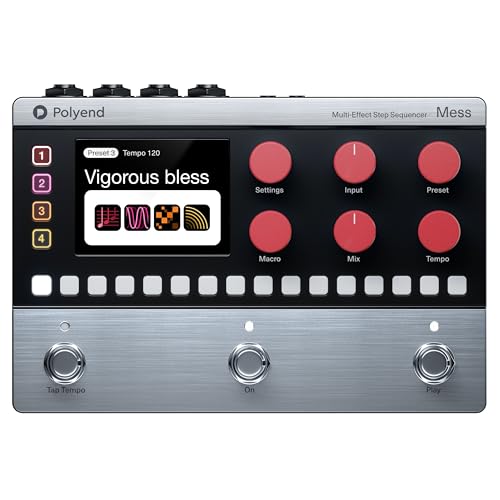
Multi-FX Pedal with 1,000 Presets


[32-Note Metal Marimba with Resonator Tubes]: This 32-note metal marimba xylophone features precision-tuned aluminum bars and dual rows of resonator tubes, delivering clear, bright sound and excellent resonance. Includes 2 mallets, making it ideal for beginners, students, and advanced percussion players.
Importance of Practicing Polyrhythms
Practicing polyrhythms offers musicians a unique opportunity to elevate their rhythmic capabilities and deepen their understanding of music. Engaging with multiple rhythms not only enhances a musician’s timing and syncopation skills, essential for maneuvering complex rhythmic compositions, but also fosters creativity by introducing rhythmic tension. This creative challenge encourages experimentation and fresh musical expressions. Additionally, mastering polyrhythms prepares musicians for varied jazz structures, markedly improving their overall musicianship in the genre. Regular practice can lead to heightened improvisational skills, enabling artists to effectively handle challenging musical situations. Ultimately, as musicians internalize groove and swing feel through diligent practice, they become more adept in genres like jazz, funk, and R&B, enriching their musical journeys. Utilizing tools like an integrated metronome can greatly enhance timing precision during practice.
Techniques for Practicing Polyrhythms
Exploring techniques for practicing polyrhythms can considerably enhance a musician’s ability to navigate complex musical landscapes. A practical approach begins with using a metronome to alternate between duple (2:4) and triple (3:4) time feels. As confidence grows, musicians can layer contrasting rhythms, like a 5:4 polyrhythm over a 4/4 base, particularly through improvisation on jazz standards. Developing coordination is vital; therefore, tapping one rhythm with the foot—such as quarter notes—while clapping or singing another rhythm, like triplets, reinforces polyrhythmic drumming. Additionally, clapping and singing top rhythms while tapping bottom rhythms deepens understanding of rhythmic structures. By personalizing exercises, musicians make certain that practicing polyrhythms remains enjoyable and adaptable, fostering creativity in diverse settings. Using silent drum practice tools can provide a quiet way to develop timing and coordination without disturbing others.
Recommended Products

Package Dimensions: 23.4 cm (L) X 13.0 cm (W) X 13.8 cm (H)
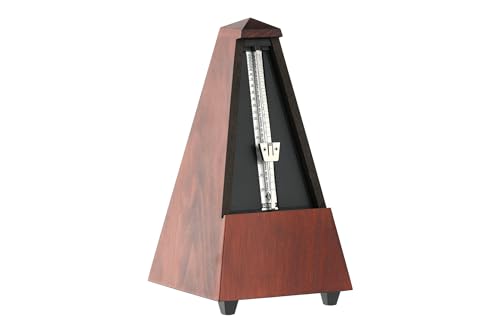
WITTNER Metronome System Maelzel
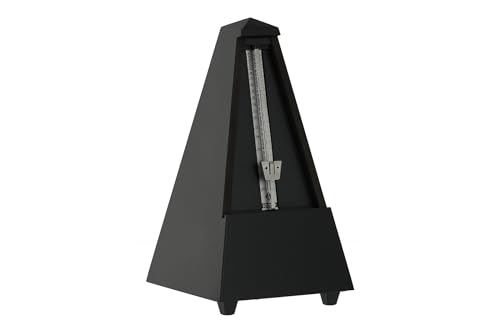
Excellent craftsmanship and the highest grade hardwoods are coupled to produce these wood case models
Global Examples of Polyrhythmic Music
While polyrhythmic music can be found across diverse cultures worldwide, its expression varies greatly, reflecting unique traditions and instruments. In West African music, intricate polyrhythms emerge from the interplay of instruments like the djembe and kora, which often interlock contrasting rhythms. Afro-Cuban genres, such as rumba and salsa, utilize the clave rhythm as a foundational element, allowing for rich rhythmic layers. Indian classical music showcases the tala system, featuring complex polyrhythmic patterns with multiple beats that create nuanced interplay in Carnatic and Hindustani traditions. Similarly, Gamelan music from Indonesia emphasizes interlocking percussion parts, fostering vibrant communal performances. Brazilian samba captures festive energy through diverse instruments like surdos and tamborims, layering different rhythmic elements to create dynamic musical expressions. Maintaining precise timing and rhythm control, similar to adjusting hi-hat pedal tension, is essential for mastering polyrhythmic performances.
Creative Applications of Polyrhythms
Creative applications of polyrhythms offer musicians an exciting avenue to enhance their compositions, inviting complexity without compromising clarity. By layering a basic beat, such as 4/4, with contrasting rhythms, like repeating patterns in threes or sixes, composers can create rhythmic interest that captivates listeners. Artists like Jacob Collier demonstrate this ability, crafting catchy music through interlocking rhythms—such as combining measures of 3, 5, and 7—while keeping the groove engaging. Additionally, incorporating polyrhythmic textures into pop and indie songs, such as a 6/8 loop under a four-measure melody, adds dynamic layers without losing overall coherence. This playful exploration genuinely enriches the songwriting process and encourages artists to experiment, ultimately leading to innovative and memorable musical ideas. The choice of rhythmic and tonal characteristics greatly influences how polyrhythms blend within different musical genres, making depth and texture considerations important for composition.
Resources for Further Learning on Polyrhythms
How can musicians deepen their understanding of polyrhythms? Numerous resources are available to enhance knowledge of this complex rhythmic concept. The Berklee PULSE platform offers interactive modules and free lessons that cover music theory, rhythm, and performance, providing valuable insights into playing polyrhythms. Additionally, the FREE eGuide “Mastering Polyrhythms: 3 Exercises Every Jazz Musician Should Know” presents structured exercises aimed at helping musicians understand and apply these rhythms effectively. Exploration of various cultural practices, such as those found in West African and Indonesian music, can further enrich one’s comprehension. Finally, platforms like the Learn Jazz Standards Inner Circle offer specific materials addressing polyrhythmic challenges, making collaborative exercises with other musicians beneficial for deeper learning and application in performance. Incorporating progressive exercises from specialized drum groove libraries can significantly enhance skill development in mastering polyrhythms.
Recommended Products


Frequently Asked Questions
What Is a Polyrhythm Refer to Multiple Harmonies Played at Once?
A polyrhythm definition centers on contrasting rhythms, not harmony interaction. For instance, a jazz ensemble’s syncopated beats demonstrate rhythmic complexity, enriching musical examples through varied textures that evoke dynamic emotional responses, surpassing simple harmonic layering.
How to Explain Polyrhythms?
Polyrhythms are defined as the simultaneous combination of contrasting rhythmic patterns, contributing to rhythmic complexity. Examples abound in jazz and Afro-Cuban music, highlighting their cultural significance in creating engaging, dynamic musical experiences that resonate deeply with listeners.
What Is Multiple Contrasting Rhythms Occurring at Once?
Simultaneous sounds create syncopated beats and rhythmic complexity through cross-rhythmic patterns. Multiple contrasting rhythms evoke engaging energy by intertwining melodies, fostering a dynamic musical experience that captivates listeners with its intricate interplay and emotional depth.
When Many Rhythms Are Happening Simultaneously, It Is Known as a Monorhythm.?
A monorhythm, defined as the simultaneous playing of identical rhythms, contrasts with polyrhythm by creating musical unity and stability. Rhythm examples include minimalist compositions that emphasize repetitive patterns, often lacking the emotional tension found in polyrhythmic structures.


