As an Amazon Associate, we earn from qualifying purchases. Some links on this site are affiliate links at no extra cost to you. Our recommendations are based on thorough research and editorial judgment.


Optimal Cymbal Stand Placement for Comfort and Speed

Optimal cymbal stand placement enhances a drummer’s comfort and speed. High hats should rest at elbow height, positioned near the snare for fluid shifts. The ride cymbal belongs between 1 and 2 o’clock from the drummer’s seat, ensuring easy access and reduced fatigue. Main crash cymbals should be angled downward and placed above the hi-hat, outside the swing zone of high toms. Accessory cymbals like splashes and chinas should be low and angled for quick playability. There’s much more to evaluate regarding specific placements and adjustments.
Key Takeaways
- Position main crash cymbals above the hi-hat for easy reach and to facilitate smooth transitions between cymbals.
- Keep the hi-hat at elbow height and close to the snare for minimal strain and efficient movement.
- Place the ride cymbal between 1 and 2 o’clock in line with rack toms for optimal accessibility and natural arm positioning.
- Angle crash cymbals downwards and adjust their height to maintain comfort without raising arms above heart level.
- Mount splashes centrally for quick access, while positioning china cymbals further to the sides to avoid interference during play.
Cymbal Placement Goals

You may be interested
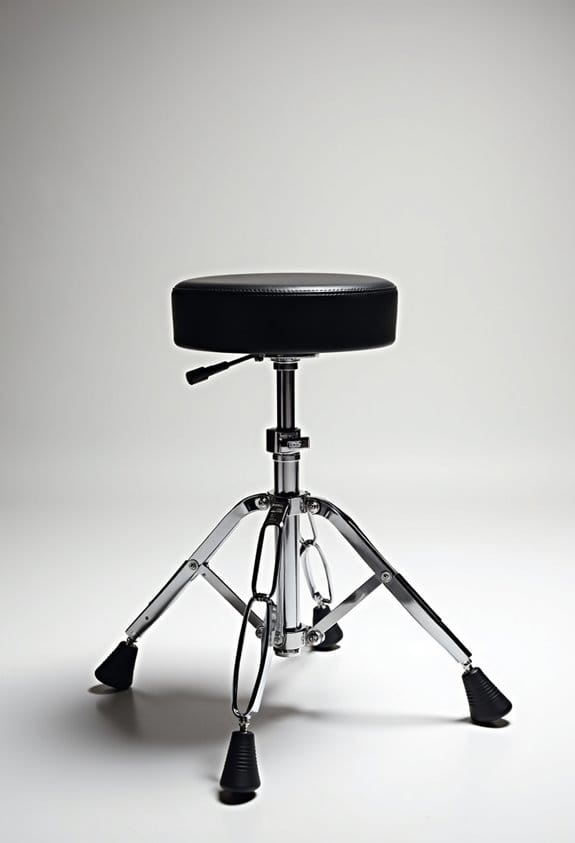
10 Best Adjustable Drum Thrones for Comfort During Long Sessions
December 4, 2025

10 Best Snare Stand Heights for Every Drummer's Comfort
December 4, 2025

Adjusting Your Drum Throne for Maximum Comfort
December 4, 2025
Cymbal placement goals are fundamental considerations for any drummer seeking to optimize their performance. Proper cymbal placement greatly enhances comfort and efficiency in playing, reducing the risk of tension and strain. It is essential to adjust the height, angle, and distance of crash cymbals to guarantee easy access and improve overall control and accuracy. Arranging crash cymbals above the china cymbal allows for smoother changes between hits, important in a fast-paced drumming career. Utilizing ergonomic principles, drummers should avoid positioning cymbals too high, as this can lead to unnecessary arm elevation and fatigue. Angling cymbals effectively not only protects them from stick damage but also minimizes wrist strain, contributing to better playability and extending the lifespan of the cymbals. Choosing stands with adjustable height ranges ensures that cymbals can be positioned precisely for maximum comfort and speed.
Recommended Products

✅These are cool stands because they can also be straight stand or a boom stand, recommended: 14",16",18",20" cymbal.

✔ Suitable for drum hardware percussion mount holder gear set; Brand new and high quality; Recommended: 14",16",18",20" cymbal.

【2Pack Stable Cymbal Stands】The boom cymbal stand is made of high-quality ferroalloy, High hardness, good stability, thickened pipe diameter, bright color, double-braced tripod and enlarged rubber leg added stability which can provide constant support for years to come
Hi-Hat
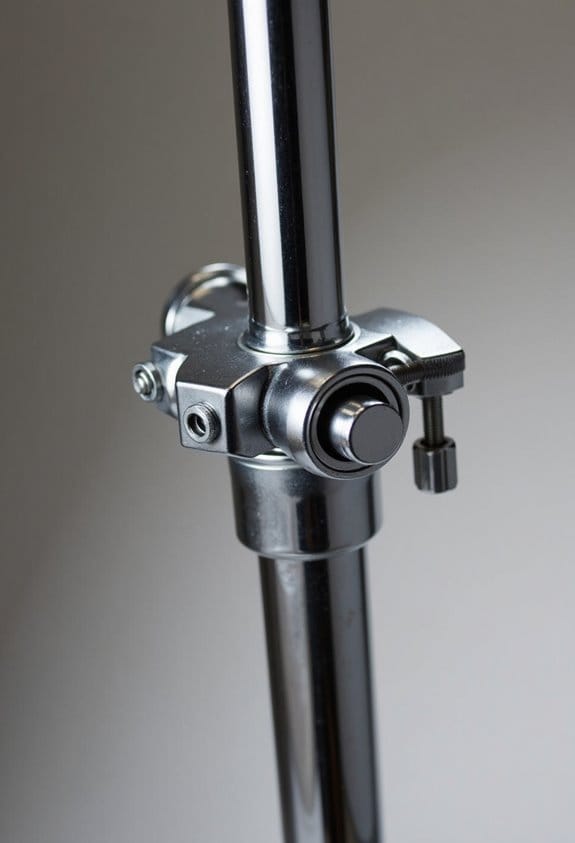
The hi-hat is an essential component of a drummer’s setup, serving both rhythmic and dynamic functions that enhance the overall performance. Proper positioning of the hi-hat at elbow height allows for comfortable movement and minimizes strain during play. Placing it near the snare drum facilitates seamless shifts between various techniques and patterns, improving efficiency. A 2-legged hi-hat stand not only maximizes space but also provides stability, making foot and stick work easier. Additionally, maintaining the hi-hat close to the kick pedal guarantees easy reach, reducing unnecessary arm movement that can lead to fatigue. Finally, securely anchoring the hi-hat stand prevents wobbling, which is vital for maintaining rhythm and comfort during energetic performances. Using a double-braced design for the hi-hat stand can further enhance stability and prevent wobbling under intense play.
Recommended Products

UNLEASH YOUR POTENTIAL: This hi-hat stand is a game-changer for gigging drummers who want to take their performance to the next level.

Quality Metal】The hit hat stand are made of sturdy and stable chromium with shiny plating look.Adjustable spring tension chain drive with smooth pedal action and sensitivity.
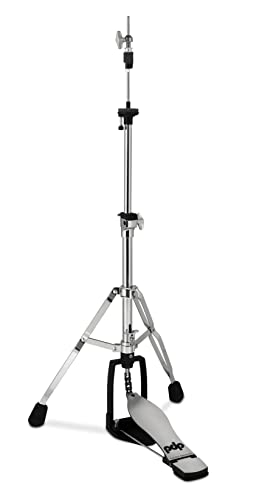
Quick-Release Hi-Hat Clutch
Ride

Positioning a ride cymbal correctly is vital for achieving ideal performance in a drummer’s setup. Ideally, it should be placed between 1 and 2 o’clock relative to the drummer’s seating position. This arrangement reduces wrist strain and enhances accessibility during play. Keeping the ride cymbal at elbow level is important, as it helps maintain a natural arm position, preventing fatigue during extended drumming sessions. A loose mount allows for a full range of motion, promoting comfortable play and facilitating smooth shifts to other cymbals. Additionally, positioning the ride in line with the rack toms enhances quick accessibility, making it easier for drummers to switch between cymbals efficiently. Avoiding obstructions from other equipment guarantees that accessing the ride remains effortless and effective. Choosing a cymbal stand with adjustable height features ensures that the ride can be positioned accurately for maximum comfort and speed.
Recommended Products

1. High performance core functions The double bracket tripod is stable and durable, with anti slip rubber ends tightly attached to the ground to prevent scratches. Even when placed with a 24 inch large cymbal, the cymbal stand remains as stable as a rock.

✅These are cool stands because they can also be straight stand or a boom stand, recommended: 14",16",18",20" cymbal.

✅ Stable Stand -The cymbal stand is made of high-quality stainless steel, with double legs and enlarged rubber feet,which can provide constant support for years to come.
Main Crash Cymbals
Main crash cymbals serve as crucial components in a drummer’s setup, offering explosive sound and dynamic response during performances. For ideal comfort and speed, main crashes should be positioned within easy reach, ideally above the hi-hat and slightly to the side, making changes seamless. Placing the cymbal outside the swinging zone of high toms helps avoid interference when playing fast-paced patterns. Angling the cymbal slightly downward enhances stick contact and overall sound quality, while reducing wrist strain. In addition, mounting it at a height that permits access without raising arms above heart level promotes better blood flow and comfort. Adjusting the distance from the main playing position can greatly improve speed and responsiveness, crucial for energetic drumming styles. Also, proper mounting techniques ensure stability and optimal sound projection for medium crash cymbals.
Recommended Products

【1Pack Stable Cymbal Stand】The boom cymbal stand is made of high-quality ferroalloy, High hardness, good stability, thickened pipe diameter, bright color, double-braced tripod and enlarged rubber leg added stability which can provide constant support for years to come

HOLDS TWO CONCERT CYMBALS UP TO 22 INCHES: Designed to support two suspended concert cymbals up to 22 inches in diameter, this stand is ideal for orchestral, concert band, and percussion ensemble settings where versatility and efficiency are essential.

LIGHTWEIGHT DESIGN: Perfect for drummers on the go, the Gibraltar 4709 Boom Cymbal Stand is crafted with a lightweight build, making it effortless to transport from gig to gig while maintaining robust support for your cymbals.
Splashes and China Cymbals
In the overall arrangement of drum kits, splash and china cymbals play vital roles in enhancing both sound texture and rhythmic possibilities. Splashes, typically situated at the center for quick access, allow drummers to seamlessly switch between cymbals during performances. By placing china cymbals further to the sides, drummers can prevent interference with their main crash cymbals and hi-hats. Proper angling is significant; this guarantees both comfort and ideal playability, as it reduces wrist strain. Additionally, mounting accessory cymbals like splashes low minimizes the need for excessive arm movement, thereby reducing fatigue. Drummers should experiment with various heights to tailor their setup to personal preferences, ultimately fostering a unique playing style that balances comfort with functionality. Considering the distinctive trashy sound and quick decay of china cymbals can help drummers choose optimal placement for maximum effect.
Recommended Products

Package includes 1 cymbal stand holder clamp with L-arm. Solid metal construction with chrome-plated finish providing both durability and a sleek look

EXPAND YOUR CYMBAL SETUP: Easily add more cymbals to your kit without the need for extra stands, maximizing your setup's flexibility while minimizing clutter.

【Premium Material】-- The Facmogu Multi-clamp is constructed from superior stainless steel that resists corrosion and rust well. Whether you play in your bedroom or are continuously playing performances, this multi-clamp will provide you years of trouble-free use.
Frequently Asked Questions
How to Set up a Cymbal Stand?
To set up a cymbal stand, adjust the cymbal height for comfort, verify stand stability, find the ideal angle to enhance accessibility, and maintain drum kit balance for improved setup efficiency during performances.
What Was John Bonham’s Drum Setup?
John Bonham’s drum setup included a 22-inch bass drum, a 14-inch snare demonstrating his powerful technique, and cymbals from Paiste, enhancing his sound. Bonham’s preferred sticks complemented his dynamic playing style and energetic performances.
Why Do Drummers Put Tape Under Their Cymbals?
Drummers employ various tape types to delicately tame cymbal resonance, enhancing sound control according to personal preference. This studio practice cushions the instruments, promoting stability while minimizing unwanted overtones during spirited performances, allowing creativity to flourish.
Why Do Drummers Put Their Cymbals so High?
Drummers elevate cymbals for various reasons, including enhanced sound projection and comfort impact. This height aligns with their playing technique and personal preference, optimizing performance while minimizing physical strain during striking motions.


