As an Amazon Associate, we earn from qualifying purchases. Some links on this site are affiliate links at no extra cost to you. Our recommendations are based on thorough research and editorial judgment.


How to Transition Between Different Time Signatures

Changing between different time signatures requires careful planning and practice. Musicians can use common beats to create smooth shifts, while maintaining a steady pulse is essential to avoid disruption. Incorporating rests allows space for changes, making alterations feel more natural. Understanding how syncopation adds depth can also enhance these shifts. Additionally, varying between gradual and abrupt changes can create emotional impact. Composers can explore contrasting time signatures to enrich storytelling, showcasing innovative musical ideas along the way.
Key Takeaways
- Use common beats as bridge points to facilitate smoother transitions between different time signatures.
- Maintain a consistent tempo throughout changes to avoid rhythmic disruption.
- Incorporate rests and pauses to create natural spaces for transitions.
- Explore both gradual and abrupt shifts for varied expressive effects in compositions.
- Regular practice with a metronome set to different time signatures enhances familiarity and control.
Understanding Time Signatures

You may be interested


Understanding time signatures is essential for anyone looking to deepen their musical knowledge and skills. A time signature indicates both the number of beats per measure and the note value that represents one beat, forming the rhythmic backbone of a musical piece. Common time signatures like 2/4, 3/4, and 6/8 each provide distinct rhythms; for instance, 3/4 often evokes the graceful feel of a waltz, while 6/8 suggests a more energetic momentum. It is vital to differentiate between these signatures, as their beat counts—three in 3/4 versus six in 6/8—dramatically alter a song’s structure and feel. By exploring the emotional and stylistic implications of various time signatures, musicians can more effectively express specific sentiments in their compositions. Mastery of rhythms is often supported by playing on drum kit complete sets designed to enhance timing and coordination across different musical styles.
Recommended Products

TD-07 module with 25 preset kits, 25 user kits, and 143 instruments. V-Edit, EQ, ambience, and 30 multi-effects offer deep editing tools to create your perfect drum kit sounds

Up For Any Battle -An electronic drum set that delivers a superior natural playing experience suitable for beginner and intermediate players
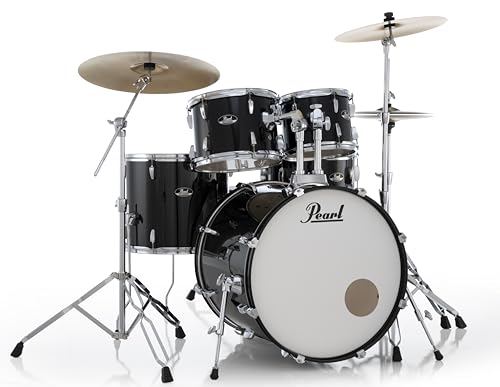
Complete Drum Set -The Pearl Roadshow drum kit comes complete with everything you need to start drumming right out of the box. This set comes with drums, hardware, cymbals, and drum throne. We even throw in sticks and a stick bag to complete the set THis model comes with an extra cymbal stand and upgraded BRD cymbals. 2 pair of maple drum sticks, stickbag and a Pearl Drum poster .
Techniques for Smooth Transitions

Changing smoothly between time signatures requires careful planning and execution, as it can greatly impact the musical flow and overall listening experience. One effective technique for achieving these shifts is utilizing a transition bar, which gradually shifts the metric feel over several beats. This allows musicians to acclimate to different time signatures comfortably. Moreover, incorporating polyrhythms can create interest and help mask abrupt changes. Practicing counting strategies, such as vocalizing beats, aids musicians in anticipating shifts, especially when moving between 4/4 and 3/4. In addition, strategic drum fills or dynamic shifts can serve as pivot points, emphasizing the change while preserving coherence. Most importantly, maintaining a consistent tempo throughout the shift is essential for preventing rhythmic disruption. Using a reliable metronome with adjustable tempo settings can help musicians maintain steady timing during complex transitions.
Recommended Products

Package Dimensions: 23.4 cm (L) X 13.0 cm (W) X 13.8 cm (H)

WITTNER Metronome System Maelzel
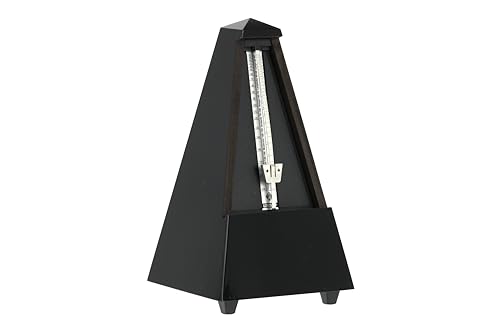
The Package Length of the Product is 23.4 centimeters
Influential Composers and Their Approaches

Many influential composers have explored the intricate world of time signatures in their music, each employing unique approaches that reflect their artistic visions. Olivier Messiaen, for instance, frequently utilized complex rhythms, seamlessly shifting from one time signature to another in works like “Turangalîla-Symphonie.” On the other hand, Igor Stravinsky’s “Rite of Spring” is famous for its sudden shifts that inject narrative tension and primal energy. Similarly, Elliott Carter manipulated altering meters in “Eight Pieces for Four Timpani” to challenge traditional notions of rhythm. Béla Bartók‘s “Mikrokosmos” showcases numerous time signature changes, creating rich textures. Additionally, Alexander Scriabin’s Op. 11, Prelude No. 21 features smooth shifts that heighten emotional expression, illustrating diverse techniques in managing time in music. Understanding how musicians organize changing meters also involves considering the role of ergonomics and stability in performance setups to maintain comfort and precision.
Practical Applications for Musicians
Changing between time signatures presents an array of practical applications that can dramatically influence a musician’s performance and compositional skills. Practicing shifts not only enhances adaptability but also leads to smoother changes in music. Using a metronome set to different time signatures, such as 4/4 or 5/4, allows musicians to maintain consistent tempo and improve timing precision. Additionally, familiarizing oneself with songs like “Take Five” by Dave Brubeck can provide valuable insights into these shifts. Musicians can also explore polyrhythms, where different time signatures are played simultaneously, creating complex sounds that engage listeners. Finally, regularly discussing time signature changes with bandmates fosters communication, ensuring that all musicians stay synchronized during shifts, ultimately leading to a more polished performance. Incorporating interactive features like real-time feedback and visual cues can significantly enhance a musician’s ability to master these transitions.
Recommended Products

Hands-Free Drumming Control – The first-ever drum machine in a pedal format, allowing musicians to control beats live and in real time with physical foot controls.

DigiTech Trio+ Band Creator and Looper Pedal Band Creator Effects Pedal with Automatic Bass and Drum Parts, 12 Genres, 12 Styles, Variable Tempo, Individual Volume Controls, Effects Loop, Looper, SD Card Expansion, 5-part Loop Sequencer Power Supply FS3X Three Function Foot Switch and 4 Cables
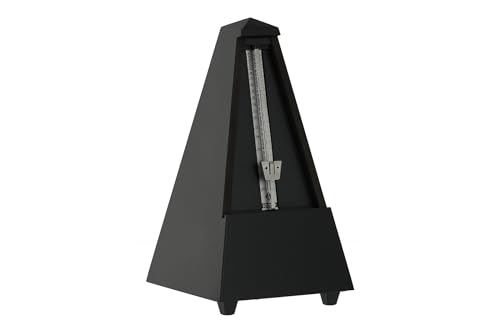
Excellent craftsmanship and the highest grade hardwoods are coupled to produce these wood case models
Emotional and Stylistic Implications of Time Changes
The emotional resonance of music can be intricately shaped by time signature changes, which serve as powerful tools for composers and performers alike. For example, shifting from a stable 4/4 time signature to a flowing 3/4 can evoke nostalgia and romance, reminiscent of waltz music. Odd time signatures, such as 7/8, introduce tension, challenging listeners’ expectations and enhancing engagement. The choice of time signature also influences genre stylistics; a 6/8 signature often creates a dance-like feel, commonly found in folk music. Additionally, variations in time signatures within a piece can signify shifts in mood or narrative direction, enriching the emotional landscape. Therefore, composers strategically employ specific time signatures to reinforce thematic content, heightening emotional contrasts effectively. To effectively master and apply these changes, musicians often turn to drum groove libraries that provide diverse styles and structured learning approaches.
Collaborating With Band Members
Effective collaboration among band members is essential for seamless performances, especially when traversing the complexities of multiple time signatures. Clear communication regarding the intended time signatures promotes synchronization during shifts, ensuring that all musicians are aware and aligned. Regular practice sessions that emphasize changing between these time signatures can greatly enhance familiarity and confidence. Additionally, listening to each other’s sections fosters an understanding of how these shifts impact the overall sound, leading to a more cohesive musicality. Discussing the emotional and stylistic implications of various time signatures further enriches the group’s interpretation, resulting in creatively integrated performances. Visual or auditory cues, like a conductor’s signals or specific drum fills, also help to signal shifts, keeping everyone on track. Using shockproof drum mic clips can improve the clarity of each instrument during practice and live performances, ensuring all members hear the nuances in time signature changes.
Recommended Products

Package Includes: (1) RockvilIe PRO-D7 KIT 7 Mic Drum Kit w/Bass+Snare+Condenser Overhead Microphones. (1) Mackie MP-120 Single Dynamic Driver Professional In-Ear Monitors + Carry Case. Whats Included: (1) Bass drum mic. (4) Snare drum mics. (2) Overhead condenser mics. (7) Mic clips. (1) Aluminum travel/protective case with foam. Manual. Warranty card. Bass Drum Microphone: Steel grill. Aluminum body. Zinc alloy hardware. Fits any mic stands. Anti-wind filter inside the grill

THE ULTIMATE WIRED MICROPHONE IN STAGE PERFORMANCE: Boasting a live, full-range response and a deep bass, this pack of 6 cardioid dynamic microphones offer a smooth and natural sound and will work perfectly for any live music performance: from peaceful parties and jazz clubs to karaoke singing, vocals, recording, podcasting, and loud stages. Their unidirectional design makes them sensitive to sound from one direction only and promises a high level of GBF (gain before feedback).

TRIPOD MIC STAND WITH MIC MOUNT - KEEP YOUR MIC SAFE: Pro-grade stands for microphones offer top quality designed for stage performances, seminar presentations, church sermons, and more. The adjustable microphone stand tripod base is sturdier than a round base and harder to tip over. The lighter weight of the tripod base will help keep your wires from the damage caused by a heavy mic stand accidentally placed on top of the wire. Each studio mic stand will also have slip-resistant rubber feet.
Tools for Mastering Transitioning Techniques
Mastering the intricacies of shifting between time signatures requires not just practice, but also a suite of tools that can facilitate understanding and execution. Utilizing drum notation software allows musicians to visualize and rehearse various time signature shifts, enhancing comprehension of rhythmic structures. Online resources and video tutorials specifically focused on time signature changes can provide both theoretical insights and practical skills. Investing in a metronome equipped with time signature features guarantees consistent tempo during practice sessions. Additionally, studying composers like Bartók and Stravinsky exposes learners to effective change techniques. By incorporating rudiments and polyrhythms into practice, musicians develop the flexibility essential for seamless changes between contrasting time signatures, ultimately broadening their rhythmic proficiency. Supplementing practice with progressive structured lessons ensures a gradual skill buildup and better mastery of complex transitions.
Recommended Products

Quality piano performance and onboard practice features in an affordable, space-saving instrument

Hands-Free Drumming Control – The first-ever drum machine in a pedal format, allowing musicians to control beats live and in real time with physical foot controls.

True-to-Feel Mesh Electronic Drum Pads-Mesh pads restore realistic acoustic drum bounce and touch, which are much quieter than rubber pads. It provides stable playing response, perfect for apartment and late-night quiet practice without disturbing neighbors.
Frequently Asked Questions
How to Transition Between Key Signatures?
To shift between key signatures, one can employ harmonic techniques such as pivot chords, common tones, and strategic cadences. These methods facilitate smoother modulation while enhancing thematic continuity between the original and target keys.
How to Transition From Key of C to D?
In a musical landscape akin to a jazz club, shifting from C to D involves leveraging chord progressions like G major, utilizing pivot chords, and incorporating dynamic shifts for an engaging auditory journey that captivates listeners.
Why Is It 6 8 and Not 3/4?
The preference for 6/8 over 3/4 often arises from time complexity; 6/8 offers greater rhythmic drive and momentum through its triplet subdivisions, enhancing the music’s energy, while 3/4 tends to evoke a more lyrical expression.
How to Tell if a Song Is in 2 2 or 4 4?
In the rhythmic dance of music, discerning whether a song sways in 2/2 or 4/4 requires keen ear and heart. Meter dynamics reveal themselves through pulse patterns: two strong beats evoke urgency, while four provide stability.


