As an Amazon Associate, we earn from qualifying purchases. Some links on this site are affiliate links at no extra cost to you. Our recommendations are based on thorough research and editorial judgment.


How to Practice Quietly With Silent Drum Pads

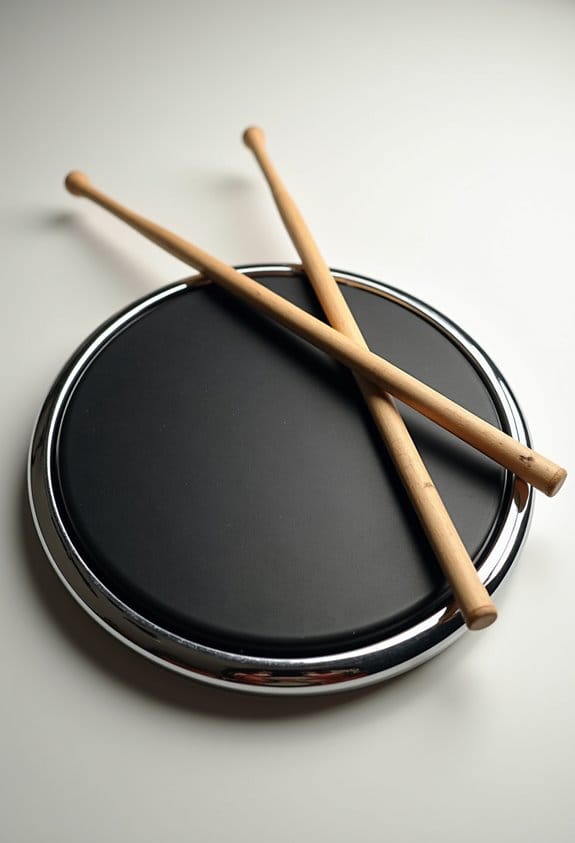
To practice quietly with silent drum pads, drummers should choose pads made from rubber or foam, which absorb noise while simulating the feel of real drums. Selecting pads between 12-14 inches allows for a more authentic playing experience. Additionally, combining these pads with sound-dampening techniques, like rubber mutes and heavy blankets, can further reduce noise. Using closed-back headphones enhances focus and helps maintain timing. For more effective tips and methods, exploring different practice techniques can be beneficial.
Key Takeaways
- Utilize quality silent drum pads made from rubber or foam to absorb sound and mimic the feel of acoustic drums while practicing quietly.
- Pair silent drum pads with low-volume cymbals to create a comprehensive setup that minimizes noise during play.
- Enhance soundproofing at home using rugs, acoustic panels, and isolation pads under drums to reduce sound transmission further.
- Incorporate closed-back headphones to isolate sound and immerse yourself in metronomes or tracks, allowing focused, distraction-free practice.
- Engage with the drumming community through workshops and online forums to share tips and techniques for effective quiet practice methods.
You may be interested


Recommended Products

Flagship stereo keyboard amplifier with 320 watts of power

【Intuitive 7-Inch Touch Screen】Experience seamless control with a user-friendly 7-inch touch screen designed for easy navigation, mimicking tablet operation—no learning curve required!

Compact and versatile keyboard amplifier with 200 watts of power
Understanding Silent Drum Pads

Silent drum pads, often regarded as essential tools for aspiring drummers, serve an important role in modern practice routines. These innovative practice pads are designed to minimize noise while offering a surface that resembles traditional acoustic drums. With a rubber or foam construction, silent drum pads absorb impact sounds and provide adequate rebound, allowing for comfortable playing. They typically range from 10 to 14 inches in diameter, with larger sizes enabling a more realistic stick response. Versatile in nature, many pads can be easily attached to stands, and can be paired with foot pedals for kick drum practice. This makes them perfect for quiet practice sessions, especially in indoor environments or apartments, where sound control is significant for maintaining peace with neighbors. Many models also include adjustable stand functionality, enhancing comfort and versatility during practice.
Choosing the Right Practice Tools

When selecting practice tools for drumming, it is essential to evaluate options that will enhance the learning experience while minimizing noise. A practice pad, especially those sized 12–14 inches in diameter, provides an effective surface that closely replicates the feel of real drums without the loud sounds. Additionally, sound-off pads are an excellent choice for toms, delivering a realistic feel while keeping volume low. For a complete setup, using a practice pad kit with adjustable tripod mounts can simulate a full kit experience quietly. Pairing low-volume cymbals with acoustic setups further decreases sound levels. Combining various options such as rubber pads, sound-off pads, and mesh heads allows drummers to customize their practice tools to suit personal preferences and needs. Mesh drum heads, with their sound output reduction capabilities of up to 80%, offer an excellent solution for quiet practice environments.
Recommended Products

QUIET DESIGN: The Roland VQD106 is crafted with advanced materials to reduce noise by 75%, making it ideal for quiet practice with pad strikes as quiet as normal conversation

Revolutionary electronic drum kit with ultra-quiet noise performance for home playing
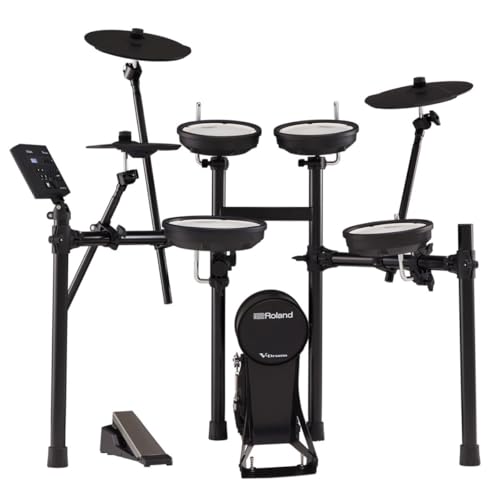
Conveniently compact and ideal for drumming at home, the TD-07KV V-Drums kit delivers the superior expression and playability of high-end V-Drums in a budget-friendly package.
Effective Sound Dampening Techniques

Effective sound dampening techniques are essential for any drummer looking to practice quietly without sacrificing the experience. One effective approach involves utilizing heavyweight blankets or specialized sound-absorbing materials draped over the acoustic kit, markedly reducing noise. Incorporating sound-off pads and mutes can efficiently lower volume while maintaining a realistic playing feel. In addition, layering diverse sound-dampening materials, such as pillows and foam pads, enhances noise reduction during practice. Installing rubber cymbal mutes and practice pads on the existing kit allows for quieter play, ensuring the drummer’s focus remains intact. For an even quieter overall sound, practicing on a kit equipped with mesh heads and low-volume cymbals is highly recommended, presenting an excellent combination of strategies for achieving the best sound dampening. Using double-layer mesh heads can further enhance noise reduction while maintaining a natural rebound and feel.
Recommended Products

DESIGN – 6-panel acrylic enclosure with interlocking panel structure

Pre-loaded with 500 one-shot sampled sounds, including tones recorded at world-class studios

High carbon steel shells with antique bronze finish, 14-Inch & 15-Inch diameters, 6-1/2 inches deep
Incorporating Headphones for Enhanced Focus
Utilizing headphones has revolutionized how drummers practice, especially on silent drum pads. Closed-back headphones effectively isolate the drummer from external distractions, allowing greater focus while providing a quiet environment. By integrating a metronome or play-along tracks, drummers can refine their timing and rhythm without interference from ambient noise. High-quality headphones enhance sound isolation, which enables musicians to detect subtle nuances in their playing, contributing to improved control and dynamics on the pads. This setup allows drummers to practice at any time without disturbing others, making it ideal for those in shared living spaces. Research shows that using headphones during practice can boost engagement and motivation, leading to more productive sessions and skill development. Additionally, choosing practice pads with noise reduction features further complements headphone use by minimizing external sound distractions.
Recommended Products

Complete Percussion Experience - Professional 8-piece electronic drum set with ultra-quiet Alesis mesh heads, revolutionary Drum Module with Bluetooth & built-in industry-leading BFD drum sounds

Personalized listening experience uses in-app customization to map your individual hearing and tailor the audio to your perfect mix

Closed dynamic headphone
Creating a Soundproof Practice Space
Creating a soundproof practice space is essential for any drummer looking to refine their skills without disturbing others. Effective soundproofing techniques, such as installing acoustic panels on walls and ceilings, can greatly reduce sound frequencies, creating a more isolated environment. Additionally, adding heavy rugs or carpets to the floor further diminishes sound transmission and absorbs vibrations that can resonate through the building structure. Sealing gaps around windows and doors with weather stripping or soundproofing foam helps block external noise and prevents sound leakage. Incorporating isolation pads under each drum can also absorb vibrations, lowering sound output. Finally, choosing a space away from shared walls or busy areas guarantees drummers can practice freely, enhancing focus and minimizing disturbances for others. Using high NRC-rated acoustic foam panels can significantly improve echo reduction and overall sound absorption in the practice room.
Recommended Products

Get everything you need in one box, and start recording straight away
Battle Mode Console

EIGHT PACK. This bundle contains 8 x sound absorbing corner blocks. Each corner block made from professional acoustic foam in charcoal color. Use these corner blocks in combination with our acoustic panels to create an amazing sounding room!
Combining Different Practice Methods
Once a soundproof practice space has been established, drummers can explore various methods to enhance their practice sessions. Combining a practice pad with low-volume cymbals allows musicians to enjoy the feel of drumming while minimizing noise. Using sound-off pads on toms, along with mesh drumheads on a bass drum, guarantees a quieter setup that remains expressive. Layering heavyweight blankets over traditional Quiet Drum Kits and incorporating rubber mutes can further optimize sound dampening. Additionally, experimenting with e-kits, practice pads, and traditional techniques offers a personalized approach to Silent Practice, catering to individual preferences. Using brushes or rods instead of standard sticks, alongside a quiet practice pad, helps develop dynamic control while drumming without excessive sound output. For those incorporating technology, installing high sensitivity drum trigger sensors can enhance response and maintain expressiveness even during quiet practice.
Short and Effective Practice Routines
To achieve effective progress in drumming practice, incorporating short, focused routines can be immensely beneficial. A daily practice routine of 15-20 minutes allows for maximum efficiency while utilizing silent drum pads. Begin with groove warm-ups for 3 minutes, focusing on 8th-note patterns that accentuate different beats to sharpen rhythm skills. Next, dedicate 4-5 minutes to stick control exercises, including rudiments like singles, doubles, and paradiddles, all at a consistent tempo to guarantee even stick height. Following that, 4-5 minutes should be spent on time dynamics, playing grooves with varying dynamics and introducing fills to enhance timing. Finally, conclude with 3 minutes of quiet play-alongs using headphones, seamlessly integrating drumming skills with music while minimizing sound disturbance. Using drum silencer pads can significantly reduce noise so you can practice anytime without disturbing others.
Engaging With the Drumming Community
Engaging with the drumming community can be a transformative experience for any drummer, especially those utilizing silent drum pads in their practice routines. By joining local or virtual groups, drummers can participate in community workshops that often showcase demonstrations of various drum pads and electronic kits. These gatherings allow drummers to try different products, exchange tips, and collaborate on silence-reducing strategies suited to their individual needs. Additionally, many online forums and social media platforms foster discussions about quiet practice methods, providing valuable drum lessons and insights. Engaging with others not only enriches a drummer’s understanding but also promotes a supportive environment that nurtures innovation in quiet practice techniques, ensuring a well-rounded development in their drumming journey. Many models also feature LED lights and recording/playback options that enhance practice sessions with electronic feedback.
Frequently Asked Questions
Is There a Way to Practice Drums Quietly?
Quiet drumming equipment, such as soundproof practice spaces, enhances silent practice techniques. Drummers can also explore practicing mindfulness drumming with brushes or rods to further reduce noise while enhancing their skills effectively during practice sessions.
How to Make a Practice Pad Quieter?
To make a practice pad quieter, one can explore silent drum options, implement noise reduction techniques, create a soundproof practice space, and utilize muffling drumsticks, enhancing the overall practice experience while minimizing sound disturbance.
What Is the 80/20 Rule in Drumming?
In the dynamic world of drumming, the 80/20 rule serves as a compass; effective exercises and focused practice routines emphasize core drumming techniques. By reducing noise and distractions, drummers reveal substantial improvements in skill and artistry.
How to Get a Drummer to Play Quieter?
To encourage a drummer to play quieter, recommend drum technique adjustments, utilize sound dampening materials, implement practice environment changes, and explore ear protection options to foster a more controlled and considerate playing style.