As an Amazon Associate, we earn from qualifying purchases. Some links on this site are affiliate links at no extra cost to you. Our recommendations are based on thorough research and editorial judgment.


5 Best Drum Trigger Sensors That Enhance Your Performance Instantly

The five best drum trigger sensors include the Piutouyar 20 Pack Piezo Discs, known for their easy installation and 5.8 kHz frequency; the brass 15Pcs 20mm Piezo Discs, perfect for acoustic instruments; the DZS 15PCS with a 1.8 kHz frequency and TRS connector; the versatile 20PCS 27mm Piezoelectric Sounder; and the 10PCS 41mm for percussion. Each model boasts unique specs and applications, ensuring you capture every sound nuance. Stick around to explore detailed features and benefits!
Key Takeaways
- High Sensitivity: Choose sensors with higher sensitivity values to capture subtle tones, enhancing the expressiveness of your drumming performance.
- Optimal Resonant Frequency: Select piezo discs with a resonant frequency around 5.8 kHz for effective sound nuance reproduction across different drum tones.
- Pre-Wired Convenience: Opt for pre-wired sensors to simplify installation and maintain consistent audio quality without extensive soldering.
- Flexible Lead Lengths: Look for sensors with appropriate lead lengths for easy positioning, ensuring versatility in setup without compromising sound quality.
- Durable Materials: Consider sensors made from robust materials like brass or ceramic for longevity and consistent performance under various playing conditions.
| Piutouyar 20 Pack Piezo Discs with Leads | 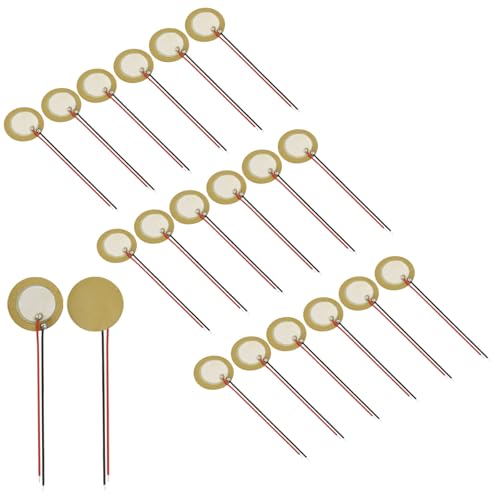 | Best Value | Quantity: 20 pieces | Lead Length: 58.5mm / 2.3 inches | Resonant Frequency: 5.8 +/- 0.7 kHz | VIEW LATEST PRICE | Read Our Analysis |
| 15Pcs 20mm Piezo Discs for Guitar Pickup | 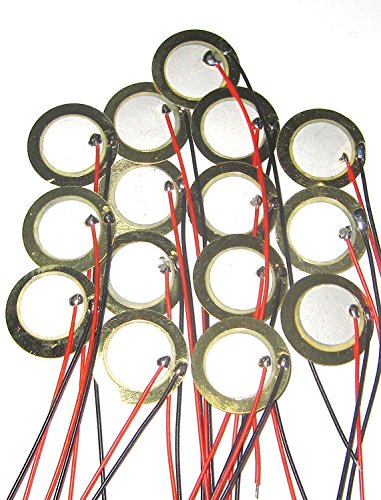 | Top Performer | Quantity: 15 pieces | Lead Length: 100mm / 3.94 inches | Resonant Frequency: 5.6 +/- 0.5 kHz | VIEW LATEST PRICE | Read Our Analysis |
| DZS 15PCS Piezo Disc Transducer Sound Sensor |  | Best for DIY | Quantity: 15 pieces | Lead Length: 10 cm / 3.94 inches | Resonant Frequency: 1.8 +/- 0.3 kHz | VIEW LATEST PRICE | Read Our Analysis |
| 20PCS 27mm Piezoelectric Sounder Sensor Trigger Disc |  | Versatile Option | Quantity: 20 pieces | Lead Length: 60mm | Resonant Frequency: Not specified | VIEW LATEST PRICE | Read Our Analysis |
| 10PCS 41mm Piezo Disc Transducer Microphone Sensors | 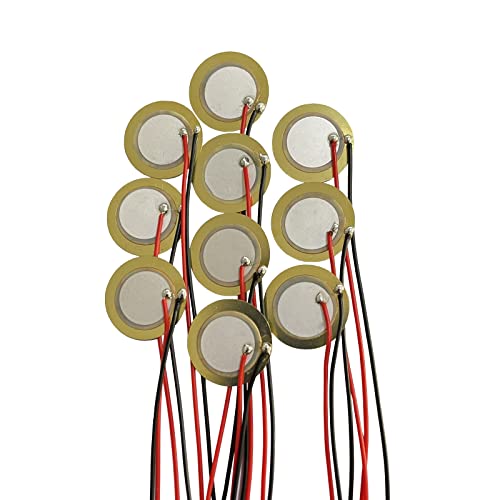 | Ideal for Beginners | Quantity: 10 pieces | Lead Length: 10 cm / 3.94 inches | Resonant Frequency: 3.0~5.0 ± 0.5 kHz | VIEW LATEST PRICE | Read Our Analysis |
You may be interested


More Details on Our Top Picks
Piutouyar 20 Pack Piezo Discs with Leads
If you’re an aspiring musician looking to experiment with sound, the Piutouyar 20 Pack Piezo Discs with Leads is a fantastic choice for versatile drum triggering. Each 20mm piezo disc is pre-wired for easy installation, making it simple to add them to acoustic pickups or create foot stompers. With a resonant frequency of 5.8 +/- 0.7 kHz, you’ll experience exceptional audio output. These discs are crafted from brass and ceramic, providing durability and long-lasting performance. Their high sensitivity and low power consumption make them perfect for touch sensors or electronic drum triggers, so you can release your creativity without limits.
- Quantity:20 pieces
- Lead Length:58.5mm / 2.3 inches
- Resonant Frequency:5.8 +/- 0.7 kHz
- Material:Brass and ceramic
- Applications:Acoustic pickups, foot stompers, contact microphones
- Durability:Temperature resistant
- Additional Feature:Easy installation process
- Additional Feature:Suitable for hobbyists
- Additional Feature:Exceptional audio output
15Pcs 20mm Piezo Discs for Guitar Pickup
For musicians seeking a reliable solution to enhance their acoustic sound, the 15Pcs 20mm Piezo Discs for Guitar Pickup stand out as a top choice. These discs, with a brass outer diameter of 20mm, are designed to produce exceptionally clear sound. Thanks to their resonant frequency of 5.6 +/- 0.5 kHz, they’re perfect for acoustic instruments like guitars and CBGs. The 100mm leads make installation simple, whether you’re using them in stomp boxes or contact microphones. Versatile and durable, these piezo discs can elevate your performance across various setups, giving you the quality sound you need for your music.
- Quantity:15 pieces
- Lead Length:100mm / 3.94 inches
- Resonant Frequency:5.6 +/- 0.5 kHz
- Material:Brass
- Applications:Acoustic instruments, stomp boxes, contact microphones
- Durability:Durable
- Additional Feature:Clear sound production
- Additional Feature:Versatile acoustic setups
- Additional Feature:Ideal for stomp boxes
DZS 15PCS Piezo Disc Transducer Sound Sensor
The DZS Elec 15PCS Piezo Disc Transducer Sound Sensor stands out as an exceptional choice for musicians and audio enthusiasts seeking reliable and versatile drum trigger sensors. Weighing only 0.03 kg and featuring a brass plate material, these sensors boast a resonant frequency of 1.8 kHz. With a static capacitance of 50,000 PF and a lead length of 10 cm, they’re perfect for a range of applications. You can use them in DIY projects, drum triggers, contact microphones, and even as pickups for instruments like cigar box guitars. Their 1/4 TRS connector guarantees easy connectivity, making them a must-have for anyone serious about sound.
- Quantity:15 pieces
- Lead Length:10 cm / 3.94 inches
- Resonant Frequency:1.8 +/- 0.3 kHz
- Material:Brass
- Applications:DIY projects, contact microphones, drum triggers
- Durability:Not specified
- Additional Feature:Portable and rechargeable
- Additional Feature:Ideal for gaming applications
- Additional Feature:Boundary microphone form factor
20PCS 27mm Piezoelectric Sounder Sensor Trigger Disc
When it comes to versatile sound triggering in electronic projects, the PCS 27mm Piezoelectric Sounder Sensor Trigger Disc stands out as an ideal choice for both hobbyists and professionals alike. With twenty piezo elements each featuring a generous 60mm wire length, you’ll find this set incredibly flexible for various applications. The 27mm size strikes a balance between sensitivity and space, allowing easy integration into your projects. These sensors serve not just as sounders but also perform excellently as piezo pickups, letting you explore countless sonic landscapes. Whether you’re designing drum triggers or experimenting with sound, these sensors can elevate your work remarkably.
- Quantity:20 pieces
- Lead Length:60mm
- Resonant Frequency:Not specified
- Material:Copper
- Applications:Sounder sensor, piezo pickup
- Durability:Not specified
- Additional Feature:Acts as sounder sensor
- Additional Feature:Copper wire material
- Additional Feature:Suitable for electronic projects
10PCS 41mm Piezo Disc Transducer Microphone Sensors
Discovering the ideal solution for your percussion needs, the PCS 41mm Piezo Disc Transducer Microphone Sensors offer a versatile option for both aspiring musicians and seasoned players alike. With ten sensors included, these contact microphones are perfect for acoustic instruments, drum triggers, and even homemade projects. Their resonant frequency ranges from 3.0 to 5.0 KHz, ensuring high sensitivity and responsiveness, while their durable construction means they withstand various conditions. Pre-wired for easy installation, you’ll find them compatible with foot stompers and more. Whether you’re crafting your sound or amplifying your performance, these sensors certainly enhance your musical journey.
- Quantity:10 pieces
- Lead Length:10 cm / 3.94 inches
- Resonant Frequency:3.0~5.0 ± 0.5 kHz
- Material:Brass and ceramic
- Applications:Acoustic instruments, electronic drum triggers
- Durability:Temperature resistant
- Additional Feature:Low power consumption
- Additional Feature:Stable temperature resistance
- Additional Feature:Compatible with various electronics
Factors to Consider When Choosing a Drum Trigger Sensor

When you’re choosing a drum trigger sensor, there are several important factors you should think about to guarantee you get the best performance. You’ll want to contemplate things like sensitivity and frequency response, as these affect how accurately the sensor captures each hit. Additionally, lead length, material durability, and installation ease can influence how well the sensor fits into your setup and how long it lasts, so keep those in mind as you make your decision.
Sensitivity and Frequency Response
Sensitivity and frequency response are two crucial factors you’ll want to take into account when choosing a drum trigger sensor. Sensitivity refers to the sensor’s ability to detect light strokes with precision, which is essential for dynamic playing styles. If you’re aiming for expressive sound reproduction, look for higher sensitivity values that capture even the subtlest nuances of your performance. On the other hand, the sensor’s resonant frequency, typically ranging from 1.8 kHz to 5.8 kHz, affects its responsiveness to different sound waves. A broader frequency response range enables the sensor to accurately reproduce various drum tones. Choosing the right balance of sensitivity and frequency response can greatly enhance your overall sound quality, whether you’re playing live or recording.
Lead Length Considerations
Lead length is a vital aspect to evaluate when selecting a drum trigger sensor, as it directly impacts installation and performance flexibility. Typically, piezo disc sensors feature lead lengths ranging from 58.5mm to 100mm. If you’re working in tight spaces, shorter leads around 10 cm can fit perfectly, allowing for compact setups. However, for more extensive configurations, longer leads might be necessary to maintain distance from the sound source. A lead length of 2.3 inches (58.5mm) usually suffices for many applications without creating a wiring mess. Keep in mind that longer leads can introduce signal loss due to increased resistance, potentially affecting your sound quality. Pre-wired options often come with optimized lengths, making installation simpler and enhancing your overall performance.
Material Durability
Selecting the right drum trigger sensor requires careful consideration of material durability, as the choice of materials greatly influences the sensor’s lifespan and performance. You’ll want to examine the common materials used, such as brass and ceramic, which are known for their durability and temperature resistance. These materials not only resist wear and tear but also help maintain sound quality and consistency over time. Additionally, the resilience of these materials can impact sensitivity and overall audio output, ensuring the sensor withstands frequent vibrations without degradation. By choosing high-quality materials in your drum trigger sensor, you guarantee reliable and exceptional performance in various acoustic setups and environments, allowing you to focus on enhancing your drumming experience.
Easy Installation Features
When you’re diving into the world of drum trigger sensors, it’s essential to prioritize easy installation features, since they can save you both time and effort. Look for sensors that come pre-wired, which simplifies setup and cuts down on the need for any extensive soldering. Take a moment to reflect on lead length; options typically range from 2.3 inches to 10 cm, making it easier to connect to your drum. Choose piezo disc sensors that quickly integrate into various setups like foot stompers, enhancing your usability. Additionally, select durable materials like brass or ceramic for better longevity. Finally, opting for sensors that indicate their resonant frequency helps you achieve peak sound quality with your acoustic instrument.
Versatility in Applications
As you explore drum trigger sensors, it’s vital to recognize their versatility in applications, which can expand your musical creativity and enhance your gear setup. These sensors work seamlessly with acoustic instruments, electronic drum setups, and even contact microphones, allowing you to capture sound nuances effectively. Highly sensitive piezo discs, especially those resonating around 5.8 kHz, excel in picking up subtle tones. Additionally, certain models double as touch sensors, perfect for DIY projects like cigar box guitars or homemade speakers. Their flexible configurations make integration into stomp boxes and foot-triggered devices effortless, while their portability guarantees you can use them in various locations without worrying about power sources. This adaptability makes them an important tool for any musician.
Power Consumption Efficiency
How can you guarantee that your drum trigger sensor not only delivers superb sound quality but also remains energy-efficient? First, consider sensors with low power consumption—higher sensitivity usually means lower power needs. For instance, many piezo disc sensors excel in this area, making them ideal for DIY and portable setups. Pay attention to the resonant frequency of the sensor, which plays a vital role in efficiently converting power into sound. Additionally, the materials used, like brass or ceramic, can influence both power use and your sensor’s durability. Finally, selecting pre-wired sensors simplifies installation and helps maintain low power consumption by reducing resistance. Prioritize these factors to guarantee your drum trigger sensor operates effectively, enhancing your performance without wasting energy.
Size and Shape Compatibility
Selecting the right size and shape for your drum trigger sensors is essential to achieving ideal performance, especially since a perfect fit enhances sensitivity and sound quality. Make certain the sensors you choose are compatible with your drums or instruments, as this guarantees proper contact. Common sizes like 20mm and 27mm cater to various setups. Don’t overlook the lead length, either; longer leads provide flexibility in positioning, which can be a game changer. Additionally, consider the sensor shape—circular disks tend to fit better on curved drum surfaces, facilitating easier mounting. Confirming a snug fit within the designated area optimizes performance and responsiveness to vibrations, leading to a better overall drumming experience.
Frequently Asked Questions
Can I Use Drum Trigger Sensors With Any Drum Kit?
Yes, you can use drum trigger sensors with most drum kits, but compatibility varies. If you’ve got acoustic drums, you’ll need to mount the sensors on the drumheads securely. Electronic kits typically work seamlessly with these triggers since they’re designed for electronic sounds. Make sure to check the specifications of the triggers and your drum kit, as some models might require special adapters or additional software to function properly, ensuring peak performance.
How Do I Install Piezo Discs on My Drums?
To install piezo discs on your drums, first, you’ll need to choose the right spot, usually near the drumhead’s center. Clean the area, then adhere the disc using double-sided tape or hot glue. Next, connect the wires from the piezo disc to your drum trigger module. Make sure your connections are secure. After that, test the setup by striking the drum and adjusting the sensitivity on your module for ideal performance.
Do Drum Trigger Sensors Affect Shell Resonance?
Yes, drum trigger sensors can affect shell resonance. When you install them, they change how sound waves interact with the drum shell. Trigger sensors capture vibrations more directly, bypassing some of the natural resonance produced by the drum itself. This results in a tighter sound, which some players prefer for precision. However, if you enjoy the warmth and depth of your drum’s natural tone, consider how the triggers might alter that experience before installation.
Can I Use Multiple Sensors on One Drum?
Yes, you can use multiple sensors on one drum! Imagine the rich layers of sound that emerge when you place a couple of triggers strategically on the snare. Each sensor captures different nuances, creating a unique tonal experience. Just make certain they’re spaced properly to avoid interference. This setup can enhance your performance, providing greater control over your sound, allowing you to mix and match tones for a truly versatile drumming experience.
How Do I Troubleshoot My Drum Trigger Sensors?
To troubleshoot your drum trigger sensors, start by checking your connections; verify all cables are secure and undamaged. Test the sensors individually, tapping them with a drumstick to confirm they respond. If there’s a weak signal, adjust the sensor’s position for better contact. Additionally, inspect your settings on the trigger module, verifying there’s no excessive sensitivity or unwanted triggers. Finally, consult the user manual for troubleshooting tips specific to your sensor model.


