As an Amazon Associate, we earn from qualifying purchases. Some links on this site are affiliate links at no extra cost to you. Our recommendations are based on thorough research and editorial judgment.


How to Practice Drums Silently in Apartments

To practice drums silently in apartments, drummers can utilize practice pads and low-volume cymbals, which greatly reduce noise levels. Electronic drum kits are ideal, especially with headphones. Incorporating drum mutes or smaller bass drums can further minimize sound. To enhance soundproofing, using puzzle mats, acoustic panels, and heavy rugs is effective, as these absorb vibrations. Regular communication with neighbors also fosters a cooperative atmosphere. Exploring these methods leads to more satisfying and considerate drumming experiences at home.
Key Takeaways
- Use practice pads and low volume cymbals to significantly reduce noise while mimicking the feel of a drum set.
- Schedule practice during daytime hours and communicate with neighbors to minimize disruptions.
- Utilize drum mutes and smaller diameter bass drums to further decrease overall sound levels during practice.
- Incorporate soundproofing measures like acoustic panels, heavy rugs, and vibration-absorbing mats under your drum kit.
- Experiment with dampening materials such as gel pads and soft beater alternatives to control sound output effectively.
Strategies for Quieter Drumming Practice

You may be interested


When seeking to practice drums quietly, drummers can explore various effective strategies that balance skill development with the need for discretion. Starting with a practice pad is advisable, as this allows for mimicking the feel of a drum set while greatly reducing noise levels, making it ideal for apartment living. Additionally, utilizing low volume cymbals can dramatically decrease sound output during practice, preserving technique without alarming neighbors. Electronic drum kits are also an excellent choice, producing minimal acoustic noise while enabling the use of headphones for a more intimate practice experience. For those maintaining acoustic drums, incorporating drum mutes or foam pads can lower volume by up to 95%, enhancing overall quiet drum practice without sacrificing progress. Selecting a bass drum with a smaller diameter, such as an 18- to 20-inch drum, can also help reduce sound levels while maintaining a punchy and sharp attack suited for confined spaces.
Scheduling and Space Considerations

To guarantee effective drumming practice, proper scheduling and space considerations are paramount, especially in an environment shared with others. Drummers should optimize their practice routine by selecting daytime hours when neighbors are less likely to be home, thereby minimizing disturbances. To enhance low-volume practice, creating a well-soundproofed space is vital; this can be achieved by installing acoustic panels, sealing any gaps, and laying down heavy rugs to absorb sound effectively. Additionally, for those seeking professional environments, renting rehearsal spaces designed for loud instruments can be a practical alternative. Communication with neighbors is essential, as discussing your practice schedule can foster mutual understanding, helping to maintain a considerate atmosphere while pursuing drumming goals. Using specialized drum isolation platforms can also significantly reduce noise and vibrations, improving sound control in shared living spaces.
Importance of Control and Technique
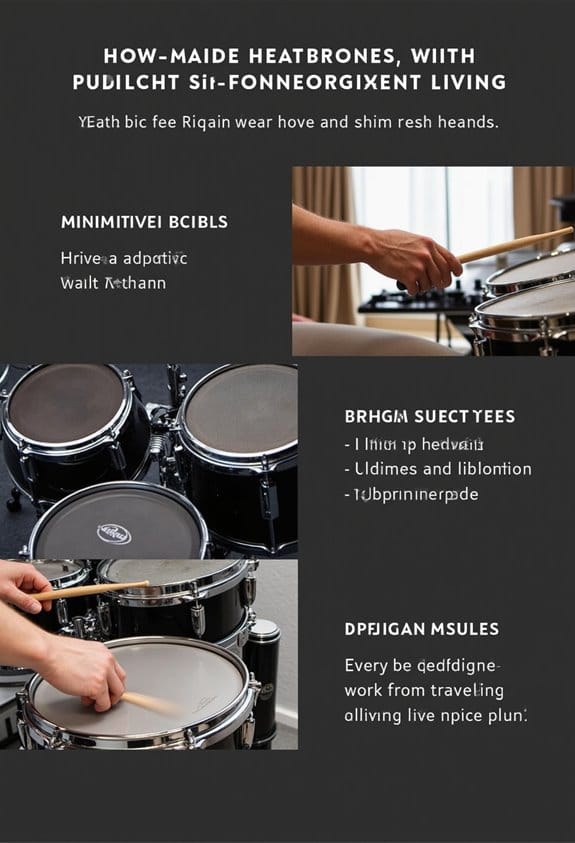
Effective control and technique are fundamental pillars of drumming that enhance a drummer’s overall proficiency and musical expression. Practicing quietly on a practice pad, for instance, allows drummers to focus on cultivating dynamics, emphasizing subtle touches and precise articulation. This disciplined approach during practice sessions fosters rhythm and accuracy without relying on volume, something vital for effective performance. Utilizing softer implements, such as brushes or rods, retains the authentic feel of drumming while minimizing noise. Engaging in mindful snare work enables drummers to explore musical phrasing, enhancing their understanding of dynamics across various styles. In turn, this quiet practice nurtures a drummer’s technical skill set, ensuring they are well-prepared for diverse musical interactions, making every note count. Choosing a drum practice pad with noise reduction features can significantly improve the quality of silent practice sessions.
Commitment to the Drumming Community
Commitment to the drumming community fosters an invaluable sense of belonging and mutual support among musicians at all levels. By sharing resources and knowledge, drummers can practice without disturbing neighbors, thereby keeping the peace in their living environments. Collaboration among musicians enables the exchange of techniques, encouraging respect for shared spaces while honing individual skills. Online platforms serve as essential avenues for drummers to connect, facilitating collective growth through shared experiences. In addition, attending workshops and clinics focused on quiet practice techniques can enhance awareness and strengthen camaraderie among participants. Ultimately, this commitment not only benefits drummers but also cultivates positive relationships with neighbors, creating a harmonious atmosphere that allows musicians to thrive in their craft while being considerate. Utilizing silent drum practice tools is key to maintaining low noise levels and ensuring effective practice in apartments.
Engagement and Resources Offered
Engagement with available resources greatly enhances a drummer’s ability to practice quietly, ensuring that both personal progress and community harmony are maintained. By downloading a free eBook, drummers can access valuable tips for improving speed and rhythm while minimizing noise. This eBook also grants access to complimentary online drum lessons, which span various styles and skill levels, catering specifically to those seeking quieter practice methods. In addition, drummers can explore extensive gear recommendations for quiet practice setups, helping them select the most suitable equipment, like silent drum sets or practice gear. Moreover, these resources foster a supportive drumming community, encouraging collaboration and growth, which ultimately benefits every musician committed to enhancing their craft in a peaceful environment. Using drum silencer pads can reduce noise by up to 95%, making them a critical component of a silent practice routine.
Overview of the Quiet Drumming Setup
Creating a quiet drumming setup is essential for those who wish to practice without disturbing others, especially in apartment or shared living spaces. Drummers can greatly reduce noise through several effective methods. For instance, incorporating practice pads like the Sabian Quiet Tone enhances stick response while minimizing volume through internal muting. Additionally, using Evans SoundOff Drum Mutes can decrease noise by up to 95%, allowing snare drum play without excessive disturbance. Focusing on the bass drum, effective dampening techniques, such as filling the drum with soft materials, also contribute to noise reduction. Finally, utilizing Zildjian L80 Low Volume Cymbals can decrease sound by approximately 80%, ensuring drummers can practice their skills without creating unnecessary chaos in their living environment. Another excellent option for lowering drumming volume while maintaining a realistic feel is the use of mesh drum heads, which can reduce sound output by up to 80%.
Gear Used in the Quiet Drumming Setup
To effectively practice drums quietly, selecting the right gear plays a significant role in achieving a low-volume environment. The Zildjian L80 Low Volume Cymbals reduce sound by up to 80% through their clever perforation, allowing drummers to maintain technique and articulation without disturbing neighbors. For a realistic playing experience, the Sabian Quiet Tone Practice Pad features a real drum head with internal muting, providing just the right amount of feedback. Additionally, Evans SoundOff Drum Mutes can diminish volume by around 95%, ensuring that drummers can explore various styles while keeping noise levels down. Using a memory foam toy soccer ball as a bass drum beater, paired with puzzle mats to minimize floor vibrations, enhances this quiet drumming setup effectively. Moreover, choosing the appropriate snare drum depth can further influence the drum’s resonance and volume, helping to tailor the sound for quieter practice sessions.
Practical Solutions for Noise Reduction
While drumming is an inherently loud activity, there are several practical solutions available that can considerably reduce noise, making it easier for drummers to practice without disturbing others. Using Evans SoundOff Drum Mutes can lower the volume by approximately 95%, ensuring a natural feel while practicing different patterns, including drum fills. Low-volume Zildjian L80 Cymbals, with their perforated design, can decrease sound by up to 80%, allowing drummers to strike snare drums realistically without causing distraction. To further dampen the kick drum, filling it with blankets or using a memory foam toy soccer ball as a beater helps minimize sound. Additionally, placing puzzle mats underneath the drum kit absorbs vibrations and prevents noise from traveling through the floor. Moreover, applying drum muffler gel pads to the drum heads can significantly reduce unwanted overtones and further lower volume during practice sessions.
Soundproofing and Practice Optimization
Soundproofing a practice space can greatly enhance a drummer’s ability to rehearse without causing disruptions to others. By incorporating acoustic panels, sealing gaps, and using heavy rugs, drummers can considerably reduce drum noise and absorb unwanted vibrations. Additionally, placing puzzle mats under the drum set minimizes vibrations transmitted through the floor, further protecting neighbors from disturbances. Utilizing external materials like blankets or memory foam for damping bass drums contributes to overall sound control while maintaining the feel of a real snare. Affordable solutions, such as drum mutes and practice pads, provide an effective way to lower volume without sacrificing playability. Regular assessment and adaptation of these soundproofing strategies will guarantee a quieter practice environment that fits apartment living. Choosing high-quality drum dampening materials like soft silicone gel or foam rubber can further optimize sound reduction and enhance tonal control.
Frequently Asked Questions
Is There a Way to Practice Drums Quietly?
Yes, various drum practice techniques exist, including low-volume cymbals and mesh drum heads. Utilizing soundproofing options, such as practice pads and dampening materials, provides effective quiet drumming solutions for drummers seeking to minimize noise.
Are Drums Too Loud for an Apartment?
Drums can indeed be too loud for an apartment due to significant drum volume considerations. Utilizing noise reduction techniques and apartment-friendly instruments, drummers can minimize disturbances and practice effectively without violating noise regulations.
Where to Practice Drums When You Live in an Apartment?
In an apartment setting, Sarah transformed her living room into a practice space using soundproof solutions like heavy curtains and foam panels. This allowed her to refine drumming techniques without disturbing her neighbors or compromising her passion.
How Can I Play Drums at Home Without Disturbing My Neighbors?
To play drums at home without disturbing neighbors, one should utilize drum pads and soundproofing techniques while establishing practice schedules. This approach minimizes noise disruption, fostering a harmonious living environment and respect among neighbors.


