As an Amazon Associate, we earn from qualifying purchases. Some links on this site are affiliate links at no extra cost to you. Our recommendations are based on thorough research and editorial judgment.


Cleaning Cymbals Without Damaging the Finish

Cleaning cymbals without damaging their finish is essential for maintaining sound quality and aesthetics. To achieve this, one should use a dry, soft cloth or microfiber towel right after playing to remove oils and grime. Avoid abrasive materials, as they can scratch the surface. For deeper cleaning, opt for cymbal-specific products like Groove Juice and always test new cleaners on a small area first. Proper techniques and tools will help in preserving both the cymbals’ appearance and integrity, and more maintenance tips await.
Key Takeaways
- Use a soft, dry cloth or microfiber towel immediately after playing to prevent dirt buildup and preserve the finish.
- Avoid abrasive materials and opt for a soft-bristled brush to gently dislodge any stubborn dirt without scratching.
- Clean cymbals with cymbal-specific cleaners like Groove Juice, ensuring to follow the product instructions for safe use.
- Test any new cleaning product on an inconspicuous area first to check for adverse reactions on the cymbal surface.
- Store cymbals in protective sleeves or padded bags, and avoid stacking them to prevent scratches and maintain finish integrity.
Importance of Regular Cymbal Cleaning

You may be interested


While many musicians may underestimate the impact of regular cymbal cleaning, doing so is essential for both sound quality and aesthetic appeal. Cymbals that are regularly used can accumulate dirt, oils, and fingerprints, which dull their finish and can negatively affect their tonal clarity. This buildup often leads to muted sounds during performances, which can disappoint both the player and the audience. To achieve the best performance, a consistent cymbal care routine should be established after each use. This helps avoid scratching the surface and preserves important tonal grooves. By using the appropriate cleaning products tailored for specific finishes, drummers can maintain their cymbals in prime condition, ensuring longevity and ideal sound quality for years to come. Additionally, understanding the durability of drum heads and similar percussion components can guide musicians in selecting the right cleaning methods to protect their instruments effectively.
Understanding Cymbal Materials and Finishes

Cymbals, vital components of the drum kit, are crafted from a variety of materials and finishes, each influencing their sound and appearance. Primarily composed of bronze, which combines copper and tin, cymbals can also be made from brass, known for its bright sound but lower durability. Traditional surface finishes include natural, providing warmth, and brilliant, which offers a polished, bright quality. Raw finishes create a deep sound but require proper care due to their sensitivity to fingerprints. When engaging in the cleaning process, it’s essential to choose appropriate products, as abrasive cleaners may damage delicate finishes or tonal grooves. Therefore, understanding cymbal materials and surface finishes is vital for maintaining their integrity and ensuring optimum performance. Additionally, using cymbal stands with memory locks can minimize unnecessary vibration that might affect the cymbal’s finish during play.
Basic Cleaning Techniques for Cymbals

Maintaining the pristine condition of cymbals requires proper cleaning techniques that are both effective and gentle. A dry, soft cloth or microfiber towel should be used immediately after playing to remove fingerprints and grime. This simple act helps avoid fingerprints while preserving the cymbal’s finish and tonal quality. It is essential to steer clear of abrasive materials like steel wool, as they can cause scratches. For stubborn dirt, a soft-bristled brush can gently dislodge debris without damaging the surface. Cleaning less frequently used cymbals can involve warm, soapy water; however, drying them thoroughly afterward is vital to prevent water spots. Always opt for cymbal-specific cleaners, as household cleaners may contain chemicals that harm the finish or alter the sound. Regular maintenance is critical to ensure the longevity and responsiveness of your cymbals and related hardware.
Recommended Products
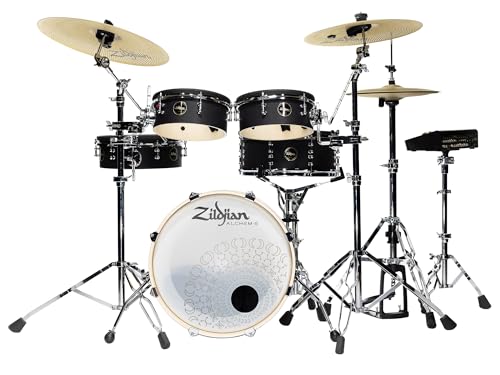
Drum Configuration- 14"x5" Snare Drum/ (2) 10"x4" toms/ 12"x4" tom/ 18"x7.5" Bass Drum. All feature 3 zones: head, rimshot, and rim.

Kit Includes 3 Products—All Brand New Items with all Manufacturer-supplied Accessories + Full USA Warranties:

Guitar Detailer for Matte/Satin Finishes. Revolutionary Guitar ONE for Gloss Finishes. Pro Strength Polish is a like a face lift in a bottle for scratches and hazy surfaces
Recommended Cleaning Products and Tools
Finding the right products for cleaning cymbals is vital to sustaining their aesthetic appeal and sonic quality. Cymbal-specific cleaners, such as Groove Juice, are highly recommended as they effectively remove dirt without harming the finish, sparing drummers from excessive buffing. Additionally, manufacturers like Zildjian, Sabian, or Paiste offer polish cleaners known for their material compatibility. It’s important to steer clear of household cleaners like Windex, which can damage expensive cymbal surfaces. For the cleaning process, using soft, non-abrasive cloths or microfiber towels is essential, as they prevent scratches and preserve finish integrity. Always test any new cleaning product on a small, inconspicuous area first to verify no adverse reactions occur, safeguarding the cymbals’ pristine condition. Choosing the appropriate material quality of cleaning tools and products can significantly affect the maintenance and longevity of your cymbals.
Recommended Products
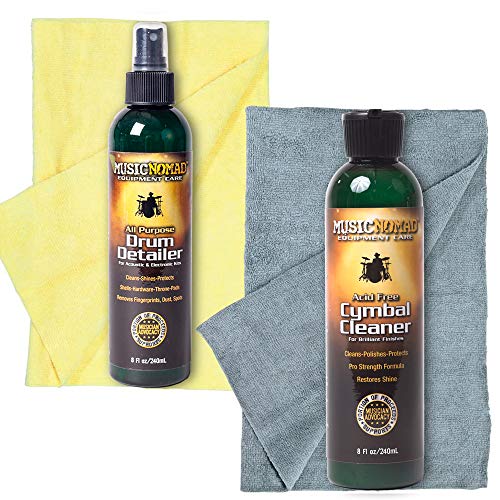
Acid-Free Cymbal Cleaner is fast at cutting through layers of oxides and restoring an eye-glaring shine to cymbals

Package Dimensions: 21.843 cms (L) x 10.921 cms (W) x 1.524 cms (H)

Our 5 piece cleaning kit gives your acoustic, electric or bass guitar a total spa treatment from the body and neck to the fretboard and hardware. Whether using for general everyday maintenance or a deep restoration, MusicNomad’s 5-piece kit covers all your needs.
Effective Methods for Cleaning With Water and Soap
Cleaning cymbals with water and soap can be a gentle yet effective method to remove dirt and grime that accumulate over time. To clean effectively, one should mix warm water with mild soap, ensuring a balance that lifts dirt without damaging the cymbal’s finish. Utilizing a soft, lint-free cloth or microfiber towel is crucial, as it avoids scratches and preserves the cymbal’s surface. Following the wash, drying the cymbals immediately with a clean, dry cloth is essential to prevent water spots and corrosion. It is advisable to clean after performances when grime is easier to manage, allowing the cymbals to be stored in their cymbal bags with a well-maintained finish, ready for the next session. Regular maintenance using proper accessories like felts and washers can also help protect cymbals from damage and improve sound quality.
Recommended Products

Made of high quality specially designed microfibers
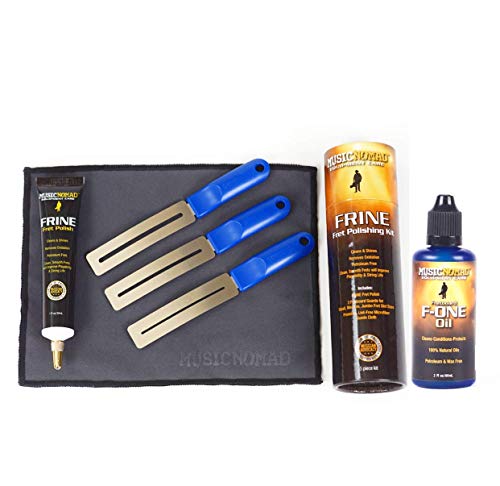
F-ONE oil cleans & conditions & protects all unfinished fretboards including rosewood, ebony, Maple

MATERIAL: The Premium Care Plush Cloth contains millions of microfibers to pick up and trap dirt, dust and fingerprints whereas traditional cotton cloths can’t do, providing deluxe care on the instrument surface
Utilizing Specialized Cymbal Cleaners
Releasing the vibrant potential of cymbals often involves the use of specialized cymbal cleaners, which offer a tailored approach to maintaining their finish and sound quality. Products like Zildjian’s proprietary polish and Groove Juice are formulated specifically for cymbals, effectively removing grime while preserving their unique tonal grooves. The application process is straightforward: spray the cleaner onto the cymbal, let it sit briefly, and gently wipe it off with a soft cloth. Unlike generic brass polishes, specialized cymbal cleaners account for the unique metal compositions of cymbals, ensuring they last longer without causing surface damage. By regularly using these tailored cleaners, drummers maintain not only the visual appeal of their cymbals but also their rich sound, preventing buildup that could mute resonance. Additionally, using high-quality cymbal felts during maintenance helps reduce unwanted vibrations and prolongs cymbal lifespan.
Recommended Products
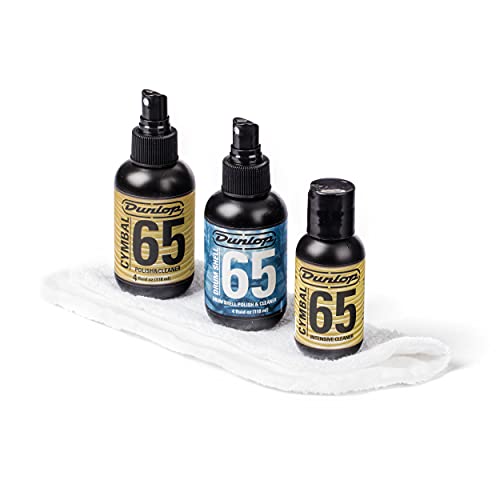
Includes Drum Shell 65 Polish & Cleaner to help restore your finished drum shell to a rich luster and keep it in a pristine, like-new condition
Product type :CLEANING AGENT
The information below is per-pack only
Tips for Preventing Damage During Cleaning
To preserve the exquisite quality and finish of cymbals during the cleaning process, it is essential to follow specific guidelines that prevent potential damage. First, always use a soft, dry cloth or microfiber towel to gently remove fingerprints and dirt, as abrasive materials can scratch the cymbal’s delicate surface. When dealing with stubborn grime, opt for mild soap and warm water, ensuring that all residue is thoroughly dried afterward to avoid water spots or rust. Additionally, it is vital to avoid using brass polish, as it may react with the metal alloys, compromising the cymbal’s tonal quality. Cleaning should be done promptly after use to effortlessly remove oils and residues. Finally, consider cymbal-specific cleaners for safe and effective results. Using proper isolation methods, such as drum isolation shields, can also protect cymbals from excessive wear caused by unwanted vibrations during performances.
Recommended Products

Includes Meinl Cymbal Polish, Meinl Cymbal Protectant and free cymbal handling gloves

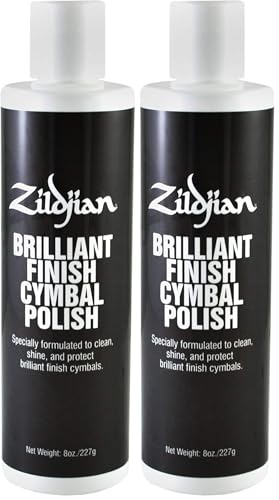
The Zildjian polish cleans and polishes brilliant finish Zildjian cymbals in one quick and easy application. The MusicNomad polish cleans, shines and protects drums, hardware, e-pads and more while removing fingerprints, dust and spots.
Post-Cleaning Maintenance for Shine and Protection
Maintaining the shine and protection of cymbals post-cleaning is essential for ensuring their longevity and ideal performance. After cleaning, it’s vital to use a wet cloth to neutralize any acids from cleaning products, as this helps prevent corrosion and enhances the cymbal’s life-span. Additionally, regularly applying a suitable cymbal polish designed for the specific material can greatly maintain their luster. After each performance, wiping cymbals gently with a soft microfiber cloth effectively removes fingerprints and oils, contributing to a clean, appealing surface. To further protect these instruments, one should store cymbals properly, utilizing protective sleeves to avoid scratches. Implementing a routine maintenance schedule guarantees that cymbals remain in top condition, preserving both sound quality and visual appeal. Furthermore, using quality cymbals can ensure durability and better resistance to wear, making maintenance efforts more effective.
Proper Storage Techniques for Cymbals
Proper storage techniques for cymbals are vital to ensuring their protection and longevity. To effectively transport and store cymbals, it is advisable to keep them flat in padded bags or hard cases, preventing bending, chipping, and stress on the edges. Placing cloth or towels between stacked cymbals can prevent scratches and dents, promoting their pristine condition. Moreover, utilizing protective plastic or rubber sleeves on tilters helps avoid harmful metal contact during mounting. It’s essential to steer clear of high humidity areas, as moisture can lead to oxidation and rust, compromising the cymbals’ surfaces. Maintaining a slight angle during storage can also help reduce pressure on the edges, additionally enhancing their lifespan and integrity. Using weather-resistant materials in storage bags can further protect cymbals from environmental damage.
Best Practices for Transporting Cymbals
When transporting cymbals, musicians should prioritize protection and care to prevent damage during transit. To guarantee cymbals remain unharmed, it’s essential to use high-quality padded bags or hard cases. These protective measures absorb shocks from impacts that occur during travel. Cymbals should be stored flat in their cases to avoid bending or chipping; stacking them on hard surfaces is not advisable. Utilizing separating materials, like cloth or towels, between cymbals prevents scratches and protects their edges. Additionally, musicians must secure cymbals within their cases, filling any empty spaces with padding to prevent movement. Finally, it is vital never to leave cymbals on stands during transport; they should be disassembled and safely stored in dedicated bags to protect them effectively. Considering stands with foldable models can also ease the transport process by reducing bulk and weight.
Enhancing Cymbal Longevity Through Care
Cymbals are more than just striking instruments; they are carefully crafted tools that enhance musical performances and require dedicated care to secure their longevity. Regular cleaning using a high-quality cymbal cleaner is vital for preventing grime buildup from oils and dust, which can negatively impact sound quality. A well-established care guide suggests using soft cloths specifically designed for cymbals to avoid abrasions that harm their finish. Proper storage in padded bags, along with separating cymbals with cloth, helps prevent scratches and dents. Furthermore, minimizing direct handling by using gloves can greatly reduce tarnishing caused by fingerprints. Incorporating immediate cleaning routines preserves their finish and peak performance, ultimately enhancing the longevity of each cymbal.
Frequently Asked Questions
What Not to Clean Cymbals With?
What could ruin the protective coatings on cymbals? Harmful cleaning agents like household cleaners, abrasive sponges, and unformulated polishes compromise cymbal cleaning methods, jeopardizing their finish and overall quality in the long run.
Does Cleaning Your Cymbals Affect Sound?
Cleaning cymbals affects sound quality greatly. Proper cleaning techniques and regular maintenance enhance clarity and resonance, while improper cleaning frequency can diminish tonal characteristics, leading to undesirable sound outcomes and ultimately impacting overall performance.
Can I Use WD-40 to Clean Cymbals?
Using WD-40 to clean cymbals is unwise; despite its benefits for other surfaces, it can harm cymbal finishes. Opt for cymbal-specific cleaning techniques to guarantee proper maintenance and protect both sound quality and longevity.
Can You Use Dawn to Clean Cymbals?
Dawn is effective for cleaning cymbals, especially for heavy grime, but should be used sparingly. Regular cleaning frequency with a dry cloth assists in cymbal preservation, while alternative solutions include specialized cymbal cleaners for best results.


