As an Amazon Associate, we earn from qualifying purchases. Some links on this site are affiliate links at no extra cost to you. Our recommendations are based on thorough research and editorial judgment.


Proper Storage Methods for Electronic Drum Kits

Proper storage methods for electronic drum kits are essential for preserving their quality and functionality. First, disconnect cables and disassemble hardware components carefully. Next, store drum triggers in their original boxes or wrap them individually to protect delicate parts. Use padded gig bags for drum pads to prevent dust accumulation and physical damage. A climate-controlled environment, free from extreme temperatures and humidity, will further safeguard these components. Implementing these guidelines ultimately enhances longevity, leading to better performance while playing. There’s more to explore on keeping your kit in top shape.
Key Takeaways
- Disconnect and organize all cables, storing them in zip-top bags or containers to prevent tangling and damage.
- Store drum triggers and modules in original boxes or padded cases for optimal protection against impact.
- Utilize padded gig bags to guard drum pads from dust and moisture while ensuring easy mobility.
- Keep all electronic components in a climate-controlled environment to prevent warping and degradation.
- Use a labeling system for storage boxes to enhance organization and facilitate quick access to components.
Understanding the Importance of Proper Storage

You may be interested


Understanding the importance of proper storage for electronic drum kits is essential, as neglect in this area can lead to significant damage and costly repairs. To effectively store your drum, all cables should be unplugged, and hardware carefully organized to prevent damage to delicate electronic components, particularly during long-term storage or transportation. Drum triggers and modules are best kept in their original packaging or padded drum cases, ensuring protection against impacts and environmental hazards. Utilizing gig bags not only promotes organization but also mitigates potential damage from dust and moisture. Additionally, a climate-controlled storage environment is highly recommended to guard against sensor malfunctions or material degradation caused by temperature fluctuations and humidity levels, ultimately prolonging the lifespan of your electronic drum kit. Storing your kit with consideration of mesh drum heads and dual-zone pads also helps maintain the instrument’s playability and sound quality over time.
Preparing Your E-Drum Kit for Storage

Preparing an electronic drum kit for storage requires careful attention and methodical steps to guarantee each part remains in excellent condition. First, disconnect all cables and disassemble hardware components to avoid potential damage. For drum triggers, it is advisable to store them in their original boxes or wrap them individually, since the delicate electronic components are sensitive to temperature and impact. Utilizing padded gig bags for the drum pads guarantees protection from dust and physical damage during storage. Additionally, organizing cables, pedals, and other electronic components in categorized containers allows for efficient retrieval in the future. By properly preparing the kit, drummers can confidently store their drums, knowing that they will remain in prime condition for their next performance. It is also beneficial to keep components in a climate-controlled environment to prevent damage to dual-ply mesh pads and electronic circuitry.
Recommended Products

Spacious Space: This electronic drum kit bag features an interior size of 36.2 x 16.5 x 16.1 in with six detachable dividers. It provides protection for your equipment (snare, toms, bass drums, cymbals, etc.), making your travel more organized

Stores electric drum pads, cymbal pads, electric drum set brain, module, and accessories

HARD AND DURABLE--Made of high-quality EVA materials, sturdy and durable against scratching and falling down to broke
Ideal Storage Environment for Electronic Drums

Finding the ideal storage environment for electronic drum kits is vital to preserving their functionality and extending their lifespan. These drum kits should be placed in climate-controlled storage to shield sensitive electronic components from harmful temperature fluctuations and damaging humidity levels. Maintaining a cool, dry environment is important because it prevents warping of materials and guarantees the longevity of the entire drum kit. Furthermore, extreme temperature changes and high humidity can adversely affect electronic sensors and triggers, making controlled storage absolutely necessary. Storing electronic drums away from direct sunlight is also beneficial, as this helps keep the instruments in prime condition. A proper storage environment considerably contributes to maintaining sound quality and overall integrity, guaranteeing these kits remain ready for use when needed. Additionally, using sound isolation shields can further protect electronic drum kits from external noise interference.
Recommended Products

【Ultimate Drum Protection】 Shield your valuable drum kit from dust, moisture, and harmful UV rays with BENVOL's premium 420D Oxford fabric drum set cover. Our waterproof drum dust cover features a innovative silver-coated interior that reflects sunlight and enhances heat dissipation, keeping your drums cool and dry in any environment.

Made of black water-resistant nylon.Great quality, Easy to clean

Compatible Models: Compatible with Roland SPD-SX Pro, SPD-SE, Avatar PD705, Alesis SamplePad Pro, popular electronic drum pad models.
Choosing the Right Cases and Bags
When it comes to protecting electronic drum kits, choosing the right cases and bags is essential for maintaining their integrity during transport and storage. Options like the Gator Large Electronic Drum Kit Bag, priced at $229.99, offer ample space for electric drum pads, cymbals, and accessories. For those seeking waterproof protection, SKB’s 3i-2015-7DMP iSeries Drum Case is a solid choice, earning an impressive 4.8/5-star rating. Many electronic drum gig bags, including the Roland CB-BOCT Carry Bag for SPD-30, feature practical handles and shoulder straps to enhance mobility. Additionally, Ahead Armor Cases provide padded inserts within their drum case, ensuring organized storage and safety. Investing in high-quality cases and bags from trusted brands like Roland and Gator is crucial for safeguarding these delicate musical instruments. Considering features like material durability and impact resistance can greatly improve the protection level for electronic drum kits.
Recommended Products

MADE FOR NANUK CASES: Enhance your Nanuk case with lockable security using this TSA PowerClaw latch retrofit kit.
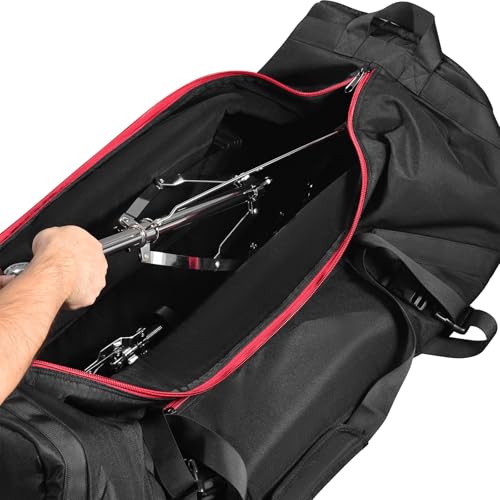
PROFESSIONAL PROTECTION FOR YOUR PRECIOUS GEAR - Designed specifically for drummers, this heavy-duty bag shields your valuable cymbal stands with 5mm high-density foam padding throughout and a soft velvet-lined interior. Say goodbye to scratches and dings during transport or storage, ensuring your gear stays show-ready.
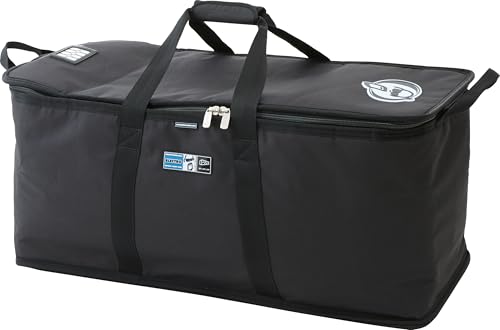
Hard wearing fabric construction with high impact foam
Organizing Components and Accessories
Organizing the components and accessories of an electronic drum kit is essential for ensuring that everything remains in good condition and is easily accessible when needed. All cables should be unplugged and stored in separate zip-top bags or cable organizers to prevent tangling and damage. Delicate electronic parts, such as drum triggers, should either be kept in their original packaging or securely wrapped in packing paper for protection. Drum pads should be stood vertically on their edge, while cymbal pads need to be laid flat to safeguard their edge switches. Using padded gig bags with dividers can help categorize accessories, making retrieval quick and straightforward. Implementing a labeling system for storage boxes allows easily identifying the contents, streamlining future use of each dedicated cymbal and accessory. Proper storage also helps maintain the trigger’s sensitivity and response by preventing damage during transport or downtime.
Maintenance Tips for Long-Term Storage
Proper maintenance is essential for any electronic drum kit, especially when preparing for long-term storage, as it helps prevent damage and guarantees the kit remains in peak working order. To keep them safe, first, unplug all cables and remove hardware to protect the electronic components during the storage process. Drum triggers should be stored in their original boxes or wrapped individually to prevent impact damage. Padded gig bags are ideal for electronic drum pads, ensuring their protection from moisture and temperature fluctuations in a climate-controlled environment. Regularly checking and cleaning the components with a dry cloth helps prevent dust accumulation. Additionally, make sure to contemplate using original packaging for more delicate electronic parts as added security during storage and transport. Using Padded gig bags designed for electronic drum pads also helps prevent damage during transport and storage.
Recommended Storage Solutions and Resources
While safeguarding electronic drum kits during storage may seem straightforward, choosing the right storage solutions can substantially enhance their longevity and performance. Utilizing specialized bags and padded cases, like the Gator Large Electronic Drum Kit Bag, is crucial for protecting drum sets, cymbals, and modules during transport. For ideal environment preservation, climate-controlled storage helps guard against temperature fluctuations, which can harm sensitive electronic components. Additionally, the original packaging for individual components, especially drum triggers, guarantees they remain intact. It’s also wise to organize cables and pedals in dedicated containers, preventing damage and tangling. Finally, investing in cases with padded interiors, such as the SKB 3i-2015-7DMP iSeries Drum Case, can help keep everything organized and secure. Regularly evaluating pads for wear and potential replacement needs further ensures optimal kit performance over time.
Frequently Asked Questions
How to Store an Electronic Drum Kit?
To store an electronic drum kit, prioritize drum pad maintenance and electronic kit organization. Make certain sound module safety by keeping components in original packaging, and observe transport precautions to prevent damage during storage and movement.
Do Drums Need to Be Stored in Climate-Controlled Storage?
Yes, drums should be stored in climate-controlled environments. Humidity control and temperature stability are essential. Employing protective covers and moisture barriers further safeguards the instruments against moisture damage and environmental fluctuations.
Should You Compress Electronic Drums?
Compressing electronic drums can considerably improve sound quality; however, careful consideration of compression techniques is essential. Properly adjusting trigger sensitivity and maintaining battery care allows for ideal performance without sacrificing dynamic expression.
How to Protect Electronic Drums?
To protect electronic drums, guarantee durability maintenance through regular cleaning, utilize padded cases for transportation safety, and implement humidity control methods. Additionally, prevent dust accumulation by covering the equipment when not in use.


