As an Amazon Associate, we earn from qualifying purchases. Some links on this site are affiliate links at no extra cost to you. Our recommendations are based on thorough research and editorial judgment.


When to Replace Your Drum Heads: Signs of Wear

Drum heads should be replaced when they show visible signs of wear, such as dents, tears, or wrinkles. A loss of tone, characterized by flat or muddy sounds that tuning can’t fix, is another essential indicator. Difficulty getting even tension across lugs can also signal the end of a drum head’s life. Additionally, players should regularly inspect their heads for these signs. Understanding these factors helps maintain sound quality and performance. Learn more about extending drum head life.
Key Takeaways
- Visible dents, dings, or tears on the drum heads indicate they need replacement to ensure sound quality.
- A flat or muddy sound, even after tuning, signals loss of tone and requires head replacement.
- Difficulty in achieving even tension across all lugs may suggest worn-out drum heads needing to be changed.
- Unevenness or wrinkles on the surface of the heads are clear signs that it’s time for a replacement.
- Regular inspections can help promptly identify these signs, ensuring optimal performance of your drums.
Understanding the Lifespan of Drum Heads

You may be interested


How long can drum heads truly last before they need replacing? The lifespan of drum heads varies greatly, typically lasting from a few months to over a year. This variability often depends on factors such as frequency of use and playing style. Professional drummers, for example, may find it necessary to replace their drum heads every 3-6 months due to intensive play. Single-ply heads tend to wear out faster than double-ply options, as their thinner construction affects durability. Environmental conditions, including humidity and temperature fluctuations, can markedly influence the integrity of drum heads, leading to quicker deterioration. Regularly checking for visible signs of wear is essential, as identifying when to replace your drum heads guarantees peak performance and sound quality. Additionally, choosing drum heads made with advanced materials and technologies, such as Level 360 Technology, can help maintain tuning stability and prolong their effective lifespan.
Common Signs That Indicate It’s Time to Replace Drum Heads

When evaluating whether drum heads need replacement, several telltale signs emerge that can greatly aid drummers in maintaining their instruments. Visible dents, dings, or tears can markedly alter a head’s tension and resonance, signaling a need for replacement. Additionally, a loss of tone, characterized by flat or muddy sounds despite tuning efforts, suggests wear and potential deterioration of the drum heads. Difficulty in tuning, where achieving the desired pitch becomes increasingly challenging, often indicates stretched heads. Moreover, unevenness or wrinkles on the surface reveal that the drum heads have lost tension. Frequent inspections for these signs will guarantee that drummers can replace drum heads promptly, consequently maintaining peak performance in their music. Understanding the impact of Level 360 Technology on tuning stability can help drummers recognize when to upgrade their drum heads.
Recommended Products
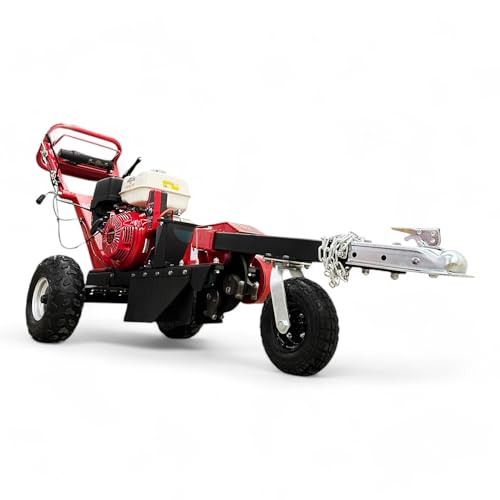
[GX390 13 HP ENGINE] The GX390 13 hp engine on the HOC SGR389RTE stump grinder delivers unmatched power and reliability, ensuring that contractors can tackle the toughest stumps with ease and efficiency. Its robust performance and durability make it an indispensable tool for professionals seeking to streamline their workflow and maximize productivity.
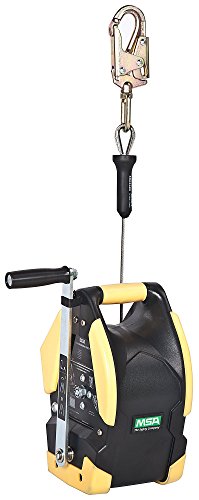
EASY-TO-USE: Simple setup to save time and promote correct usage, reduced weight and greater portability, compatible with other Workman accessories and components for easy replacement
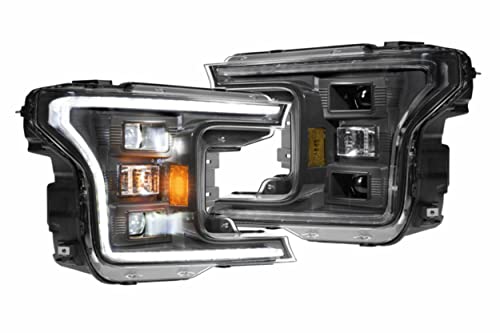
Morimoto Lighting LF551 2x (One Pair) XB Hybrid LED Headlights fits Ford F-150
Factors Impacting Drum Head Longevity

Understanding the factors that impact drum head longevity is essential for maintaining their performance and ensuring they last as long as possible. The frequency of use plays a critical role; regular players typically need to replace their heads far more often than occasional drummers. Additionally, aggressive playing styles, such as punk or heavy metal, tend to wear out drum heads faster than lighter techniques. The type of drum head also matters; double-ply heads generally provide better durability compared to single-ply heads due to their thicker construction. Environmental conditions, including humidity and temperature fluctuations, can further degrade head integrity. Finally, proper maintenance practices, like routine cleaning and maintaining ideal tension, are crucial for enhancing durability and preventing premature wear. Utilizing drum heads with Level 360 Technology can also improve tuning stability and extend the head’s usable life.
Recommended Products

TD-07 module with 25 preset kits, 25 user kits, and 143 instruments. V-Edit, EQ, ambience, and 30 multi-effects offer deep editing tools to create your perfect drum kit sounds

Complete Adults Drum Set - The Donner DDS-520 drum kit comes with everything you need to start drumming right out of the box. This set includes drums, hardware, cymbals, a drum throne, and a pair of drumsticks

Complete Percussion Experience - Professional 8-piece electronic drum set with ultra-quiet Alesis mesh heads, revolutionary Drum Module with Bluetooth and built-in industry-leading BFD drum sounds
Recommended Replacement Frequency for Different Drum Types
While drummers may play in diverse styles and settings, the recommended replacement frequency for drum heads varies considerably according to the type of drum being used. Snare drum heads typically need to be replaced every 3 to 6 months to maintain peak sound quality, especially for those who play frequently. Tom drum heads generally last between 6 to 12 months, influenced by how often and how intensely they are played. Bass drum heads have a longer lifespan, usually lasting about 1 to 2 years due to the softer impact from the beater. Professional drummers often change drum heads more frequently than hobbyists, as their playing habits cause drum heads to wear out at different rates, making it essential to replace your drum heads strategically. Factors such as drumhead material and ply configuration also affect durability and should be considered when planning replacement intervals.
Recommended Products

CarPlay Compatible - Android Auto Compatible - AppRadio Mode+ Compatible - Spotify, Works with Pandora, SiriusXM-Ready

Installation Dash Kit for Single and Double DIN Head units For select 2011- Up Chrysler 300 vehicles
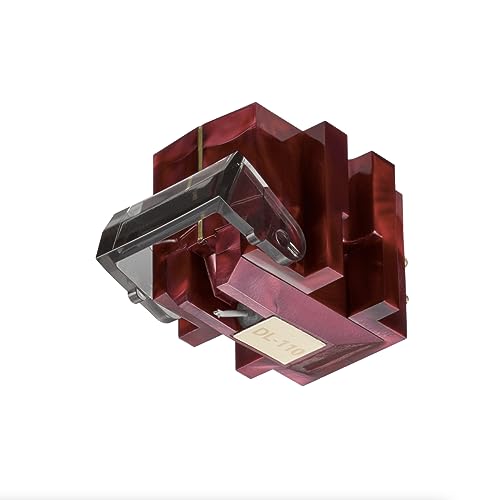
ULTRA-PREMIUM MC CARTRIDGE - Maintaining a 110-year legacy of designing premium audio components, the DL-110 turntable phono cartridge offers quick transient response & excellent articulation of your favorite vinyls, making them sound extraordinary
The Importance of Regular Inspections
Conducting regular inspections of drum heads is essential for any drummer aiming to maintain quality sound and performance. During these inspections, one should watch for visible damage like dents and cracks, which can drastically affect sound quality and playability. Additionally, checking for signs of coating wear on coated drum heads is significant; diminished coating can change the tonal characteristics of the music produced. Monitoring for unevenness or wrinkles may indicate stretching and a loss of tension, signifying that replacements might be necessary. Establishing a routine for these inspections enables proactive maintenance, preventing costly repairs and ensuring consistent sound quality during performances. By regularly evaluating drum heads, musicians can maximize their instrument’s lifespan and reliability. Using drum dampening rings can also aid in managing unwanted overtones and extending the life of drum heads by controlling excessive vibration.
How Environmental Conditions Affect Drum Heads
Environmental conditions play a pivotal role in the performance and longevity of drum heads. Various environmental factors, particularly humidity and temperature fluctuations, can adversely affect these components. High humidity allows drum heads to absorb moisture, leading to weakened materials that shorten their lifespan. Additionally, drastic temperature changes can cause expansion or contraction, which disrupts tuning stability and alters sound quality. Moreover, regular inspections in diverse environmental conditions are essential, as prolonged exposure to unsuitable climates may result in visible damage or uneven wear on the heads. To combat these issues, it is highly advisable to store drums in climate-controlled environments, thereby minimizing environmental impacts and helping to preserve both their structure and acoustic performance. Understanding the tuning stability of drum heads is crucial since environmental factors heavily influence consistent performance.
Maintenance Tips to Extend Drum Head Life
Proper maintenance of drum heads is essential for ensuring their longevity and optimal performance. To prolong the life of drum heads, drummers should incorporate several simple maintenance tips. Regularly cleaning the drum heads after each session removes dust, oils, and sweat, preventing material degradation and preserving sound quality. Additionally, performing routine checks to maintain even tension across all lugs enhances durability and sound performance. It’s advised to use appropriate playing techniques and sticks that minimize excessive wear. Enthusiasts should also store their drums in a climate-controlled environment to avoid humidity and temperature fluctuations, which can weaken drum heads. Investing in quality drum cases protects against physical damage during transport, ensuring that the drum heads remain in peak condition. Choosing drum heads with enhanced sensitivity and proper material thickness can also improve durability and sound quality.
Recommended Products
Delivers up to 35 minutes of run-time, using 120 grit abrasive discs with one 18V LXT 5.0Ah Battery

INDUSTRIAL GRADE: Built to withstand demanding commercial and industrial environments with robust construction

PROFESSIONAL CORDLESS PLUMBING SNAKE: Designed with a powerful brushless DC motor that quickly clears even the toughest of blockages in 3/4" to 3" lines such as sinks, tubs, showers, and urinals
Choosing the Right Drum Heads for Your Playing Style
When it comes to enhancing musical expression, selecting the right drum heads can considerably influence a drummer’s sound and performance. The choice between single-ply and double-ply heads depends on personal playing style; single-ply heads offer a bright sound, while double-ply heads provide a warmer tone and added durability. Coated heads are perfect for drummers seeking sensitivity and richness, whereas clear heads excel in delivering a sharp attack for brighter genres. Understanding the context of different types of music is essential. For instance, jazz drummers often prefer two-ply heads, while rock drummers might opt for single-ply varieties. Ultimately, changing your drum heads and experimenting with combinations can help tailor sound to individual preferences, ensuring ideal care and maintenance for longevity. Additionally, using the right drum lacquer finish on your drum shells can protect the wood and preserve the quality of your sound over time.
Recommended Products

28" Siam Oak, 2-ply shell

Head diameters: 10" and 11"

28" Two-ply wood shell with 10" And 11" Rawhide heads
Frequently Asked Questions
How Do You Know When to Replace Drum Head?
To determine when to replace a drum head, one should conduct regular visual inspections, assess sound quality, and evaluate tonal clarity based on playing frequency and style, factoring in various drum head types for peak performance impact.
What Is the 80/20 Rule in Drumming?
The 80/20 rule in drumming ironically suggests that focusing on just a few drumming techniques dramatically enhances sound quality. Drummers can maximize practice routines, maintain health, and improve playing styles by mastering essential elements of percussion instruments.
How Long Do Drum Heads Usually Last?
Drum heads typically last 3-24 months, influenced by materials and playing style. Maintenance tips like proper tuning enhance sound characteristics, while drummer preferences dictate replacement frequency, impacting overall performance and longevity of the drum heads.
Do Old Drum Heads Sound Bad?
Like a faded painting, old drumheads often compromise sound quality. Worn drumheads produce muted tones, while their resonance impacts overall drumset sound. Effective drumhead maintenance and tuning techniques can enhance longevity and sound clarity.


