As an Amazon Associate, we earn from qualifying purchases. Some links on this site are affiliate links at no extra cost to you. Our recommendations are based on thorough research and editorial judgment.

How Often Should You Replace Snare Drum Wires

Drummers should replace snare drum wires every two to three drumhead changes, based on use and care. Over time, wires can stretch or weaken, impacting sound quality. Signs like fraying or loss of tension indicate a need for replacement. Additionally, factors such as humidity and temperature can affect durability. Proper maintenance, including releasing snares when not in use, extends their lifespan. Choosing high-quality wires also enhances performance. More insights on maintenance techniques and care await.
Key Takeaways
- Regular players should replace snare wires every few months, depending on play frequency and care taken.
- Many drummers change wires every second or third batter head change to maintain sound quality.
- Signs of wear, such as fraying or loss of tightness, indicate it’s time for a replacement.
- Proper care, like releasing snares when not in use, can extend the lifespan of the wires.
- Inspect wires regularly for bending or loosening to ensure optimal performance and timely replacements.
Understanding Snare Wire Lifespan

You may be interested
10 Best Bass Drum Beaters That Deliver Powerful, Precise Hits
January 14, 2026

10 Best Cymbal Felts Replacement for Perfect Sound Quality
January 14, 2026

10 Best Cymbal Stand Booms That Drummers Swear By
January 14, 2026
The lifespan of snare wires is an essential consideration for drummers who seek to maintain the quality of their sound. Typically, snare wires can stretch over time, losing their effectiveness and requiring replacement to achieve optimal audio clarity. Regular players often need to replace their snare wires approximately every few months, based on how frequently they play and how well they care for their equipment. While visible signs of wear, such as spaced-out wires, can indicate a need for change, immediate replacement is not always necessary unless performance is compromised. Proper care, including releasing the snares when not in use and conducting regular inspections, can greatly extend the lifespan of snare wires, ensuring longevity and consistent sound quality for drummers. Additionally, using high-quality steel wire strands designed for snare drums can improve durability and reliability over time.
Signs That Indicate It’s Time for Replacement

When considering snare drum maintenance, recognizing the signs that indicate it’s time for replacement is crucial. Visible wear or damage, such as fraying or broken strands, can lead to significant snare wire deterioration that adversely affects sound quality. Additionally, if the wires appear spaced out or have lost their usual tightness, this stretching indicates they may no longer perform effectively. Regular checks after intense play can reveal bending or loosening, which also suggest the need for new wires. Drummers often notice a decline in sound quality impact; if this occurs, replacement is necessary. Following replacement frequency guidelines, many drummers find it beneficial to change snare wires every second or third batter head change to keep performance consistent. Proper maintenance and quick installation contribute to sound consistency and overall snare performance.
Recommended Products

Items Sent to You: our snare wire kit includes 2 pieces of 30 strands steel snare drum wires and 8 pieces of transparent snare wire straps, enough quantity and quality material can satisfy your daily use, replace and share requirements

Designed for strap-mounted snare wires, 4 pieces

FOR 14 INCH SNARE DRUMS - Designed for 14" snare drums with 30 strands of wire
Factors Affecting Snare Wire Performance
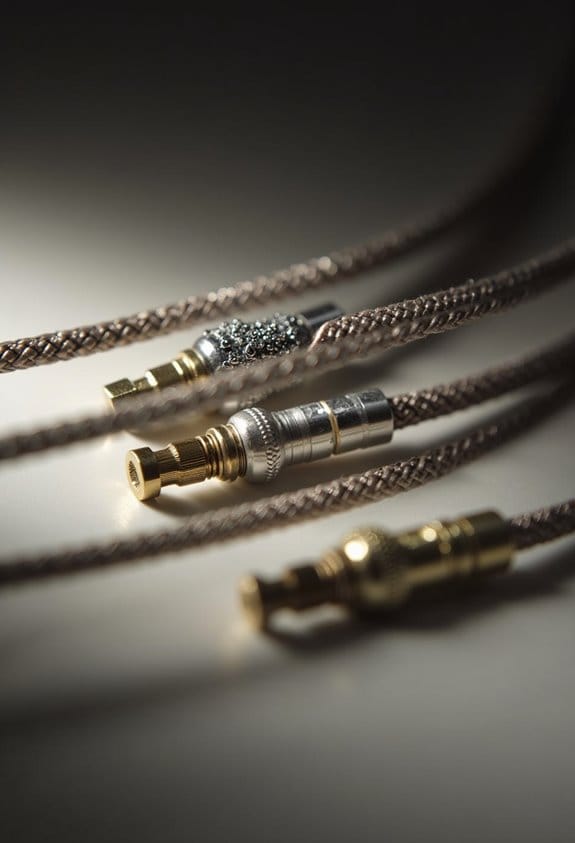
Understanding the factors that affect snare wire performance is essential for maintaining a snare drum’s quality and longevity. Several elements contribute to this, including the impact of weather conditions. High humidity and extreme temperature fluctuations can affect wire tension, causing wires to stretch over time. This stretching can compromise sound consistency, leading to uneven tones and an overall decline in performance quality. Additionally, the quality of the snare wire material plays a significant role; higher-quality wires typically resist wear and perform better than their lower-quality counterparts. Ultimately, proper care, such as releasing the snares when the drum is not in use, can help extend the overall lifespan of snare wires, ensuring consistent sound and reliable performance during play. Choosing mufflers with durable materials can also complement snare wire performance by controlling overtones and sustain effectively.
Recommended Products

Snappy Snare 14" 20 Strands

SIZE: Suitable for 14 inch snare drums, silver 24 strand sand spring with strap and rope

SIZE:Suitable for 14 inch snare drums, brass 20 strand sand spring with strap and rope
Maintenance Tips for Prolonging Snare Wire Life
Maintaining snare wires can markedly enhance their lifespan and overall performance. Regularly releasing the snares when not in use helps to maintain their condition, preventing wear and tear. Additionally, adopting effective wire cleaning techniques before installing new wires is vital to guarantee ideal contact and sound quality. Implementing proper tension adjustment methods can further preserve the wires; maintaining a consistent tension across them helps prevent stretching, which is fundamental for tonal quality. Equally important are safe storage practices: keeping the snare wires loose during storage reduces the risk of damage over time. By frequently inspecting the wires for early signs of bending or loosening, drummers can make timely adjustments or replacements, ultimately extending the longevity of the snare wires. Choosing wires with the right strand count and material can also influence how long they last and maintain their sound quality.
Recommended Products

Stable Straps for You: you will receive 4 pieces of snare strips in the package, coming with classic black color, enough to satisfy your snare requirements, and you can also share them with your good friends

Package include: 2x Snare Wire 8 x Snare Wire Straps

Special half design, suitable for box drums and children snare drums.
Best Practices for Snare Drum Care
Proper care of a snare drum greatly impacts its performance and overall lifespan, building upon the maintenance practices discussed earlier that prolong snare wire life. Regular snare drum maintenance includes checking wires for signs of stretching or wear and ideally replacing them every second or third drumhead replacement. Maintaining the throw-off in the “on” position when not in use helps preserve snare wire condition. Additionally, careful wire tension adjustment is essential; properly tightened wires against the drumhead reduce the risk of damage during transport. Cleaning the bearing edges and ensuring even tension during drumhead replacement contribute notably to sound enhancement. Finally, proper storage and loosening snares when not in play effectively extend the lifespan of snare drum components, promoting consistent performance. Selecting snare wires made from high-quality steel can also significantly improve durability and tonal clarity.
Recommended Products

FOR 14 INCH SNARE DRUMS - Designed for 14" snare drums with 24 strands of wire

Size for 14 Inch Snare Drums: Each snare drum strap measures approximately 25 x 1.5 cm (9.8 x 0.6 inches), making them ideal for 14-inch snare drums. Please confirm the size before placing your order to ensure a perfect fit.

[Clear Sound]: The snare drum wire can provide clean, crisp and clear sound quality, not easy to produce other noise; Compared with nylon wire, the steel wire's running range and time are greatly shortened, which can help you perform better
Choosing the Right Snare Wires for Your Sound
How can a drummer select the best snare wires to enhance their sound? Choosing the right snare wire materials greatly influences tonal quality; stainless steel wires offer a bright, sharp sound, while bronze wires provide a warmer, darker tone. Additionally, the gauge of the snare wires determines gauge sensitivity; lighter gauges are more responsive to subtle playing, best for jazz, while heavier gauges withstand aggressive playing, suited for rock. Strand count also plays a critical role; more strands create crisper sounds, enhancing resonance, whereas fewer strands provide a stronger backbeat. Finally, ensuring the wires fit properly with the snare drum size guarantees peak performance. A drummer’s playing style and musical genre greatly guide these choices. For added protection during transport, using snare drum bags with appropriate padding thickness helps maintain the wires’ integrity and performance quality.
Recommended Products

Designed for 14" snare drums; 20 strands of wire

SIZE:Suitable for 13 inch snare drums, silver 20 strand sand spring with strap and rope

SIZE:Suitable for 14 inch snare drums, silver 20 strand sand spring with strap and rope
Frequently Asked Questions
How Often Should I Change My Snare Wires?
Regularly changing snare wires, akin to revitalizing a canvas, guarantees vibrant snare drum sounds. Snare wire maintenance every two to three head changes, alongside wire tension adjustment, enhances tonal clarity and prolongs the drum’s harmonious life.
Do New Snare Wires Make a Difference?
New snare wires greatly enhance drum tone and snare sensitivity, positively impacting playing technique. Drummers often experience improved articulation and clarity, leading to a more expressive performance that resonates in both live and studio settings.
How Many Snare Wires Did John Bonham Use?
Bonham’s setup featured a standard 20-strand snare wire configuration, a choice cherished by legendary drummers. He preferred heavy wire materials, enhancing his crisp, powerful sound and dynamic expression in performances that inspired generations of musicians.
How Long Do Snare Drums Last?
Snare drums can last many years with proper maintenance. Factors influencing longevity include drum sound quality, wire durability, and environmental conditions. Regular care helps prevent deterioration, allowing players to enjoy their drums long-term.


