As an Amazon Associate, we earn from qualifying purchases. Some links on this site are affiliate links at no extra cost to you. Our recommendations are based on thorough research and editorial judgment.


What Is a Batter Head Vs Resonant Head

A batter head and a resonant head are essential parts of a drum. The batter head, located on top, is thicker to endure stick strikes, impacting volume and durability. In contrast, the resonant head, found on the bottom, is thinner to enhance the drum’s tone and sustain. Their thickness varies, with batter heads offering different sounds based on their material. Proper tuning between these heads creates unique sound characteristics. Explore more to discover how these elements shape drumming performance.
Key Takeaways
- The batter head is the top drumhead that faces the drummer and withstands stick impacts, affecting volume and durability.
- Resonant heads are located on the bottom of the drum, enhancing tone and sustain through vibrational response during play.
- Batter heads come in varying thicknesses (thin, medium, heavy) which influence sound sensitivity and decay.
- Resonant heads are typically thinner (7.5-mil to 10-mil) for better vibration and sustain during playback.
- Tuning relationships between batter and resonant heads significantly shape overall drum sound and character.
Understanding Batter Heads

You may be interested


Understanding batter heads is essential for any drummer aiming to hone their craft, as these components play a vital role in shaping the sound produced by a drum. The batter head, positioned on top, is designed to withstand the impact from sticks, typically coming in various thicknesses such as thin, medium, and heavy. This thickness influences the volume and durability associated with different drumming styles. Clear heads are popular options that emphasize the pitch and clarity of sound. Additionally, effective drum tuning, including experimentation with different configurations and dampening features, enhances the overall performance. Brands like Remo offer a range of batter head models, allowing drummers to tailor their sound to their personal preferences, which can be vital for achieving the desired expression. Innovations like Level 360 Technology simplify tuning and contribute to consistent sound quality across drumming sessions.
Recommended Products

The Yamaha Stage Custom Birch drum set is ideal for those learning to play, for students, for teachers and for working musicians who require a dependable gigging set that adapts to any venue

5.5" x 14" Aluminum Snare Drum with 1.2mm Beaded Shell Triple-flanged Hoops

Electronic Kick Pad Conversion Kit f 22-inch Acoustic Bass Drum
Characteristics of Resonant Heads

Resonant heads, the underappreciated counterpart to batter heads, greatly influence the overall sound quality of a drum. Typically made from thinner materials, these drumheads are often around 7.5-mil to 10-mil thick and are positioned on the bottom side of the drum. Their design enhances the drum’s tone and sustain by responding vibrationally during play. In snare drums, resonant heads are even thinner, with options like the 3-mil Remo Ambassador® Hazy for improved sensitivity. Careful tuning of the resonant head to match the pitch of the batter head maximizes resonance and sustain, resulting in a more cohesive and vibrant drum sound. Choices like the Remo Ambassador® Clear exemplify the essential role of resonant heads in achieving ideal drum performance. For drummers practicing quietly or seeking to control their sound environment, incorporating silent drum practice pads can greatly improve their overall playing experience.
Recommended Products
Provides wider midrange tones

Known for their warm full tones, resonance, and sustain

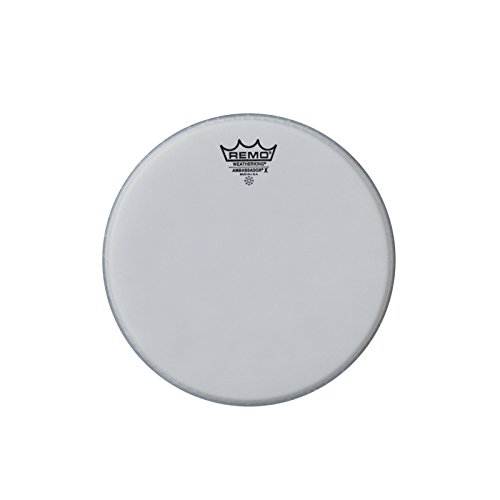
24" resonant drum head made using a single ply of 7mil film coated with a frost matte coating
The Importance of Drumhead Thickness
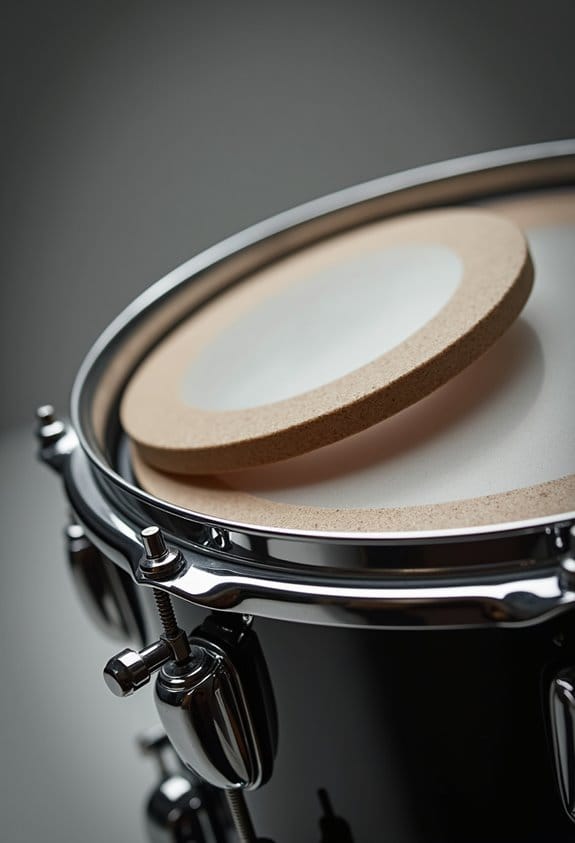
Drumhead thickness greatly impacts a drummer’s sound, acting as an important component in crafting the overall tonality and response of a drum. The thickness, measured in mils, affects the sound characteristics considerably; thinner batter heads, such as 7.5-mil, yield increased sensitivity and quicker sound decay, while thicker options, like 14-mil, provide durability and louder volume. A common choice for batter heads is 10-mil, offering a balanced blend of sensitivity and fullness. On the other hand, resonant heads are generally lighter, typically around 7.5-mil or 10-mil, which enhances vibration and sustain, contributing to a richer tonal quality. The choice of thickness is vital in drum setup, influencing both projection and the overall resonance during tuning. Additionally, two-ply drum heads made from multiple layers can offer enhanced durability and a more focused attack compared to single-ply options.
Recommended Products

The Tubano is a Remo invention and an entirely new development for a musical instrument.
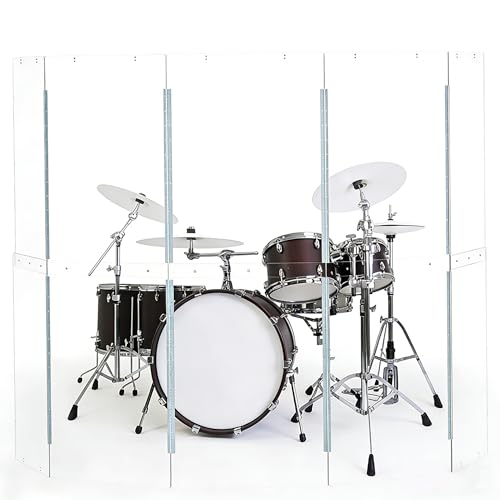
Portable Design – 66% Space Saving: Foldable structure + quick-disassembly design (post-disassembly volume is only 1/3 of traditional drum shields), easily fits into car trunks. Ideal for church tours and mobile performances.

Perfect tool for beginning and advanced drummers
Tuning Relationships Between Heads
Tuning relationships between the batter head and the resonant head play a significant role in shaping the overall sound of a drum. When both heads are tuned to the same pitch, the result is often increased sustain and resonance, enhancing the drum’s sound quality through harmonious vibration. Conversely, tuning the resonant head lower than the batter head typically produces a punchier sound with less sustain, appealing to various musical genres. Additionally, unique tuning relationships—such as setting the resonant head an octave higher than the batter head—can yield distinct sonic characteristics, albeit at the expense of some sustain. Achieving the right balance often requires experimentation, allowing drummers to discover the best tuning that suits their drum set and musical preferences. Technologies like Level 360 Technology can further help in achieving optimal tuning precision between the batter and resonant heads.
Recommended Products

Next-gen V-Drums sound and features powered by Roland’s latest technologies

Expandable V-Drums sound module powered by the same advanced drum engine as the top-tier V71

The first all Maple drum set to carry a Lifetime Warranty for under $1,000,
Choosing the Right Drumheads for Your Sound
How can a drummer select the perfect drumheads to achieve their desired sound? To start, understanding the two primary drumhead types—batter heads and resonant heads—is essential. Batter heads, designed to be struck, come in varying thicknesses (thin, medium, and heavy) to suit different playing styles. In contrast, resonant heads are typically thinner to enhance tone and sustain. Choosing between single-ply and double-ply heads also impacts sound, with single-ply offering openness and double-ply providing control. Additionally, the decision between coated heads, which yield warmer tones, and clear heads, known for brighter sounds, can greatly affect sound quality. Experimenting with combinations of batter heads and resonant heads can ultimately help drummers find the perfect fit for their musical expression. Durability and ease of tuning, often enhanced by technologies like Level 360 Technology, also play a crucial role in selecting the right drumheads.
Recommended Products

DRUMHEADS INCLUDED - Pack includes 10” 12” and 16” dB One Tom Drumheads, 14” dB One Snare Drumhead, and a 22” dB One Bass Batter Drumhead

Genuine Remo heads: Each drum in this set features prestigious Remo brand UT-series heads for both the batter (top side) and resonant (bottom side) head. Remo is the world's largest drumhead company and their products combine industry excellence with classic sound qualities, perfect for any aspiring drummer.

SHOCKWEAVE MESH - Single-ply of EVANS ShockWeave Mesh, combined with Kinetic Transfer Foam (KTF) Technology, which transfers impact energy into sonic vibrations
Frequently Asked Questions
What Is the Difference Between Batter and Resonant Heads?
Like a painter chooses brushes, drummers select batter heads for impact and durability, while resonant heads enhance sound quality with lighter materials. Tuning techniques affect tone, guiding performance preferences and maintenance for ideal results from popular brands.
Can I Use a Batter Head as a Resonant Head?
Using a batter head as a resonant head is inadvisable due to head thickness differences and materials. This switch can adversely affect drum tuning techniques, sound quality, and overall performance, complicating setups and maintenance efforts.
Should Batter or Resonant Head Be Tighter?
Clearly, the batter head should be tauter, while the resonant head might seem like a lazy cousin. Tuning techniques hinge on head materials, sound characteristics, and performance settings, requiring tension adjustments for ideal frequency response across various drum types.
What Is a Resonant Head?
A resonant head, a vital drumhead type, influences sound quality through its vibration characteristics. Material differences affect tone, while tuning techniques and damping effects reflect drummer preferences. Regular maintenance guarantees peak performance in diverse musical contexts.


