As an Amazon Associate, we earn from qualifying purchases. Some links on this site are affiliate links at no extra cost to you. Our recommendations are based on thorough research and editorial judgment.


Preventing Drum Throne Foam Compression Over Time

To prevent drum throne foam compression over time, musicians should prioritize high-density memory foam for superior durability and shape retention. Regularly changing sitting positions enhances comfort by redistributing weight and reducing pressure, while keeping heavy objects off the throne prevents unnecessary wear. Monthly inspections can help catch signs of flattening or deterioration early. Utilizing protective covers shields against sweat and spills, preserving the foam’s integrity. These practices, among others, collectively contribute to a longer-lasting and more enjoyable drumming experience. For additional insights, further exploration can prove beneficial.
Key Takeaways
- Choose high-density memory foam for your drum throne to enhance durability and reduce compression over time.
- Regularly switch sitting positions every 15-30 minutes to distribute weight evenly and minimize localized pressure.
- Utilize gel cushions or contoured seat designs to improve blood circulation and decrease pressure points during long practice sessions.
- Maintain your throne by keeping it free from heavy objects and conducting monthly inspections for visible foam degradation.
- Protect the foam with covers to shield it from sweat and spills, preserving its integrity and increasing its lifespan.
Understanding Foam Compression and Its Effects

You may be interested


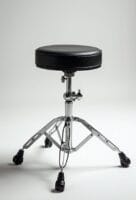
Foam compression is a common issue that many drummers face, and understanding its effects can greatly impact their performance and comfort. Over time, standard foam seats can lose structural integrity, leading to diminished comfort and support during long drumming sessions. Foam compression is particularly problematic since it can inhibit spinal alignment, causing pressure points that may worsen circulation issues. Although memory foam generally retains its shape longer due to its higher foam density, it too can eventually compress, compromising the throne’s cushioning. As the support from the drum throne diminishes, soreness and discomfort may develop, especially around the sit bones. This highlights the importance of choosing high-quality materials for ideal comfort and long-lasting support for drummers during their performances. Drum thrones featuring memory foam seats often help mitigate foam compression and provide enhanced long-term comfort.
Importance of Regularly Changing Sitting Positions

Maintaining comfort and support while drumming goes beyond selecting the right materials; it also involves how one sits on the throne. Regularly changing sitting positions is essential for maintaining peak support. By adjusting weight distribution, drummers can prevent localized pressure that leads to foam compression. When a drumming session extends, staying in one static position may cause discomfort and accelerate wear on the throne. As a result, shifting positions not only enhances durability but also guarantees consistent comfort during performances. Engaging in small movements or stretches can further counteract the effects of foam compression, promoting performance longevity. Ultimately, a flexible approach to sitting will help keep the throne’s cushioning intact, allowing drummers to focus on their craft without distraction. Additionally, selecting a throne with high-density sponge padding can provide better resilience against foam compression over time.
Benefits of Memory Foam Upgrades

When drummers seek to enhance their playing experience, one significant upgrade to contemplate is memory foam for their drum throne. This innovative seat cushion adapts to the drummer’s body shape, offering customized support that distributes weight evenly, which is vital during long practice sessions. Unlike standard foam, memory foam maintains its shape over time, preventing discomfort and reducing lower back strain. By promoting better spinal alignment, it helps drummers maintain an ideal posture, leading to improved technique. Additionally, the density of memory foam allows for better airflow, keeping the throne cool and comfortable. Investing in a memory foam throne can noticeably enhance endurance, allowing musicians to focus on their performance without frequent breaks due to fatigue. Many high-quality drum stools incorporate memory foam cushioning to maximize both comfort and support during use.
Avoiding Prolonged Pressure on Specific Areas
While drumming for extended periods, many musicians unknowingly subject specific areas of their body to prolonged pressure, which can lead to discomfort and even pain. To minimize this risk, frequently shifting seating positions every 15-30 minutes is essential for balanced weight distribution across the throne. Incorporating gel cushions can markedly reduce localized pressure points, enhancing overall comfort during practice. Adjusting throne height and angle is also vital, as improper positioning can cause strain on the lumbar support and sciatic nerve. Additionally, opting for thrones with contoured seat designs or a split configuration can improve blood circulation and alleviate pressure on sensitive areas, promoting a more enjoyable drumming experience without the nagging discomfort of prolonged pressure. Selecting a throne with ergonomic designs and thick foam padding can further enhance comfort and reduce the risk of foam compression over time.
Keeping Heavy Objects Off Your Throne
Many drummers may not realize the significance of keeping their drum thrones free from heavy objects. When equipment, bags, or other items are placed on a throne, the added pressure compresses the foam cushioning, leading to diminished support and potential discomfort during practice or performances. This compression can flatten the foam over time, reducing its ability to promote proper posture and hinder the drummer’s experience. To maintain the throne’s supportive qualities and extend its lifespan, it’s vital to avoid unnecessary stress on the foam. Additionally, using a protective cover can safeguard against wear and tear. By following these practices, drummers can guarantee their throne remains a reliable source of comfort and support throughout their musical journey. For an enhanced practice experience, consider incorporating shock absorption technology to further protect your equipment.
Monthly Inspections to Check for Wear and Tear
To guarantee peak performance and comfort, conducting monthly inspections of a drum throne’s foam cushion is essential for every drummer. During these inspections, one should check for visible flattening or hardening of the foam cushion, as these signs indicate compression and a decline in support. A firm cushion is vital; therefore, by applying pressure with a hand, drummers can assess whether the foam still maintains its original responsiveness. Additionally, monitoring the seating angle and surface texture can reveal changes impacting pressure distribution, potentially causing new discomfort during sessions. If any new soreness arises, it may suggest that the foam has compressed considerably and requires replacement. Regular scrutiny guarantees that drummers maintain ideal comfort levels and performance. Incorporating protective accessories such as drum isolation shields can also contribute to preserving the overall playing environment and comfort by minimizing excessive vibrations and noise.
Rotating Your Sitting Position
Rotating a sitting position during drumming is a practical strategy that can greatly enhance comfort and prolong the life of a drum throne’s foam cushion. By periodically shifting position every 15 to 20 minutes, drummers can distribute weight more evenly across the throne, reducing localized pressure that contributes to foam compression. This simple act not only helps maintain the integrity of the cushion but also engages different muscle groups, resulting in improved overall comfort and reduced fatigue during longer sessions. In addition, adjusting the seating angle encourages better blood circulation, further preserving the cushion’s shape. For those utilizing higher-density memory foam, rotating positions can remarkably enhance both comfort and the foam’s longevity, making it a valuable habit for any drummer. Incorporating triggers with sensitivity and response features into your drum setup can complement physical strategies by enhancing your playing dynamics and overall performance.
Tips for Extending Foam Life
Extending the lifespan of a drum throne’s foam cushion is essential for maintaining comfort during drumming sessions, and several effective strategies can be employed to achieve this goal. First, regularly changing seating angles while playing helps distribute pressure evenly across the foam, minimizing localized compression and delaying foam flattening. Additionally, avoiding heavy objects on the seat when not in use prevents unnecessary compression that can degrade its supportive qualities. Using protective covers can shield the foam from sweat and spills, maintaining its integrity over time. Opting for high-density memory foam instead of standard foam considerably enhances durability and resistance to compression, further aiding the longevity of the drum throne. Together, these approaches promote ergonomic design, maximizing comfort and functionality during practice. Choosing durable materials similar to those used in oak drumsticks can also contribute to prolonged foam life and overall drum throne reliability.
Enhancing Your Drumming Experience Through Maintenance
Although drummers often focus on technique and rhythm, the maintenance of their equipment—particularly their drum throne—can greatly enhance their overall playing experience. One vital aspect of this maintenance is regularly adjusting sitting angles, which helps prevent foam compression and supports prolonged comfort during lengthy sessions. Upgrading to higher-density foam or gel cushions markedly improves shape retention, reducing the risk of flattening over time. Additionally, utilizing protective covers is essential, as they guard the seat material from sweat and spills, promoting longevity. Regularly inspecting screws and tightening them guarantees stability, while consistent cleaning with mild soap can maintain foam integrity. This thorough maintenance approach not only enhances comfort but also maximizes support, ensuring that drummers can perform at their best. Choosing a throne with adjustability features further helps maintain ergonomic positioning and reduces wear on the foam.
Frequently Asked Questions
What Is the 80/20 Rule in Drumming?
The 80/20 rule in drumming emphasizes that successful mastery derives from focused practice on essential drumming techniques, rhythm patterns, and sound dynamics, fostering muscle memory through effective practice habits, metronome use, and understanding music theory on drum kits.
How to Adjust a Drum Throne?
To adjust a drum throne, optimize throne height for posture awareness, ensuring hips align slightly above knees. Utilize adjusting techniques for throne stability, while considering cushion material and seat angle for personalized comfort in ergonomic design.
How Should I Sit on My Drum Throne?
Sitting on a drum throne requires balancing weight with comfortable posture; adjusting throne height guarantees ideal leg positioning and foot placement. A proper seat angle enhances back support, bolstering core stability and preventing fatigue during extended sessions.


