As an Amazon Associate, we earn from qualifying purchases. Some links on this site are affiliate links at no extra cost to you. Our recommendations are based on thorough research and editorial judgment.


Maintenance Comparison: Electronic Vs Acoustic Drums

When comparing maintenance for electronic and acoustic drums, distinct needs emerge that affect functionality and costs. Acoustic drums require regular tuning, head replacements, and hardware inspections, which can be time-consuming and expensive over time. Conversely, electronic drums focus on checking pads and software updates, requiring less maintenance. While acoustic drums provide a richer sound, their upkeep can lead to higher expenses. On the other hand, electronic kits tend to last longer with minimal care, leading to different budget considerations down the line. Discover more insights into these differences.
Key Takeaways
- Acoustic drums require regular tuning and maintenance, including drumhead replacements and hardware inspections, which can be time-consuming and costly.
- Electronic drums demand minimal maintenance, focusing primarily on the functionality of pads and software updates, resulting in lower upkeep costs.
- The initial investment for acoustic drums is typically higher due to quality materials, whereas electronic kits offer a more affordable upfront cost.
- Acoustic drums provide a richer sound but incur higher long-term costs, while electronic drums may face obsolescence impacting future budgets.
- Troubleshooting acoustic drums involves tuning and head adjustments, while electronic drums need firmware updates and checks for malfunctioning components.
Maintenance Requirements for Acoustic Drums
You may be interested


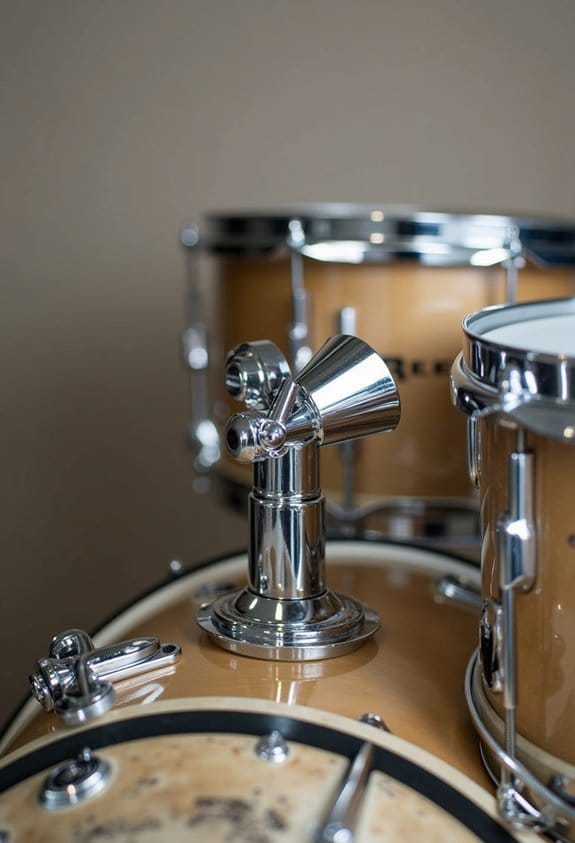
Maintaining acoustic drums is essential for ensuring peak performance and sound quality, and it often involves several important tasks. Regular tuning, a vital aspect of maintenance, requires drummers to adjust the tension of the drumheads to achieve the desired resonance and tone. Additionally, worn-out drumheads and cymbals may need replacement, which could vary in cost based on quality and brand. Drummers must also inspect hardware components, such as stands and pedals, regularly to prevent performance issues. Moreover, environmental factors like temperature and humidity can impact the wood of the drums, necessitating seasonal adjustments. Finally, thorough cleaning, including removing dust from shell surfaces and drumheads, helps to preserve both the appearance and tonality of acoustic drums over time. Regular checks of the pedal springs are crucial for maintaining optimal performance and preventing inconsistent pedal responsiveness.
Maintenance Requirements for Electronic Drums

Unlike acoustic drums, which demand attentive upkeep for tuning, hardware inspections, and environmental adjustments, electronic drums offer a remarkable simplified maintenance experience. The primary focus for maintenance involves ensuring that the electronic components, such as pads and the drum brain, function properly and remain free from dust or debris. Regular checks on pads are essential, as worn-out or malfunctioning pads can hinder performance. While these pads do not require head replacements like their acoustic counterparts, some drummers might opt to upgrade to higher quality pads for enhanced sound and playability. Additionally, electronic drums occasionally require software updates to improve functionality or add new sounds, typically done easily via USB connections or manufacturer websites. Overall, upkeep remains minimal but crucial for peak performance. Furthermore, leveraging USB/MIDI ports can facilitate seamless firmware updates to keep your module optimized.
Long-Term Cost Implications

When considering the long-term cost implications of drumming, one key factor comes into play: the ongoing maintenance and replacement needs associated with each type of drum kit. Acoustic drums often incur higher long-term costs due to frequent tuning, head replacement, and necessary upkeep of cymbals, which can add up considerably over time. Their initial investment is typically larger because of quality materials and construction. In contrast, electronic kits involve lower maintenance needs thanks to their durable components that don’t require tuning, resulting in reduced upkeep expenses. However, while both drum types may require replacement parts, electronic components can be vulnerable to obsolescence, influencing long-term budget implications. Consequently, acoustic drums generally lead to higher expenditures, while electronic drums offer a more financially savvy alternative. Additionally, investing in a quality padded drum bag can reduce replacement costs by protecting acoustic drums during transport and storage.
Troubleshooting and Repairs
Troubleshooting and repairs for both electronic and acoustic drums can present unique challenges and considerations for drummers. Electronic drums often require troubleshooting related to electronic components, such as malfunctioning pads or sound modules. These issues can commonly be addressed through firmware updates or replacement parts. On the other hand, acoustic drums necessitate consistent maintenance, which includes tuning and replacing worn drumheads to maintain sound quality. Connectivity issues can arise with electronic drums, where checking cables and compatibility with software becomes essential. Repair costs for acoustic drums tend to accumulate quickly due to specialized tools needed for tuning. In contrast, electronic drums typically come equipped with user-friendly interfaces, simplifying the troubleshooting process and minimizing repairs related to complex component failures. Moreover, using a digital drum tuner can significantly improve tuning accuracy and efficiency in maintaining acoustic drums.
Practical Considerations for Drummers
Considering the diverse needs of drummers, practical considerations surrounding acoustic and electronic drums often play a vital role in decision-making. Acoustic drums require consistent upkeep, including tuning and changing drum heads, which can be both time-consuming and costly over years. In contrast, electronic drums have minimal maintenance needs; they primarily involve troubleshooting electronic components and occasional pad replacements. While acoustic drums can produce a richer sound thanks to varied materials, their long-term cost is often higher due to ongoing maintenance demands. For drummers seeking a hassle-free experience, electronic kits typically offer longer lifespans without the stress of regular maintenance. Additionally, utilizing sound reduction mats can enhance the experience for those playing in shared spaces, making practical considerations even more essential. Furthermore, understanding the durability and longevity of drumheads is crucial for managing maintenance schedules with acoustic drums.
Frequently Asked Questions
What Are the Disadvantages of Electronic Drums?
Electronic drums often face disadvantages such as poor drum feel, limited practice versatility, and portability issues. Repair costs and long-term durability concerns arise from digital sound systems, while pedal sensitivity and user interface can frustrate drummers.
Should I Buy Electric or Acoustic Drums?
Deciding between electric or acoustic drums hinges on user preferences. Electric kits excel in portability, volume control, and recording capability, while acoustic drums offer superior sound quality. Beginners may favor electric for practice benefits and lower initial costs.
Why Don’t Drummers Use Electronic Drums?
Drummers often shy away from electronic drums due to concerns over drum feel, sound quality, and latency. They prioritize dynamic range and live performance suitability, while also considering practice convenience, portability issues, and overall user experience.
Are Drums High Maintenance?
Drums can be high maintenance, requiring frequent care like regular tuning techniques, component replacement, and cleaning tips. Humidity effects, wear and tear from transport considerations, and proper storage solutions also influence overall sound quality and maintenance frequency.


