As an Amazon Associate, we earn from qualifying purchases. Some links on this site are affiliate links at no extra cost to you. Our recommendations are based on thorough research and editorial judgment.


How Dynamics Shape Musical Phrasing in Drumming

Dynamics shape musical phrasing in drumming by providing emotional depth and enhancing the overall narrative. Variations in volume, such as crescendos and accents, create tension and release, capturing the listener’s attention. Techniques like flams and ghost notes add texture and complexity, allowing drummers to express nuanced ideas. Skilled musicians utilize these dynamics to engage with their bandmates and audience, fostering a shared emotional experience. Discovering more about dynamic practice can further enhance a drummer’s artistry.
Key Takeaways
- Dynamics create emotional contrasts in drumming, enhancing the overall narrative and engaging the audience effectively during performances.
- Variations in volume through accents and ghost notes contribute to nuanced musical conversations and expressive phrasing.
- Controlled dynamics allow for smooth crescendos and decrescendos, building tension and creating impactful musical moments.
- Skilled drummers utilize dynamic phrasing to highlight key rhythmic elements, providing balance between intensity and softness.
- Practicing dynamic variations enhances listening skills and fosters cohesive interactions with other musicians in ensemble settings.
The Role of Dynamics in Drumming

You may be interested

10 Essential Rudiments Every Drummer Should Master
February 22, 2026

Building Four-Way Independence for Drummers
February 22, 2026

Cross-Stick Technique and When to Use It
February 22, 2026
Dynamic variations in drumming play a pivotal role in shaping the character and emotional depth of musical performances. The use of dynamics dictates how loudly or softly notes are played, greatly influencing the piece’s emotional impact. For instance, accents can emphasize key moments, while ghost notes subtly add texture to the rhythm. By mastering the contrast between soft and loud playing, drummers can boost energy levels, enhancing interactions within an ensemble. This dynamic control allows for responsive engagement with fellow musicians, fostering a unified sound that supports the song’s structure. Legendary drummers often highlight that effective dynamics involve not just manipulating volume, but also skillfully evoking emotion through nuanced sound variations. Such mastery defines the art of drumming. Using a drum sound module with advanced sound engines can further enhance a drummer’s ability to express these dynamic nuances.
Recommended Products

DUAL-ZONE TRIGGERING FOR EXPRESSIVE PLAY - Delivers accurate velocity response for accents, ghost notes, and powerful strikes on all major electronic drum modules.

Compact trigger module for acoustic drummers looking to enhance their kits with electronic percussion

Understanding Dynamic Markings

Musicians gain essential insights into expressive performance through the careful study of dynamic markings in music notation. These markings indicate specific levels of volume, guiding drummers in creating contrast and texture in their playing. The six most common dynamic markings, from softest to loudest, include pianissimo (pp), piano (p), mezzo-piano (mp), mezzo-forte (mf), forte (f), and fortissimo (ff). Each marking, often derived from Italian terms, reflects a rich cultural tradition. Understanding dynamic changes is imperative for coordinating with other musicians, fostering cohesive and expressive ensemble performances. Drummers must interpret these dynamics relative to the music’s context, applying them to enhance emotional content. Ultimately, mastering these markings elevates a drummer’s performance, allowing for greater musicality and collaboration. Choosing the appropriate drum heads, such as those with different ply configurations, can greatly influence how dynamics are expressed through tone and sustain.
Recommended Products

10" Clear snare resonant drum head made using a single ply of 2mil film

<p>Evans 14" Clear 200 single-ply snare side head will enhance sensitivity for softer dynamics and brushwork, while reducing sustain for greater articulation. </p><p>Evans snare side Clear 200 heads feature a single ply of 2mil film.</p><p>For over 40 years, Evans has been a pioneer of drum head manufacturing and design. Known for innovative designs such as EMAD, EC2S, and the Hydraulic series, Evans drum heads are made in the USA in a state of the art manufacturing facility. Acquired in 1996 by D’Addario and Company, the global leader in musical instrument accessories, the Evans brand is synonymous with quality and consistency.<p>

COATED DRUMHEAD: This coated drumhead is made for use as a drum set snare batter.
Techniques for Effective Dynamic Control

Effective control of volume and intensity plays a significant role in enhancing a drummer’s artistry. To achieve this, drummers employ techniques that are often taught in drum lessons. Volume control allows for the creation of crescendos and decrescendos, effectively building and releasing tension within a musical phrase. Accents can be emphasized through wrist and finger control, drawing attention to particular beats and enhancing rhythmic expression. In addition, ghost notes introduce subtlety, playing softly on the snare drum to add complexity without overwhelming other elements. Techniques such as flams and drags involve multiple grace notes, enriching the sound. The Moeller Technique—characterized by a whipping motion—enables drummers to deliver powerful accents while ensuring fluidity, making it essential for dynamic control. Developing limb independence is key for integrating ghost notes seamlessly within complex rhythmic patterns and enhancing musicality.
Recommended Products
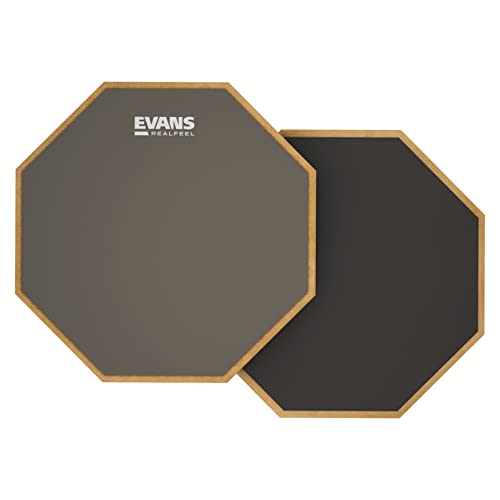
PRACTICE ANYTIME, ANYWHERE - Evans RealFeel Attacktile Drum Practice Pad provides the best practice substitute to acoustic drums. Portable and quiet, it works on any surface including carpet, table, lap or inside a standard snare basket.


[Practice Whenever U Want] - Donner Drum Practice Pad is the perfect practice pad for any drummer which offers an authentic playing experience. You can easily practice your skills at home or the outdoors. Portable and lightweight! it works flexibly on any surface including carpet, table, and standard snare basket. Super long-lasting for kids' use, too!
The Importance of Listening and Awareness
While many may focus solely on their individual playing techniques, a drummer’s ability to listen attentively and maintain awareness within a musical ensemble plays an equally essential role in their overall performance. Developing dynamic control enhances listening skills, allowing drummers to engage meaningfully with fellow musicians. This awareness fosters a keen sense of the musical conversation, enabling drummers to lock in with instruments like the bass, thereby creating a cohesive sound. Timing is critical, as drummers must anticipate accents and dynamic shifts, ensuring their drumming complements the ensemble’s texture. In addition, subtle techniques such as rim clicks can dramatically impact the perceived dynamics, influencing the band’s energy. Ultimately, keen listening promotes versatility, helping drummers respond effectively to the complex layers of a performance. Employing reliable tom drum mounts with adjustability and flexibility can further support a drummer’s capability to deliver precise dynamics by allowing optimal positioning and stability during performances.
Exploring Dynamic Phrasing
Exploring dynamic phrasing opens up a domain of artistic expression for drummers, building upon the awareness gained through attentive listening within a musical ensemble. Dynamic phrasing involves the intentional variation of volume and intensity, enabling drummers to infuse their performances with emotional depth. For instance, contrasting loud and soft playing captivates audiences, enhancing the musical experience. Accents, which emphasize specific notes, allow drummers to highlight vital rhythmic elements, facilitating a nuanced conversation with fellow musicians. Furthermore, effective dynamic phrasing can alter the character of a piece, creating tension or providing a sense of release when needed. This mastery requires understanding the balance between technique, timing, and personal artistic intent, ultimately contributing to more compelling and memorable performances. Utilizing digital drum kits with dual-layer mesh pads can help drummers develop precise control over dynamics and articulation.
Mastering Volume and Stroke Speed
Mastery of volume and stroke speed is essential for every drummer aiming to elevate their performance. Volume control enables drummers to shape musical phrasing by adjusting the intensity of their notes. This variance creates contrasting sections that captivate listeners. Meanwhile, stroke speed influences the length of stick contact with the drumhead. Slower strokes produce deeper tones, while faster strokes yield sharper sounds, allowing for a richer expressiveness. Effective dynamic phrasing also relies on strategic accentuation, where wrist and finger control emphasize certain beats, adding emotional weight. Different combinations of volume and stroke speed can transform a drummer’s rolls, boosting intensity or allowing for softness. Practicing exercises featuring crescendos and decrescendos cultivates essential dynamic control, enhancing overall performance. Incorporating a structured approach to complexity in practice can further refine control over dynamics and phrasing.
Recommended Products
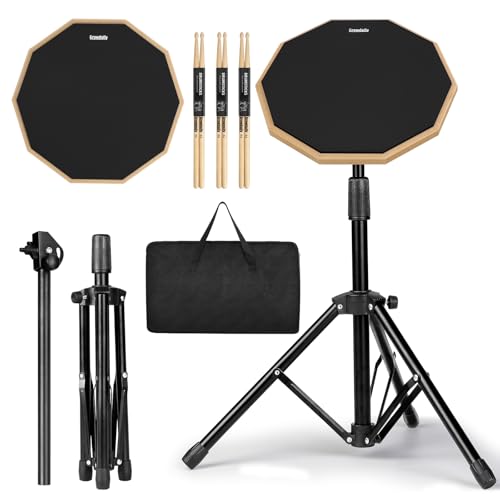
Drum Pad:GrowDaily drum practice pads are the perfect practice pad for any drummer, providing a realistic playing experience with a high resilience rubber and solid poplar base, and high-density shock absorbing cotton for a near snare drum feel.

Equipped with a real drum head for the most accurate practice before a performance
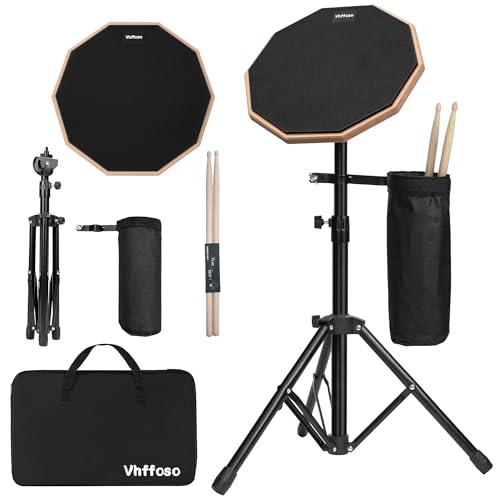
🥁Portable & lightweight: Vhffoso Drum Practice Pad is the perfect practice pad for any drummer. You can practice your skills anywhere anytime.
The Impact of Dynamic Contrast
Dynamic contrast in drumming plays an essential role in shaping the overall sound and emotional impact of a musical performance. This technique refers to the intentional variations in volume, ranging from soft (pianissimo) to loud (fortissimo), which provide expressive depth. By accenting specific notes while maintaining softer surrounding rhythms, drummers considerably alter the perception of rhythm, guiding listeners on an emotional journey. Effective use of dynamic contrast creates tension and release within phrases, enhancing the structure and storytelling of the music. Notable drummers like Buddy Rich and Steve Gadd exemplify this artistry, demonstrating that dynamic contrast involves mastery of musicality and expression, going beyond mere volume and forming a vital component of any performance. The choice of cymbals, including their material durability, can significantly influence the effectiveness of dynamic phrasing by affecting the tonal clarity and response to varying volumes.
Engaging the Audience Through Dynamics
A skilled drummer knows that engaging an audience through dynamic contrasts is essential for creating an immersive musical experience. By utilizing varying volumes and intensities, drummers can evoke emotional responses that enhance listener interest. Well-executed dynamic phrasing, including subtle ghost notes and accent placements, invites deeper connections with the audience, enriching the overall musical texture. This mastery allows drummers to create powerful contrasts, building anticipation and excitement to hook listeners. Additionally, successful engagement demands keen listening and awareness of collective dynamics, enabling drummers to interact musically with their bandmates. As a result, each performance transforms from a showcase of technical skill into a enthralling musical narrative, drawing the audience into a shared emotional journey. Incorporating advanced bass drum techniques like the bass drum bounce method further enhances phrasing complexity and dynamic expression in drumming.
Legendary Drummers and Their Dynamic Artistry
Engagement through dynamics is not only a technique; it is an art form that many legendary drummers have mastered to captivate audiences. Drummers like Steve Gadd, Buddy Rich, and Jeff Porcaro exemplify this artistry with their exceptional dynamic control. Gadd’s nuanced use of ghost notes and accents illustrates how finely crafted volume contrasts can enhance a musical piece’s texture. Rich’s orchestration of loud and soft notes drives rhythm and infuses emotional intensity into his performances. Meanwhile, Porcaro’s signature backbeat, combined with dynamic phrasing, has shaped the very sound of rock drumming. Together, these drummers highlight that true musicianship lies in conveying music’s emotional depth through dynamic variation, emphasizing that it’s not merely about loudness, but expressive artistry. Practicing on quality drum practice pads can significantly aid drummers in developing the subtle control needed for mastering dynamic phrasing.
Practicing Dynamics for Musical Growth
While many musicians may focus solely on rhythm or technical speed, the ability to practice dynamics effectively is a crucial element for any drummer looking to enhance their musical growth. Practicing with a metronome helps maintain consistent timing while incorporating dynamic changes, enabling a drummer to play their snare drum with greater control. Playing along with recorded music allows drummers to apply dynamics in real-time, responding musically to varying intensities within a piece. Additionally, recording practice sessions can provide valuable feedback, highlighting areas for improvement. By gradually increasing tempo, drummers can enhance both speed and control, essential for mastering dynamics across diverse musical styles. Lessons with a qualified instructor can further deepen understanding, providing tailored guidance for developing dynamic skills. Using adjustable stands can improve comfort during long practice sessions, allowing drummers to focus more effectively on their dynamic control.
Recommended Products
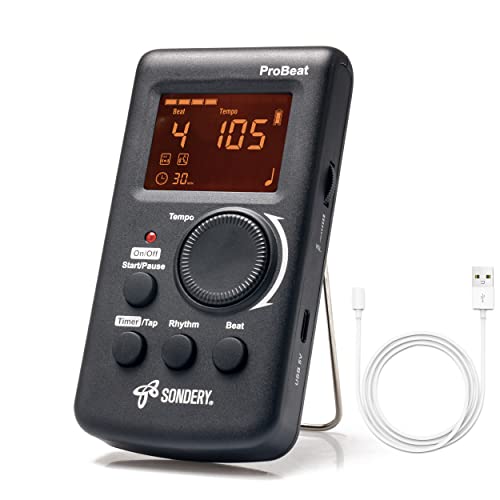
Direct and fast setting of beat, tempo, rhythm by buttons and knobs. Easily reading color screen helps a lot to understand what you want out of your Sondery brand ProBeat digital metronome.
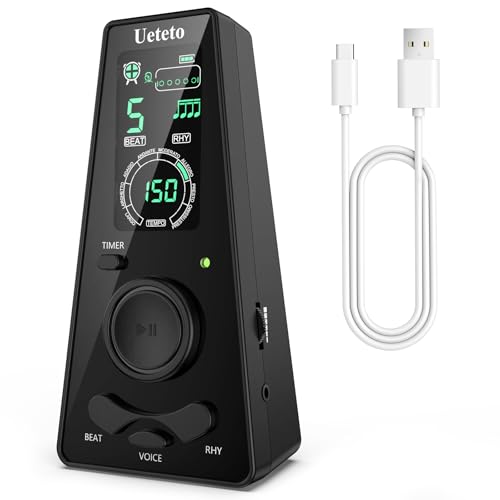
𝐃𝐢𝐠𝐢𝐭𝐚𝐥 𝐌𝐞𝐭𝐫𝐨𝐧𝐨𝐦𝐞 𝐎𝐧𝐥𝐲:This metronome for piano features a clear LCD display, flashing light, 9 rhythm patterns, 10 beats (0,1,2,3,4,5,6,7, 8,9), 40–208 BPM, volume control, and timer options for 15, 30, 45, or 60 minutes. Electronic metronome is ideal for Piano, Guitar, Drums, Ukulele, Harmonica, Saxophone, Bass, Violin, Cello, Banjo, flute, Chromatic, Trumpet, and other instruments. The screen saves power by turning off after 30 seconds and wakes instantly with any button press. (𝐍𝐨𝐭𝐞: 𝐍𝐨 𝐭𝐮𝐧𝐞𝐫 𝐟𝐮𝐧𝐜𝐭𝐢𝐨𝐧)

🎸【TPR ENVIRONMENTAL DRUM HEAD MATERIALS】: 10" Novel design drum pad; More interesting practice pad with the pad with audible metronome beating sound;
Frequently Asked Questions
What Are Dynamics in Drumming?
Dynamics in drumming, often minimized as mere volume control, encompass a vast dynamic range, shaping expressive nuances through accents and ghost notes, transforming monotonous beats into enthralling tales that resonate, albeit humorlessly, with soul-deprived listeners.
What Is the 80/20 Rule in Drumming?
The 80/20 rule in drumming suggests that 80% of musical proficiency stems from mastering 20% of essential drumming techniques. Focusing on key dynamics ultimately enhances performance and engagement through improved phrasing and emotional expression.
What Is Phrasing in Drumming?
Phrasing in drumming involves organizing notes expressively within a passage. Utilizing various phrasing techniques, drummers enhance musical narratives through dynamics and timing, making their performances emotionally impactful and engaging for both the audience and fellow musicians.
What Role Do Dynamics Play in Music How Do They Enhance Musical Performance?
Dynamics play an essential role in music, enhancing performance through dynamic contrast. This variation in volume creates emotional depth, captures audience engagement, and fosters communication among musicians, ultimately enriching the overall musical narrative and experience.

