As an Amazon Associate, we earn from qualifying purchases. Some links on this site are affiliate links at no extra cost to you. Our recommendations are based on thorough research and editorial judgment.


5 Best Drum Pedal Techniques to Elevate Your Drumming Skills

To elevate your drumming skills, focus on mastering advanced bass drum techniques. Experiment with the Yamaha 7210 single foot pedal’s adjustable beater head for tailored responsiveness. Incorporate exercises from “Double Bass/Single Pedal: Bounce Technique For Bass Drum Book 2” to develop your control over duple and triplet rhythms. Additionally, use the “Building Bass Drum Technique” CD to enhance your foot strength and endurance. Exploring these strategies will help you achieve greater rhythmic versatility and creativity in your playing. Keep exploring for more tips!
Key Takeaways
- Master innovative bass drum bounce techniques to enhance rhythm complexity and creativity across various musical genres.
- Develop strong control over duple and triplet rhythms through focused practice, improving overall phrasing and adaptability.
- Utilize exercises from resources such as “Double Bass/Single Pedal: Bounce Technique For Bass Drum Book 2” to strengthen foot speed and endurance.
- Choose high-quality pedals with stable bases and adjustable features for personalized comfort and responsiveness during energetic performances.
- Regularly set practice goals and collaborate with other musicians to refine drumming techniques and enhance overall musical expression.
| Bass Drum Technique for Advanced Rhythms | 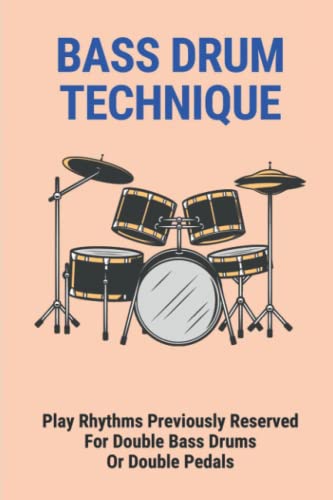 | Advanced Technique | Type: Instructional book | Focus Area: Bass drum rhythms | Skill Level: Advanced | VIEW LATEST PRICE | Read Our Analysis |
| Yamaha 7210 Single Foot Pedal with Single Chain Drive | 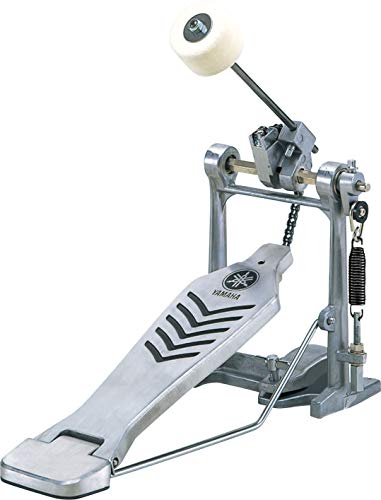 | Smooth Performance | Type: Single foot pedal | Focus Area: Single chain drive performance | Skill Level: Intermediate | VIEW LATEST PRICE | Read Our Analysis |
| Double Bass/Single Pedal: Bounce Technique For Bass Drum Book 2 |  | Comprehensive Control | Type: Instructional book | Focus Area: Single pedal control | Skill Level: Intermediate | VIEW LATEST PRICE | Read Our Analysis |
| Building Bass Drum Technique CD included | 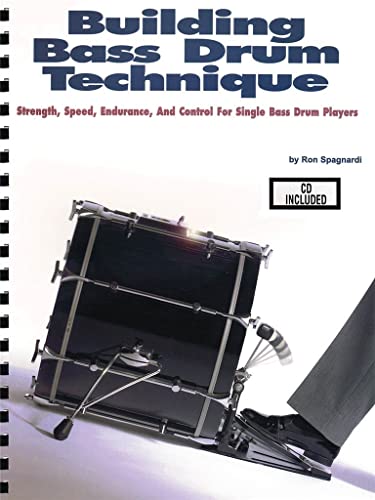 | Strength & Endurance | Type: Instructional book with CD | Focus Area: Single bass drum technique | Skill Level: Beginner to Intermediate | VIEW LATEST PRICE | Read Our Analysis |
| Double Bass Drum Pedal with Adjustable Beater Head |  | Versatile Power | Type: Double bass drum pedal | Focus Area: Double bass performance | Skill Level: All levels | VIEW LATEST PRICE | Read Our Analysis |
You may be interested


More Details on Our Top Picks
Bass Drum Technique for Advanced Rhythms
If you’re a drummer looking to elevate your skills and tackle complex rhythms often associated with double bass techniques, “Drum Pedal Techniques” is the perfect choice for you. This book focuses on an innovative bass drum bounce method, empowering you to tackle phrases in duple and triplet rhythms. With 25 years of professional experience in genres like jazz, rock, and funk, the author provides exercises tailored to enhance your creativity and ability across various tempos and styles. You’ll discover the crucial role of your bass drum, helping deliver powerful beats during live performances, making you a more versatile player.
- Type:Instructional book
- Focus Area:Bass drum rhythms
- Skill Level:Advanced
- Exercises/Content:Technique exercises
- Construction Material:Paper
- Included Resources:None
- Additional Feature:Author with 25 years experience
- Additional Feature:Focus on creative phrasing
- Additional Feature:Bass drum bounce method
Yamaha 7210 Single Foot Pedal with Single Chain Drive
The Yamaha 7210 Single Foot Pedal with Single Chain Drive stands out as an excellent choice for drummers seeking a reliable and responsive pedal that enhances their playing experience. Weighing just 2.88 pounds, it’s both lightweight and durable, thanks to its aluminum alloy construction. The smooth single-chain drive system guarantees consistent response, making it ideal for dynamic playing across genres. You can even adjust the beater angle for a personalized feel. With its classic felt beater, you’ll achieve a warm, balanced tone perfect for everything from jazz to rock. Plus, its reinforced frame provides stability during high-energy performances.
- Type:Single foot pedal
- Focus Area:Single chain drive performance
- Skill Level:Intermediate
- Exercises/Content:Beater adjustment
- Construction Material:Aluminum alloy
- Included Resources:None
- Additional Feature:Lightweight at 2.88 lbs
- Additional Feature:Customizable beater angle
- Additional Feature:Reinforced frame for stability
Double Bass/Single Pedal: Bounce Technique For Bass Drum Book 2
Drummers looking to elevate their skills will find “Double Bass/Single Pedal: Bounce Technique For Bass Drum Book 2″ an invaluable resource in their practice arsenal. This book, the second in Paul Shaw’s series, focuses on mastering single pedal bass drum techniques through 30 exercises and 35 etudes. You’ll enhance your control over triplets, duples, and various rhythmic combinations. As you progress, you’ll also explore essential drum styles that apply what you’ve learned. Plus, chapters on waltz and odd time signatures will expand your rhythmic versatility, allowing you to push your bass drum performance to new heights.
- Type:Instructional book
- Focus Area:Single pedal control
- Skill Level:Intermediate
- Exercises/Content:30 exercises, 35 etudes
- Construction Material:Paper
- Included Resources:None
- Additional Feature:30 exercises and 35 etudes
- Additional Feature:Focus on odd time signatures
- Additional Feature:Comprehensive rhythmic control
Building Bass Drum Technique CD included
For aspiring single bass drum players looking to elevate their skills, the “Building Bass Drum Technique” CD serves as an invaluable resource. This CD complements the book by providing audio examples that help you better understand the exercises and concepts presented. Targeting foot strength, speed, endurance, and control, it focuses on the unique challenges of single bass drumming. The eight sections feature rhythmic exercises that range from 8th notes to 32nd notes. With a speed and endurance program, accent study, and demanding solos included, you can systematically develop your skills, making this CD an essential tool for your practice sessions.
- Type:Instructional book with CD
- Focus Area:Single bass drum technique
- Skill Level:Beginner to Intermediate
- Exercises/Content:Rhythmic exercises and solos
- Construction Material:Paper
- Included Resources:CD included
- Additional Feature:Eight progressive sections
- Additional Feature:Included practice CD
- Additional Feature:Challenging intricate solos
Double Bass Drum Pedal with Adjustable Beater Head
A versatile double bass drum pedal equipped with an adjustable beater head stands out as an ideal choice for musicians who seek precision and adaptability in their performances. This pedal features a double chain drive that enhances sensitivity and guarantees stability during vigorous playing. With its sturdy construction, it can withstand heavy impacts and continuous use, making it a reliable option for various music styles, including rock and jazz. The adjustable beater allows you to customize the rebound force and hammer angle, catering to your unique playing style while improving overall performance efficiency, so you can focus on mastering complex rhythms effortlessly.
- Type:Double bass drum pedal
- Focus Area:Double bass performance
- Skill Level:All levels
- Exercises/Content:Customizable performance features
- Construction Material:Metal materials
- Included Resources:None
- Additional Feature:Double chain drive system
- Additional Feature:Non-slip rubber pads
- Additional Feature:Personalized adjustments available
Factors to Consider When Choosing Drum Pedal Technique

When choosing your drum pedal technique, think about several key factors that can really shape your playing. You’ll want to take into account things like your personal play style, the quality of your equipment, and how fast you can control your foot for different rhythms. By weighing these elements, you can enhance your versatility and emphasize the rhythmic variety that makes your drumming unique.
Technique Versatility Importance
While you might think that choosing a drum pedal technique is merely about personal preference, the importance of technique versatility cannot be overstated. Having a range of techniques allows you to adapt your playing to various genres, greatly enhancing your musicality. By mastering skills for both duple and triplet rhythms, you can tackle intricate patterns often associated with double bass pedals, pushing your rhythmic boundaries. Engaging in exercises across diverse time signatures strengthens your ability to perform in unconventional settings. A robust bass drum technique not only helps in executing dynamic solos but also boosts your creativity. Regularly practicing rhythmic exercises—from 8th notes to 32nd notes—will improve your foot strength and overall endurance, transforming you into a more versatile musician.
Equipment Quality Considerations
Choosing the right drum pedal can feel as crucial as picking the perfect pair of drumsticks; it directly impacts your playing experience and overall sound. One of the first factors to evaluate is the construction material. High-quality metals or aluminum alloys offer durability for frequent use. Next, assess the pedal’s drive system—single or double chain drives influence response and precision, which are imperative across different music genres. Adjustability features, such as beater angle and rebound force, allow you to customize your setup, enhancing comfort while drumming. Don’t overlook the stability of the base; a thickened baseboard with non-slip pads secures your foot movement. Ultimately, if you travel often, regard weight and portability without sacrificing performance reliability.
Personal Play Style
Understanding your personal play style is as important as selecting high-quality drum pedal equipment. Your technique can greatly shape how you express different rhythms and patterns. For instance, using the bass drum bounce method allows you to perform long phrases in both duple and triplet forms, which can be essential for varied genres like jazz and rock. Consider your comfort with the pedal mechanics, as customizable features—such as adjusting the beater angle—can enhance your playing feel. Additionally, strengthening your proficiency through specific exercises helps improve your versatility, letting you tackle various tempos and styles more expressively. Ultimately, recognizing your unique preferences will let you choose the technique that best suits your musical expression and comfort.
Foot Speed and Control
Achieving excellent foot speed and control is essential for any drummer looking to master their craft. Effective foot speed allows you to execute complex rhythms while maintaining a steady tempo across styles, whether it’s jazz or rock. To develop control, practice techniques that improve coordination between your foot and the bass drum pedal. Focus on exercises that emphasize triplet and duple rhythms; these can greatly enhance your foot speed and bass drum performance. Regular practice with a structured program builds both endurance and speed, enabling more dynamic playing. Additionally, experimenting with adjustable beater angles and custom settings on your pedal can help you find the ideal configurations that match your playing style and boost your overall foot control.
Rhythmic Variety Emphasis
Building on the importance of foot speed and control, incorporating rhythmic variety into your drum pedal techniques can elevate your playing to new heights. By embracing different time signatures, you’ll enhance your versatility, making you a more adaptable drummer across various musical styles. Practicing exercises that focus on duple and triplet rhythms expands your phrasing capabilities, allowing for complex patterns that impress listeners. Additionally, experimenting with variations in tempo and rhythmic groupings boosts your overall control and creativity during performances. Techniques like bounce methods enable you to execute extended phrases, facilitating seamless shifts between rhythmic feels. Ultimately, developing your skill in both straight and syncopated rhythms deepens your understanding of rhythm, which is essential for collaborating effectively in band settings.
Durability for Performance
When you’re choosing a drum pedal, durability is a key factor that can’t be overlooked, especially if you plan to play regularly or in high-energy settings. Opt for pedals constructed from high-quality metals, as they reduce wear and last longer through intensive use. Pay attention to features like a reinforced frame, such as a horizontal frame brace, which adds stability during energetic performances. Consider double chain drive systems, too; they often provide greater durability and consistent performance. Don’t forget about non-slip rubber pads—they keep your pedal firmly in place while playing. Finally, customizable aspects like adjustable beater angles help you fine-tune your setup, making the pedal more resilient for various playing styles.
Frequently Asked Questions
How Do I Maintain My Drum Pedals for Optimal Performance?
To maintain your drum pedals for peak performance, start by regularly cleaning them. Dust and grime can affect your speed and responsiveness, so wipe them down after each session. Check the springs for tension and adjust as needed, ensuring they remain balanced while you play. Lubricate moving parts with grease to prevent squeaks and to enhance fluid motion. Finally, inspect for wear and replace any damaged components to keep everything functioning smoothly.
What Are the Signs of a Worn-Out Drum Pedal?
You’ll recognize a worn-out drum pedal by several signs. First, if the response feels sluggish or less sensitive, it may be time for a replacement. Look for visible wear, like cracks or a frayed strap, which affects performance. Additionally, unusual noises, such as squeaks or rattles, indicate that parts are degrading. Finally, if the footplate shifts during use, it could signal internal damage, meaning your pedal needs attention to keep your drumming sharp.
Can I Use Any Pedal With My Drum Kit?
Yes, you can use many different pedals with your drum kit, but compatibility’s key. Most pedals fit standard bass drum sizes, typically between 18 and 22 inches. While you might find single or double pedals, selecting one that matches your playing style is essential. For example, heavier drummers might prefer more robust pedals. Always check the pedal’s compatibility with your kit’s hardware, ensuring a smooth and effective setup for your drumming experience.
How Does Pedal Tension Affect My Playing Style?
Pedal tension greatly impacts your playing style. For instance, a study found that drummers using lighter tension can achieve up to 30% faster foot speed compared to those using heavier tension. With lower tension, you can play faster and execute intricate rhythms more smoothly. However, if you prefer power and control, a tighter setup may give you that solid foundation. Experimenting with different tensions will help you discover what feels right for your unique style.
What Exercises Can Help Improve Foot Speed on the Bass Drum?
To improve your foot speed on the bass drum, try exercises like single strokes and doubles. Start with a metronome set at a comfortable beat, gradually increasing speed. Focus on control and consistency; practice heel-up and heel-down techniques to find what suits you best. Speed drills, such as the “4 on the floor” pattern, can also help. Remember, it’s all about muscle memory, so stay patient and persistent as you refine your technique.


