As an Amazon Associate, we earn from qualifying purchases. Some links on this site are affiliate links at no extra cost to you. Our recommendations are based on thorough research and editorial judgment.


Cross-Stick Technique and When to Use It

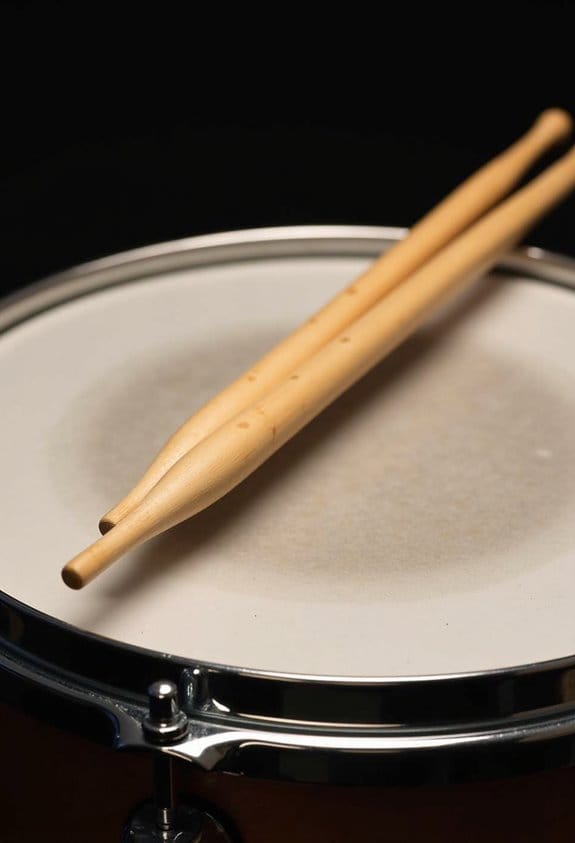
The cross-stick technique is a drumming method that creates a soft, clicking sound by striking the rim of the snare drum with a flipped stick. Drummers often use this technique in genres such as jazz, reggae, and soft rock to add a subtle texture to their performance. It is especially effective for maintaining a rhythmic feel without overpowering other instruments. Mastering this technique requires practice, and there are many tips and tricks available to enhance skill and versatility.
Key Takeaways
- The cross-stick technique creates a softer, woodblock-like sound, making it suitable for genres like jazz, reggae, and softer rock.
- It is often employed on the second and fourth beats to replace snare hits, enhancing rhythmic integrity without overpowering dynamics.
- The technique is effective in adding subtle textures to musical phrases, complementing the overall sound without causing excessive volume.
- Using wire brushes with cross-sticks enhances the softer sound, making them perfect for jazz and other mellow musical styles.
- Incorporating the cross-stick technique allows drummers to explore new tonal possibilities and versatility in various musical contexts.
Understanding the Cross-Stick Technique
You may be interested

The cross-stick technique, often referred to as rim click, is a unique drumming method that offers a distinctive sound different from traditional snare hits. Executed by flipping the drumstick to hold the opposite side, this technique produces a woodblock-like sound, which serves as an engaging alternative. To effectively perform the cross stick, one must maintain about an inch of the stick visible at the back, with the tip positioned toward the drum and the hand resting on the snare for support. This click sound is created when the fat portion of the stick strikes the rim while the fingertips lightly touch the drum’s surface. Versatile and dynamic, the cross stick can enhance rhythm in various music styles, including rock, jazz, and reggae. Using quality drum gear with durable materials and proper protection can help preserve the instrument’s tone and extend its lifespan.
The Difference Between Cross-Stick and Rim Shot

In the world of drumming, understanding the nuances of different techniques can greatly enhance a musician’s performance. The cross stick, often referred to as a rim click, involves a unique grip and produces a softer, clicky sound, ideal for styles like jazz and reggae. In contrast, a rim shot is executed by striking both the snare head and rim at once, yielding a powerful dynamic sound. Where the cross stick reduces the snare’s volume, the rim shot adds emphasis and intensity, often suited for high-energy genres. Musicians often use the cross stick by positioning the stick’s tip towards the drum, focusing on control, while the rim shot is more direct, maximizing projection and impact. Using wire brushes can further complement the soft sounds produced by the cross-stick technique, especially in jazz drumming contexts.
Executing the Cross-Stick: Step-by-Step Guide
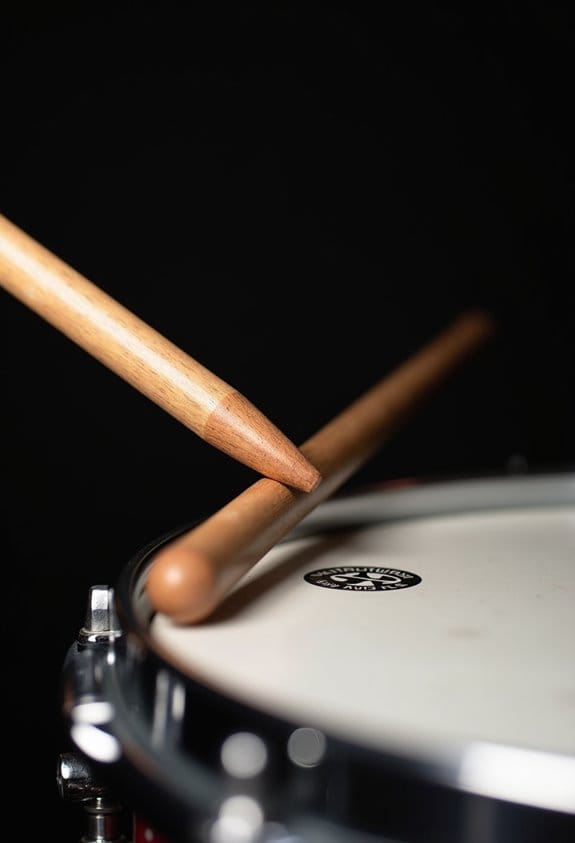
Executing the cross-stick technique effectively can transform a drummer’s sound and enhance rhythmic dynamics. To begin, a drummer should flip the drumstick, grasping it by the opposite side, ensuring about an inch of stick is visible at the back. Then, the stick’s tip is positioned toward the drum while the hand rests comfortably on the snare, maintaining approximately an inch of distance from the rim. The goal is to create a distinct click sound; this happens when the fat portion of the stick strikes the rim, with the fingertips potentially touching the drum for added resonance. Incorporating the cross-stick into grooves involves replacing snare hits on the second and fourth beats, enriching the rhythm across various musical genres during drum lessons. For optimal sound and control, mastering proper grip and thumb positioning is essential when executing this technique, as emphasized in several key techniques for drum stick control.
Recommended Products

Wave Trigger Technology

Designed in conjunction with one of Japan's top drummers, Akira Jimbo

【DM-8 Flagship Digital Drum Kit】 The flagship digital drum kit by NUX engineered for drummers who demand realism, flexibility, and pro‑level performance. Whether you're rehearsing at home, recording in the studio, or rocking out on stage, the DM-8 delivers an acoustic‑like feel paired with the convenience and versatility of modern e‑drums.
Sound Production: Crafting the Perfect Click
Crafting the perfect click sound through the cross-stick technique requires a nuanced understanding of how the drumstick interacts with the drum’s rim. This technique emphasizes striking the rim rather than the drumhead, producing a distinct, sharp click. To achieve the best sound, the fat portion of the stick should make contact with the rim, while the tip may lightly touch the drum’s surface, creating a unique auditory effect. Additionally, holding the stick at an angle that leaves about an inch exposed in the back enhances the clarity of each strike. The resulting sound is quieter than a rim shot, making it ideal for delicate rhythms across various musical genres, effectively blending with softer instrumentation. Regular practice helps drummers master this technique. Using mesh drum heads can further complement this technique by providing sound reduction suitable for quieter practice settings.
Recommended Products

Powerful Performance Capabilities: This professional 9-piece electronic drum set includes 12" two-piece independent hi-hat, 8" kick tower, 12" triple-zone ride cymbal, 10" dual-zone snare, three 8" dual-zone toms, and 11" dual-zone crash cymbals with choke function. The responsive mesh heads offer natural rebound and an expansive dynamic range, while the two-piece hi-hat and triple-zone ride cymbal provide expressive sound and precise control. A reinforced H-frame rack ensures rock-solid stability, letting you focus solely on your performance.

IDEAL KIDS DRUM SET - Eastar EDS-350 smaller all-in-one complete drum set, one of the perfect beginner drum set that allows youngsters to practice on since the best suitable current kid-size. The drum shells are made of cross-grained poplar for strength, even vibration, and loud sound.

Special sound absorbing mesh reduces volume by up to 90% so you can practice quietly
Incorporating Cross-Stick Into Your Grooves
The integration of the cross-stick technique into percussion grooves opens up a world of sonic possibilities for drummers seeking to refine their sound. By replacing snare drum hits on the second and fourth beats with cross-stick sounds, players can achieve a softer dynamic contrast. Drummers should practice incorporating cross-stick patterns into their playing, enabling a smooth shift from traditional snare hits. This technique not only diversifies the sound but also fosters personal expression through rhythmic variation. As drummers develop their skills, they can utilize specific grooves that include cross-stick, honing rhythmic consistency and adaptability on stage. Joining free weekly drum rudiment classes can further enhance technique, while drummers can also flip the stick around to explore new sounds on their drum set. To ensure steady timing and enhance coordination when practicing cross-stick patterns, it is beneficial to use a metronome during practice.
Recommended Products

Complete Serato DJ System – DJ Controller for Serato DJ Lite (Included) with 4 decks of control, built-in 24-bit audio interface and plug and play USB connectivity for Mac and PC

PREMIUM MESH PAD DESIGN & TRUE ACOUSTIC FEEL Equipped with 7 high-sensitivity mesh pads that deliver authentic drum rebound and natural playability. Built-in noise reduction and anti-crosstalk technology suppress vibration, resonance and accidental cross-triggering, ensuring every strike produces clean, crisp and well-defined drum hits.

HIGH-QUALITY CONSTRUCTION: Crafted from durable wood, the SC-20BK 20" bass drum hoop is designed for long-lasting performance and stability, making it an essential upgrade for any drummer.
Versatility Across Musical Genres
Versatility defines the cross-stick technique, as it seamlessly adapts to a range of musical genres, enriching the overall sound and feel of various styles. In rock music, this stick technique creates dynamic contrast by replacing traditional snare hits on beats two and four, thereby adding intensity. Jazz drummers appreciate the subtlety the cross-stick brings, enhancing grooves and solos with its softer, percussive sound. In Latin music, it contributes to intricate rhythms, perfect for lively dance beats. Reggae and Caribbean styles benefit as well; the relaxed feel of the cross-stick complements offbeat accents beautifully. By exploring the cross-stick across genres, drummers can develop personal expression, ultimately crafting a unique sound reflective of their musical journey. Using nylon tip drumsticks can enhance the clarity and articulation of the cross-stick technique in performance.
Tips for Practicing the Cross-Stick Effectively
Practicing the cross-stick technique requires intentional focus and patience for drummers keen to master this unique sound. To effectively improve this skill, drummers should experiment with Cross Stick Variations, beginning by flipping the stick to hold the opposite side. Keeping about an inch of the stick visible allows for better control. When striking the drum, the tip should be positioned toward the drum, maintaining a small gap for an ideal click sound. Integrating cross-stick hits into grooves, particularly on beats two and four, enhances overall rhythm dynamics. Drummers should also focus on rolling back the tip to achieve a balanced wood-on-wood sound, while exploring different musical styles like rock, jazz, and reggae encourages personal expression and versatility. Additionally, using replacement parts like high-quality stainless steel springs can improve the consistency of pedal responsiveness, indirectly supporting better control during performance.
Recommended Products

High-resolution sound triggering with accurate positional detection

Fits 2017 - 2024 Ford F-250/350/450 Super Duty 8' 2" Bed (98.1")

Designed with Japanese drummer Akira Jimbo
Common Mistakes to Avoid With Cross-Stick
While mastering the cross-stick technique can sound straightforward, many drummers unknowingly fall prey to a few common mistakes that may hinder their progress. One noteworthy pitfall involves excessive wrist movement; maintaining a fluid and controlled motion is crucial for achieving a consistent sound. Additionally, striking the rim at the correct angle guarantees a clear, sharp “click,” while poor angles can dampen quality. A tight grip on the stick can stifle resonance, so a relaxed hold is preferable. Furthermore, positioning the stick incorrectly can produce unwanted tones. Finally, integrating cross-stick into grooves should be approached slowly before increasing tempo, as rushing can lead to errors. By addressing these mistakes, drummers can enhance their cross-stick playing considerably. Avoiding tension and ensuring stability during play are equally important for maintaining sound consistency and performance quality.
Expanding Your Drumming Repertoire With Cross-Stick
The cross-stick technique opens up a world of possibilities for drummers enthusiastic to enhance their musical expressions. Its distinctive woodblock sound offers a softer alternative to the snare, making it a valuable tool in rock music to maintain rhythmic integrity. In jazz, drummers use the cross-stick to create subtle textures, allowing for musical dialogue among instruments. Additionally, in Latin music genres, this technique adds rhythmic depth by substituting snare hits on backbeats. By incorporating these creative applications of the cross-stick technique, drummers not only expand their repertoire but also gain the ability to explore new sounds and dynamics. Practicing this technique encourages personal expression, enabling drummers to become more versatile and innovative musicians in their performances. Using rubber drum mallets can complement the cross-stick technique by providing softer mallets that produce warm sounds and reduce strain.
Recommended Products

Complete 4-Pair Set – Includes one pair of hickory SD2 drumsticks, one pair of 1.25 inch rubber xylophone mallets, one pair of RP1 general timpani mallets, and one pair of medium keyboard mallets.

Spherical head provides a consistent striking surface

Spherical head provides a consistent striking surface
Frequently Asked Questions
What Is the 80/20 Rule in Drumming?
The 80/20 rule in drumming emphasizes that 80% of progress stems from 20% of techniques, promoting drum efficiency. By focusing on fundamental skills, drummers can greatly enhance their performance through targeted, effective practice strategies.
How to Do a Cross Stick?
Skillfully striking the snare forms the foundation of effective stick control. To execute a cross stick, flip the drumstick, maintain proper positioning, and aim to produce a resonant click by adhering to the rim.
Who Is the Most Technically Skilled Drummer Ever?
The title of the most technically skilled drummer ever remains contentious among drummer legends. Buddy Rich, Neil Peart, Michael Portnoy, and Virgil Donati each represent distinct skill sets, enchanting audiences with their extraordinary drumming abilities across genres.
Why Do Drummers Cross Their Sticks?
Drummers cross their sticks to achieve a unique sound, utilizing precise stick placement that strikes the rim. This technique enriches rhythmic textures, allowing for softer dynamics and versatility across various musical genres.


