As an Amazon Associate, we earn from qualifying purchases. Some links on this site are affiliate links at no extra cost to you. Our recommendations are based on thorough research and editorial judgment.


The Moeller Technique Explained Step by Step

The Moeller Technique is a method of drumming that enhances efficiency and control through three primary motions: down-stroke, tap stroke, and up-stroke. Originating from military drumming practices, it emphasizes a relaxed grip to optimize stick balance. Practicing full strokes and variations, like double strokes and ghost notes, develops coordination and speed. This technique is essential for achieving dynamic control, helping drummers create powerful sounds with minimal effort. Learn how to master these concepts and improve your drumming skills further.
Key Takeaways
- The Moeller Technique focuses on three essential motions: down-stroke, tap stroke, and up-stroke for efficient drumming.
- A proper stick grip centers on the fulcrum for balance, allowing for fluid and relaxed movements.
- Master the full stroke, tap stroke, and pull stroke to enhance coordination and control between both hands.
- Incorporate fundamental exercises like 3-note and 4-note Moeller drills to develop stick control and improve speed.
- Personal instruction is crucial for refining technique and preventing bad habits in grip, posture, and dynamics.
What Is the Moeller Technique?
You may be interested


The Moeller Technique, while rooted in historical military practices, is a modern approach to drumming that prioritizes efficiency and agility in hand movements. Developed by Sanford A. Moeller, this drumming method emphasizes a whipping motion that enhances hand speed, control, and power. Documented in his 1925 manual, “Instructor in the Art of Snare Drumming,” the Moeller Method presents three essential motions: the down-stroke, which delivers a powerful hit; the tap stroke, focusing on rebound; and the up-stroke, facilitating smooth shifts. This technique is adaptable to various drumstick grips—traditional, vintage, and modern—making it valuable for drummers of all styles. Ultimately, mastering the Moeller Technique considerably improves overall drumming proficiency and simplifies the execution of rudiments. Using a drum practice pad can help drummers develop the control and rebound required for mastering these motions in a quiet practice environment.
The Origins of the Moeller Technique

Roots of the Moeller Technique can be traced back to the experiences and insights of Sanford A. Moeller, who was born in 1878 and served in the Spanish-American War. This experience influenced his unique drumming style considerably. Moeller first documented his method in the 1925 manual, “Instructor in the Art of Snare Drumming,” which became a classic reference. His inspiration stemmed from military drummers, particularly the dynamic whipping motion displayed during the Civil War, which he adapted for a more efficient technique. Remarkably, the Moeller Technique gained traction through the accomplishments of students like Gene Krupa and instructors such as Jim Chapin. Today, it is celebrated for its versatility with stick grips and its emphasis on enhancing drummers’ speed and control. Modern drummers often explore combining this technique with dual-zone capabilities to further refine their performance and sound dynamics.
Proper Stick Grip for the Moeller Method

Mastering the proper stick grip is essential for effectively applying the Moeller Technique, as it directly influences how fluidly a drummer can execute strokes. The proper stick grip focuses on finding the fulcrum point, ideally at the balance point of the stick, typically between the first and second fingers. A relaxed grip is fundamental; gripping too tightly can limit the necessary bounce and fluidity. Drummers should balance the stick on a finger to optimize fulcrum and allow for smooth pivots during play. Comfort and stability are crucial for control, preventing fatigue during longer practice sessions. While grip styles may vary—traditional, vintage, or modern—they must always facilitate proper wrist motion and stick bounce for successful Moeller strokes. Incorporating a relaxed grip technique improves movement and enhances control, which is vital for executing Moeller strokes effectively.
Recommended Products

The Entire 16 Piece Nut File Set Perfect for any Job, any Instrument. Includes: .010", .013", .017", .020", .024", .028", .032", .036", .042", .046", .050", .056", .065", .085", .105", .130". Comes with an Organizational Storage Case and a Handy Cleaning Brush: 12" x 7" x 2"

Uses commonly available 4-1/2" x 9-1/8" hook-and-loop or 4-1/2" x 11" half sheet abrasive paper
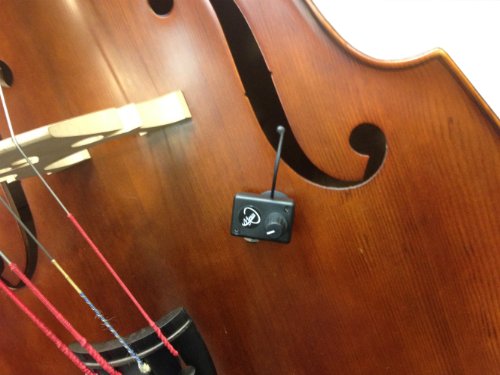
Versatile, Multi-Instrument, Powered Pickup! The smallest (all-in-one) active/preamp pickup on the market today! Complete out of the box, plug and play! Flexible micro-gooseneck that picks up only the natural sound of your instrument!
Learning the Full Stroke
Achieving proficiency in drumming involves understanding various techniques, one of which is the full stroke. This technique is executed by lifting the drumstick to shoulder height, which maximizes the potential for a powerful strike. To perform the full stroke effectively, a drummer must drop their arm downward while allowing the wrist to create a whipping motion, essential for generating both speed and control. Keeping the wrist loose during this downward movement facilitates a fluid and effective whipping action. Regular practice of the full stroke not only strengthens the arm and wrist muscles but also enhances overall playing efficiency. Additionally, mastering the seamless shift between lifting the stick and striking the drum considerably contributes to a drummer’s proficiency. Incorporating specific practice routines can help develop the muscle memory necessary for mastering the full stroke.
Recommended Products

OVAL TIP FOR RICH TONE: Produces full cymbal wash and articulate drum strokes across genres

2 surface types with realistic feel and response

Understanding Additional Strokes
How can drummers elevate their skills beyond the full stroke? By mastering additional strokes such as the tap stroke, musicians can refine their technique and enhance overall performance. The tap stroke is characterized by a small, low-volume hit, starting and ending close to the drum surface. This gentle sound requires precision and control. Following the tap stroke, drummers execute the pull stroke, where the stick is lifted back to shoulder height, preparing for the next movement. Practicing these strokes with both hands develops evenness and coordination across limbs. Mastering these additional techniques not only improves speed and control but also allows for smoother shifts within the Moeller Method, adding depth and dynamic expression to a drummer’s overall playing style. Using a stable practice pad stand can significantly aid drummers in developing these strokes by providing a consistent and ergonomic practice surface.
Recommended Products
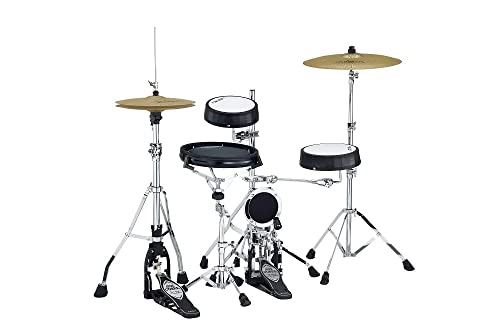
Drum Practice Pad Kit with Snare Pad

Delivers a complete outfit for percussionists who travel

All-in-one Drum Pad and mounting stand bundle
Integrating Strokes for Proficiency
Integrating various strokes is essential for drummers seeking to enhance their proficiency within the Moeller Technique. By combining the full stroke, tap stroke, and pull stroke into a fluid motion, drummers can maximize their efficiency and speed. Aiming for three hits per complete motion results in a smooth roll effect, allowing one hand to produce multiple hits seamlessly. Regular practice of these integrated strokes strengthens the muscles and leads to improved speed and control. Additionally, focusing on the fluidity between each stroke helps develop smoother shifts, creating a more professional sound in drumming. Utilizing instructional materials, like Mike Michalkow’s Moeller Method Secrets DVD, can provide valuable insights to refine these techniques and enhance overall performance. To further refine control and subtlety in your playing, incorporating soft stick control techniques can significantly enhance the dynamic texture of your drumming.
The Fundamental Exercises
The Fundamental Exercises of the Moeller Technique serve as essential building blocks for aspiring drummers, refining their skills and enhancing overall performance. These exercises consist of three key variations: the 3-note Moeller, 4-note Moeller, and 2-note Moeller, each targeting distinct aspects of drumming. The 3-note Moeller, played in triplets, incorporates essential motions and stick control, leading to improved mastery. In contrast, the 4-note Moeller uses eighth or sixteenth notes, adding complexity with an extra tap stroke, enhancing coordination. Meanwhile, the 2-note Moeller focuses on quick wrist control through simple down-strokes and up-strokes, aimed at refining speed. It’s advised for drummers to practice hands separately initially, ensuring consistent technique before integrating these variations into their overall routine. Incorporating the correct drum head variety with Level 360 Technology can further improve sound control while applying these exercises.
Recommended Products


Shira Kashi Oak Drumsticks with Oval-shaped Tips

African Grass & Birch in one combo pack
Applying the Moeller Technique to Fast Patterns
Applying the Moeller Technique to fast patterns opens up a world of rhythmic possibilities for drummers, allowing them to navigate intricate passages with ease. This approach is especially beneficial for executing fast sixteenth note patterns on the hi-hat, as it enhances speed without excessive physical strain. By mastering the whipping motion, drummers can effectively integrate double strokes, greatly improving their technical proficiency. The technique employs a down-stroke relying on gravity for powerful hits, while the up-stroke utilizes a wrist flick for quick succession. In addition, adding ghost notes through tap strokes contributes dynamic complexity to these fast patterns, maintaining clarity and control. Ultimately, mastering the Moeller Technique fosters endurance and efficiency in a drummer’s performance. To capture the subtle nuances of these fast and dynamic wrist motions, drummers should consider using microphones with high SPL tolerance to prevent distortion and maintain sound clarity.
Enhancing Dynamics and Power
Enhancing dynamics and power in drumming can greatly affect the overall sound and expressiveness of a performance. The Moeller Technique plays an important role in this process by utilizing a fulcrum point that allows drummers to execute accents with minimal energy. This method relies on gravity, which helps drummers increase their volume effortlessly, contributing to more powerful fills without muscle strain. In addition, mastering the technique promotes dynamic control, enabling subtle variations in volume and intensity, essential for conveying emotion in music. As drummers practice these techniques, their endurance improves, allowing them to maintain this powerful playing for longer periods. Overall, the Moeller Technique enhances rhythmic complexity while maximizing efficiency, proving beneficial for both amateur and professional musicians. Using adjustable stands with practice kits can further aid drummers in applying the Moeller Technique effectively by ensuring proper ergonomics and comfort during extended practice sessions.
Learning and Teaching Resources
Resources for learning and teaching the Moeller Technique are crucial for both aspiring and seasoned drummers who wish to master this efficient method of drumming. Historical texts, such as Sanford Moeller’s 1925 manual, provide invaluable insights into the technique’s foundation. In addition, Jim Chapin’s work guarantees the technique’s continuity, while Freddie Gruber’s focus on finger and wrist motion emphasizes practical application. While online platforms like YouTube present various tutorials, they often lack the structured guidance necessary for thorough learning. Seeking qualified teachers is essential to avoid plateauing and to develop a deeper understanding. Personal instruction can help students refine their skills and become able to play faster, enhancing overall performance. A combination of resources enriches the journey of mastering the Moeller Technique. Utilizing progressively structured lessons can further support skill development and ensure steady improvement.
Recommended Products


Warning: Why Personal Instruction Is Essential
While many drummers may feel inclined to rely on self-taught methods through online videos or tutorials, nothing compares to the value of personal instruction in mastering the Moeller Technique. Personal instruction is essential in preventing trainees from developing bad habits that can inhibit their progress. Qualified teachers offer immediate feedback on grip, technique, and posture, vital aspects for effective practice. In-person lessons facilitate a deeper understanding of nuances like timing and dynamics, which online tutorials often overlook. Moreover, personalized guidance helps students adapt the technique to their unique playing styles and physical attributes. Ultimately, seeking professional instruction greatly accelerates the understanding and application of the Moeller Technique, enhancing overall drumming skills much more efficiently than self-study approaches.
Frequently Asked Questions
How to Practice the Moeller Technique?
To practice the Moeller Technique effectively, one should focus on drumming exercises that emphasize basic strokes, proper grip, wrist fluidity, and controlled repetition, gradually incorporating noted exercises to develop speed and technique proficiency.
When to Use the Moeller Technique?
The Moeller Technique should be embraced during explosive drum fills, rapid sixteenth note patterns, and dynamic shifts. Its technique application elevates ghost notes and accents, transforming effortless movements into thunderous beats that captivate audiences.
What Is the 80/20 Rule in Drumming?
The 80/20 rule in drumming emphasizes that 80% of a drummer’s progress stems from 20% of techniques. By focusing on key techniques, drummers can notably enhance their efficiency and overall skill in practice.
Who Is the Most Technically Skilled Drummer?
In the vibrant landscape of drummer comparisons, Vinnie Colaiuta shines brightly, recognized for his intricate polyrhythms and versatility. Yet, names like Mike Mangini and Thomas Lang continually challenge his technical supremacy in the drumming world.


