As an Amazon Associate, we earn from qualifying purchases. Some links on this site are affiliate links at no extra cost to you. Our recommendations are based on thorough research and editorial judgment.

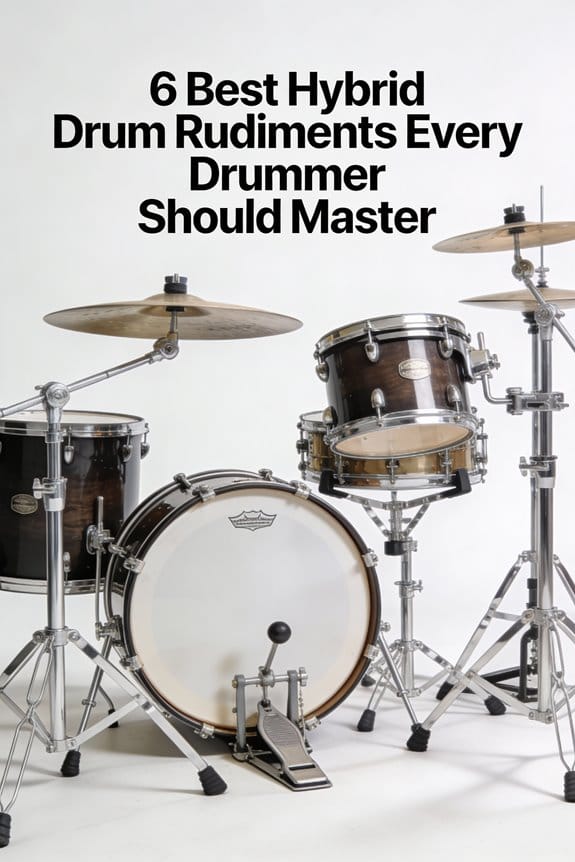
6 Best Hybrid Drum Rudiments Every Drummer Should Master

You’ll want to master six key hybrid drum rudiments that combine hands and feet for enhanced coordination and complex rhythmic textures essential in various musical styles. These include hybrid paradiddles, flam taps, swiss army rolls, and multi-limb patterns that build limb independence and smooth shifts on the drumset. Start with manageable patterns suited to your skill level, ensuring clear notation guides your practice, while gradually expanding complexity to boost creativity and control. Explore further to reveal detailed techniques and applications tailored for your drumming growth.
Key Takeaways
- Hybrid rudiments combine hand and foot techniques, enhancing limb independence and coordination for advanced rhythmic textures on the drumset.
- Drummers should master hybrid rudiments progressively, starting with simpler patterns before moving to complex polyrhythms for skill development.
- Clear notation and understanding of historical context help integrate hybrid rudiments effectively into various musical styles and performances.
- Hybrid rudiments expand creativity, allowing drummers to develop unique fills, grooves, and solos adaptable to multiple genres.
- Practicing a diverse set of hybrid rudiments prevents monotony and fosters continuous improvement across beginner, intermediate, and advanced levels.
| Learn and Apply 45 Standard Drum Rudiments | 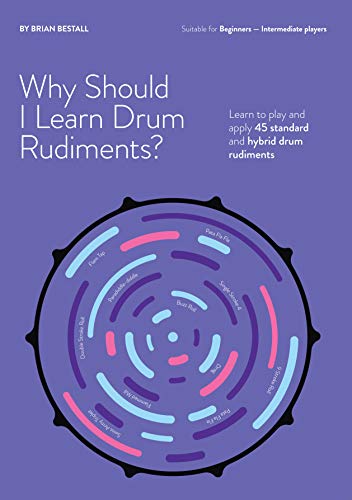 | Best for Beginners | Focus on Hybrid Rudiments: Covers 45 standard and hybrid rudiments with practical applications on drum kit | Skill Level Suitability: Beginner to intermediate drummers | Educational Format: 45 easy-to-follow lessons with exercises and sticking patterns | VIEW LATEST PRICE | Read Our Analysis |
| Master Studies | 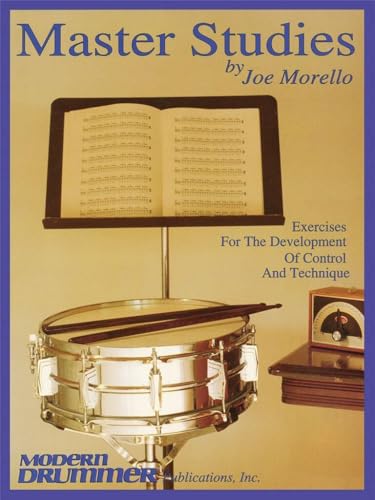 | Technique Development Focus | Focus on Hybrid Rudiments: Primarily technique development, no explicit hybrid rudiment focus | Skill Level Suitability: Intermediate to advanced (hand technique development) | Educational Format: Workbook format focusing on exercises and technique studies | VIEW LATEST PRICE | Read Our Analysis |
| 4-Way Coordination: Drum Set Method Book | 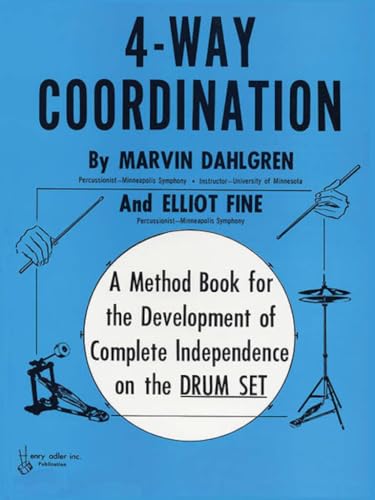 | Coordination Mastery | Focus on Hybrid Rudiments: Emphasis on coordination, indirectly supports hybrid rudiment mastery | Skill Level Suitability: Varies from beginner to advanced coordination skills | Educational Format: Method book with rhythmic exercises and notation | VIEW LATEST PRICE | Read Our Analysis |
| Encyclopedia Rudimentia: The Ultimate Drum Rudiment Collection | 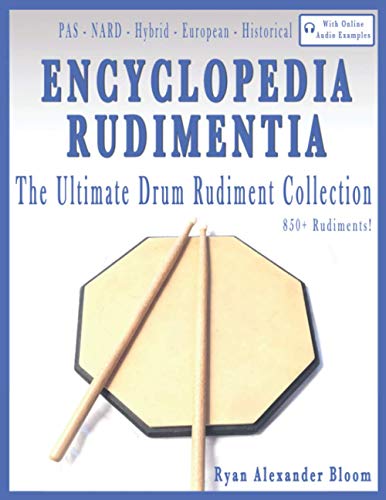 | Ultimate Rudiment Collection | Focus on Hybrid Rudiments: Includes nearly 550 DCI Hybrid Rudiments, largest hybrid collection | Skill Level Suitability: Suitable for intermediate to advanced drummers seeking extensive rudiment repertoire | Educational Format: Reference/encyclopedia style with rudiment listings and historical context | VIEW LATEST PRICE | Read Our Analysis |
| Progressive Steps to Syncopation for Drummers | 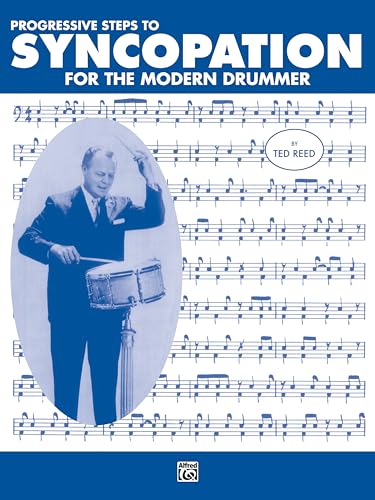 | Syncopation Essentials | Focus on Hybrid Rudiments: Focuses on syncopation, not specifically on hybrids | Skill Level Suitability: Beginner level, foundational syncopation skills | Educational Format: Exercise book focusing on syncopation patterns and solo examples | VIEW LATEST PRICE | Read Our Analysis |
| The Drum Rudiment Bible: 500 Rudiments Beginner to Advanced | 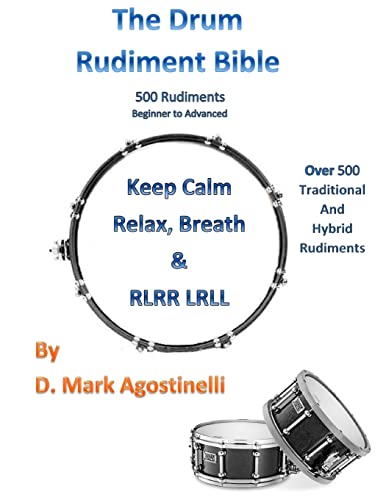 | Comprehensive Hybrid Collection | Focus on Hybrid Rudiments: Contains over 460 Hybrid Rudiments alongside traditional rudiments | Skill Level Suitability: Suitable for beginners through advanced players | Educational Format: Collection format with rudiments listed, intended for practice and learning | VIEW LATEST PRICE | Read Our Analysis |
You may be interested


More Details on Our Top Picks
Learn and Apply 45 Standard Drum Rudiments
Who benefits most from mastering the 45 standard drum rudiments featured in Best Hybrid Drum Rudiments? If you’re a beginner or intermediate drummer aiming to improve your technique and musicality, these rudiments serve as the backbone of your development. The lessons guide you through 100s of exercises that demonstrate how to apply each rudiment across the kit, ensuring you understand sticking patterns and build fluidity. Whether you’re preparing for exams up to grade 8 or just want to enhance your everyday playing, mastering these rudiments expands your ability to create complex fills and grooves, reinforcing control and versatility behind the drums.
- Focus on Hybrid Rudiments:Covers 45 standard and hybrid rudiments with practical applications on drum kit
- Skill Level Suitability:Beginner to intermediate drummers
- Educational Format:45 easy-to-follow lessons with exercises and sticking patterns
- Application to Drum Set:Exercises applicable to whole drum kit and fills
- Historical/Style Coverage:Focus on standard rudiments without extensive historical context
- Teaching Resource Use:Useful for teachers introducing drum rudiments
- Additional Feature:45 easy-to-follow lessons
- Additional Feature:Sticking patterns included
- Additional Feature:Prepares for grade 8 exams
Master Studies
For drummers aiming to refine their hand technique with precision and versatility, Joe Morello’s Master Studies stands out as an essential workbook rather than a conventional tutorial. This legendary method explores deeply into developing your control over single and double strokes, accents, and closed rolls, focusing on the subtle pressures each stroke requires. Organized into chapters covering everything from buzz rolls to flams and ostinatos, the workbook helps you build hand strength and finesse systematically. Whether you’re playing jazz, rock, or classical, Master Studies enhances your technique, proving invaluable for any drummer serious about mastering hybrid rudiments and beyond.
- Focus on Hybrid Rudiments:Primarily technique development, no explicit hybrid rudiment focus
- Skill Level Suitability:Intermediate to advanced (hand technique development)
- Educational Format:Workbook format focusing on exercises and technique studies
- Application to Drum Set:Exercises adaptable to drum set but primary focus on hand technique
- Historical/Style Coverage:No historical focus, centered on technique
- Teaching Resource Use:Used as a hand technique workbook for educators
- Additional Feature:Focus on hand development
- Additional Feature:Emphasizes stroke pressure control
- Additional Feature:Workbook format, not how-to
4-Way Coordination: Drum Set Method Book
Drummers seeking to master complete limb independence will find the “4-Way Coordination: Drum Set Method Book” an essential tool within the Best Hybrid Drum Rudiments collection. This method book focuses on developing your ability to coordinate hands and feet simultaneously, a skill crucial in modern drumming where polyrhythms and complex grooves dominate. By following its carefully structured exercises that progress from simple to advanced patterns, you’ll improve not only your technical precision but also your listening skills, enabling you to apply these techniques across various drumming styles. Suitable for all skill levels, it’s a powerful way to deepen your rhythmic understanding.
- Focus on Hybrid Rudiments:Emphasis on coordination, indirectly supports hybrid rudiment mastery
- Skill Level Suitability:Varies from beginner to advanced coordination skills
- Educational Format:Method book with rhythmic exercises and notation
- Application to Drum Set:Designed to improve hand and foot independence on drum set
- Historical/Style Coverage:No historical emphasis, modern coordination techniques
- Teaching Resource Use:Serves as instructional method for coordination
- Additional Feature:Develops full limb independence
- Additional Feature:Stepwise rhythmic complexity
- Additional Feature:Enhances listening skills
Encyclopedia Rudimentia: The Ultimate Drum Rudiment Collection
If you’re aiming to master a wide array of drumming techniques and want access to the most extensive collection of hybrid rudiments available today, Encyclopedia Rudimentia: The Ultimate Drum Rudiment Collection presents an unmatched resource. This 79-page independently published guide gathers over 850 rudimental patterns, including nearly 550 DCI Hybrid Rudiments, which is the largest compilation anywhere. You’ll explore traditional rudiments from Anglo-American, Swiss, and Scotch influences, plus unique German, Dutch, and French military styles. By studying these patterns and historical contexts, you’ll enhance your fills, grooves, and solos with rhythms that challenge and expand your drumming skills.
- Focus on Hybrid Rudiments:Includes nearly 550 DCI Hybrid Rudiments, largest hybrid collection
- Skill Level Suitability:Suitable for intermediate to advanced drummers seeking extensive rudiment repertoire
- Educational Format:Reference/encyclopedia style with rudiment listings and historical context
- Application to Drum Set:Provides rhythms suited for drum set fills, grooves, and solos
- Historical/Style Coverage:Extensive historical context across multiple drumming traditions and cultures
- Teaching Resource Use:Reference book for teachers to source diverse rudiments
- Additional Feature:Largest rudiment collection ever
- Additional Feature:Includes 19th & 20th century masters
- Additional Feature:Covers multiple international rudimental styles
Progressive Steps to Syncopation for Drummers
When you’re aiming to master syncopation, especially as a beginner, “Progressive Steps to Syncopation for the Modern Drummer” stands out as an invaluable resource that teachers and self-learners alike rely on for structured skill-building. Published by Ted Reed, this book emphasizes accented eighth notes, dotted eighths, sixteenth notes, and eighth-note triplets, providing a versatile foundation. It includes extended solos to challenge your reading and playing skills progressively. Whether you’re practicing independently or under guidance, this classic offers essential exercises that sharpen your ability to interpret syncopated rhythms, making it a cornerstone for developing hybrid drumming proficiency with precision and confidence.
- Focus on Hybrid Rudiments:Focuses on syncopation, not specifically on hybrids
- Skill Level Suitability:Beginner level, foundational syncopation skills
- Educational Format:Exercise book focusing on syncopation patterns and solo examples
- Application to Drum Set:Syncopation exercises useful for drum set playing
- Historical/Style Coverage:No historical context, focuses on syncopation technique
- Teaching Resource Use:Standard teaching tool for syncopation lessons
- Additional Feature:Teaches syncopation fundamentals
- Additional Feature:Includes extended solo examples
- Additional Feature:Voted top drum book (1993)
The Drum Rudiment Bible: 500 Rudiments Beginner to Advanced
For anyone looking to expand their drumming skills thoroughly, The Drum Rudiment Bible: 500 Rudiments Beginner to Advanced stands out as an essential resource, especially due to its extensive compilation that includes over 460 hybrid rudiments alongside the foundational 26 NARD and 14 PAS rudiments. This all-encompassing collection accommodates all skill levels, guiding you from basic patterns to complex hybrid combinations, which are ideal for overcoming skill plateaus. It not only sharpens your coordination but also enhances creativity across various percussion styles. By incorporating these rudiments into practice, you’ll diversify your technique and invigorate your progress effectively.
- Focus on Hybrid Rudiments:Contains over 460 Hybrid Rudiments alongside traditional rudiments
- Skill Level Suitability:Suitable for beginners through advanced players
- Educational Format:Collection format with rudiments listed, intended for practice and learning
- Application to Drum Set:Useful for drummers and percussionists, applied to kit and other percussion instruments
- Historical/Style Coverage:Mixes traditional and hybrid rudiments, limited historical detail
- Teaching Resource Use:Resource for instructors and students to expand rudiment skills
- Additional Feature:Contains original 26 NARD rudiments
- Additional Feature:Helps overcome practice plateau
- Additional Feature:Supports all percussionists
Factors to Consider When Choosing Hybrid Drum Rudiments

When choosing hybrid drum rudiments, you need to take into account your current skill level and how challenging the rudiments are, since selecting ones that either push your limits or fit your expertise will improve your technique effectively. It’s essential to find rudiments that match the musical styles you play, ensuring they complement your practice material and have clear notation for easy learning. Remember, the variety and clarity of available lessons can make a big difference in how quickly you master these complex patterns.
Skill Level Alignment
Although selecting hybrid drum rudiments can be exciting, you’ll want to carefully evaluate your current skill level to guarantee a smooth learning curve and meaningful progress. Beginners should focus on mastering traditional rudiments first, building a solid technical foundation before diving into hybrid patterns. If you’re at an intermediate stage, incorporating hybrid rudiments can greatly enhance your rhythmic vocabulary and creative expression, allowing you to experiment with more complex combinations. Advanced drummers, meanwhile, should target challenging hybrid patterns that push their coordination and dexterity boundaries to foster further growth. Assess your familiarity and comfort with basic rudiments honestly, as this will help you choose hybrid rudiments that suit your abilities, ensuring you don’t overwhelm yourself but steadily expand your skill set in a manageable, effective way.
Rudiment Complexity Range
Since hybrid drum rudiments combine traditional patterns with innovative rhythmic elements, they present a wide range of complexity that you’ll need to navigate thoughtfully. These rudiments can be as simple as adding subtle variations to familiar strokes or as intricate as layering complex polyrhythms. To choose effectively, you should assess your current technical skills and guarantee a solid grasp of foundational rudiments, which makes advanced hybrids easier to adapt. Incorporating appropriately challenging hybrid rudiments not only keeps your practice engaging but also pushes your abilities beyond plateaus. As you progress, consider how each rudiment’s difficulty aligns with your goals, focusing on those that introduce fresh rhythmic concepts without overwhelming your control, fostering consistent skill development and creativity in your drumming journey.
Musical Style Compatibility
Musical style compatibility plays an essential role when selecting hybrid drum rudiments, as these patterns must seamlessly fit within the unique rhythmic and dynamic framework of each genre you approach. Hybrid rudiments blend traditional techniques with modern flair, making them versatile across jazz, rock, and orchestral settings. When choosing which rudiments to master, consider how well they integrate with the core rhythms and stylistic elements of your preferred genres. Some styles demand subtlety and finesse, so patterns with pronounced dynamics might overpower the music. You’ll want rudiments that not only expand creativity but also complement your existing repertoire without sounding out of place. Assess how these hybrid patterns interact with tempo, syncopation, and articulation within your musical context to guarantee they enhance, rather than disrupt, the overall groove and feel.
Practice Material Quantity
When you’re choosing hybrid drum rudiments, the amount of practice material you have at your disposal can make a noticeable difference in your development, providing a foundation to build technical versatility and stylistic range. Opting for resources that feature hundreds of patterns—sometimes nearly 550 or even over 850—gives you a vast pool of techniques to explore, preventing practice routines from becoming stale. This extensive variety enables you to tackle new challenges tailored to different skill levels, from beginner-friendly exercises to advanced, intricate patterns. Such thorough collections not only broaden your stylistic horizons but also encourage consistent growth by integrating diverse rudiment combinations, helping you refine coordination and control. Ultimately, the more material you can draw from, the richer and more effective your practice sessions will be.
Notation Clarity Importance
Having access to a large quantity of practice material is only part of the equation; understanding how that material is presented on the page can make all the difference in your ability to learn and perform hybrid drum rudiments effectively. Clear, well-structured notation is vital because it visually separates the roles of your hands and feet, helping you master complex combinations accurately. When notation conveys dynamics, accents, and timing precisely, it reduces confusion and shortens your learning curve, allowing you to integrate hybrid rudiments smoothly into your playing. On the flip side, unclear notation can cause misinterpretation, leading to sloppy execution that stalls your progress. Prioritizing clarity in your practice material guarantees you build solid technique and confidence, which are essential for tackling advanced hybrid rudiments with success.
Historical Rudiment Context
Although hybrid drum rudiments represent a modern fusion of techniques, they owe much to the historical groundwork laid by early drumming traditions and pivotal figures such as Hazeltine and Sousa, whose 19th-century innovations established fundamental patterns and grips still relevant today. When choosing hybrid rudiments, you should consider how they evolved from diverse cultures like the Ancient Anglo-American Fife and Drum and the Swiss Basler Trommeln, each contributing unique rhythmic phrases and sticking variations. These influences enrich the versatility of hybrids, evident in the nearly 550 DCI-recognized rudiments that trace lineage back to traditional forms. By understanding this historical context, you not only appreciate the technical foundations but also gain insight into the philosophies that shaped these patterns, allowing you to select rudiments that enhance both your skill and interpretive depth.
Hands-Foot Coordination Focus
Building on the rich history and diverse influences that shaped hybrid drum rudiments, you’ll find that their true power lies in how they unify hand and foot movements to create intricate rhythmic textures. When focusing on hands-foot coordination, hybrid rudiments combine traditional patterns with modern techniques, demanding distinct rhythmic roles from both limbs. This coordination enhances your overall independence, allowing for complex grooves essential in genres like rock, jazz, and fusion. As you practice, these rudiments challenge your muscle memory and control, breaking through developmental plateaus. By integrating hands and feet in sync, you’ll develop smoother shifts between rhythms and techniques, making your drumming more versatile and expressive, while building the proficiency needed for advanced hybrid rudimental playing.
Application on Drumset
When selecting hybrid drum rudiments for your drumset practice, you need to evaluate how each pattern aligns with your current skill level, musical goals, and the specific textures you wish to create. Hybrid rudiments blend traditional techniques with inventive rhythms, expanding your rhythmic vocabulary and offering fresh fills and grooves. As you incorporate these patterns, consider how they enhance limb independence and coordination, since mastering this aspect is essential for executing complex rhythms cleanly on the drumset. Additionally, choose rudiments that inspire you to break free from repetitive beats, fostering creativity in soloing and groove development. Ultimately, integrating hybrid rudiments not only refines your technical ability but also boosts your versatility, allowing you to adapt seamlessly across various musical styles and elevate your overall musical expression.
Frequently Asked Questions
What Defines a Hybrid Drum Rudiment Compared to Traditional Rudiments?
A hybrid drum rudiment combines elements from two or more traditional rudiments into a single, more complex pattern, often involving both hands and feet or different sticking techniques. Unlike traditional rudiments that follow standard, repetitive patterns, hybrids demand creative coordination and versatility, challenging your endurance and timing. They expand your rhythmic vocabulary, allowing you to craft unique grooves and fills, making your drumming more dynamic and expressive across various musical genres.
How Do Hybrid Rudiments Enhance a Drummer’s Versatility?
Hybrid rudiments enhance your versatility by blending traditional patterns with complex sticking variations, allowing you to navigate diverse musical styles more fluently. They develop your coordination and independence between hands, enabling intricate fills and grooves that stand out. By mastering them, you expand your rhythmic vocabulary, adapting quickly from jazzy syncopations to powerful rock beats, which makes your playing more dynamic and expressive without sounding monotonous or predictable.
Can Hybrid Rudiments Be Used in Genres Outside of Drum Set Playing?
Yes, you can definitely use hybrid rudiments beyond drum set playing. While they originated to boost drum kit creativity, hybrid rudiments apply well to marching percussion, hand drumming, and even electronic pads. They combine sticking patterns and rhythmic complexity that enhance your control and musical phrasing across instruments. By mastering these, you’ll develop versatility that translates into jazz, marching band, orchestral percussion, and contemporary genres, pushing your rhythmic expression far beyond typical drum set limits.
What Exercises Help Improve Transitions Between Hybrid Rudiments?
You should practice exercises like paradiddle combinations and double-stroke rolls that emphasize fluid alteration between sticking patterns. Start slowly, focusing on clean accents and consistent timing, then gradually increase speed to build control and endurance. Incorporating metronome work guarantees stability, while shifting between open and closed hi-hat patterns or varying dynamics during changes strengthens versatility. Repetition with these drills helps you seamlessly connect hybrid rudiments, making your grooves tighter and more expressive across different musical settings.
Are There Recommended Practice Routines Specifically for Hybrid Rudiments?
Yes, you should follow structured practice routines tailored to hybrid rudiments, combining slow, controlled repetitions with increased speed gradually. Focus on exercises like paradiddle variations mixed with flam and drag patterns, practicing them in different sticking and dynamic levels. Incorporate metronome work to build timing precision and alternate between accent placements to develop control. Consistent, focused sessions emphasizing fluid shifts and endurance will guarantee you master these nuanced, rhythmically complex rudiments effectively.


