As an Amazon Associate, we earn from qualifying purchases. Some links on this site are affiliate links at no extra cost to you. Our recommendations are based on thorough research and editorial judgment.


10 Best Drum Notation Guides Every Drummer Should Own

You’ll want drum notation guides that cover everything from basic rhythm reading and note values to advanced fills and standardized symbols, ensuring you master drum patterns across styles like rock, funk, and jazz. Look for resources that combine clear lesson organization, audio examples, and practical exercises, fostering hand-foot coordination and creative expression. Whether you prefer print or digital formats, guides like “Stick Control” and “The Complete Idiot’s Guide” offer foundations and progression. Keep exploring, and you’ll uncover even more ways to enhance your drumming skills.
Key Takeaways
- Essential guides cover fundamental drum notation, rhythm reading, and note values for building a strong drumming foundation.
- Advanced resources focus on fills, hand-foot coordination, and mastery of various drum techniques across musical styles.
- Standardized notation guides clarify drumset parts representation and improve performance, teaching, and composition accuracy.
- Visual aids and interactive tools, like rudiment charts and video lessons, enhance practice and notation reading skills.
- Top guides include audio examples and play-along tracks to reinforce timing, rhythm, and creative expression.
| Rhythm and Notation for Drums Guide |  | Comprehensive Learning | Target Audience/Skill Level: Beginners to intermediate drummers focused on rhythm and notation | Content Focus: Rhythm reading, notation, drum techniques, composition | Format / Media: Book with audio examples | VIEW LATEST PRICE | Read Our Analysis |
| Learn How to Play Drums: Beginners Guide |  | Beginners Guide: Beginner Transformation | Target Audience/Skill Level: Absolute beginners looking for a complete introduction | Content Focus: Fundamental drumming, coordination, styles, band playing | Format / Media: Book format (text-based guide) | VIEW LATEST PRICE | Read Our Analysis |
| The Complete Idiot’s Guide to Playing Drums 2nd Edition | 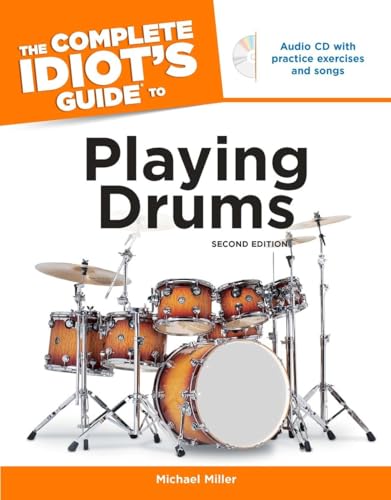 | Classic Resource | Target Audience/Skill Level: Aspiring drummers including beginners and amateurs | Content Focus: Drumming basics, history, tuning, notation, various styles | Format / Media: Printed book with audio CD | VIEW LATEST PRICE | Read Our Analysis |
| Drum Kit Basics: Notation and Exercises for Beginners | 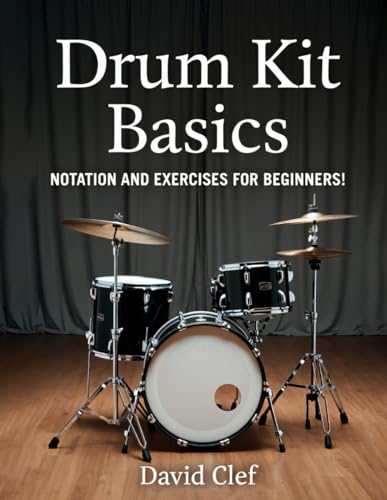 | Notation and Exercises for Beginners: Beginner Friendly | Target Audience/Skill Level: Beginner drummers and music students | Content Focus: Drum kit basics, notation, rudiments, rhythm exercises | Format / Media: Printed book (45 pages) | VIEW LATEST PRICE | Read Our Analysis |
| Drummer’s Guide to Fills: Master the Art of Drum Fills Book & Online Audio | 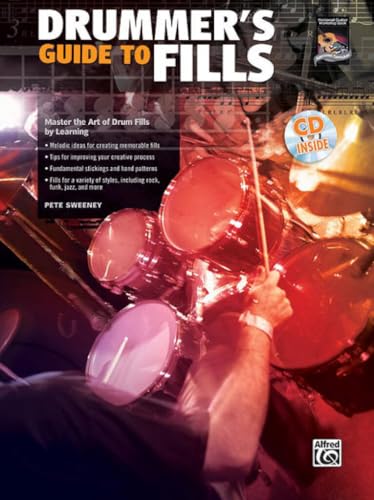 | Creative Expression | Target Audience/Skill Level: Drummers looking to expand and diversify fills, intermediate level | Content Focus: Drum fills, timing, musical styles, melodic embellishment | Format / Media: Book with online audio | VIEW LATEST PRICE | Read Our Analysis |
| How To Read Drum Music |  | Quick Start | Target Audience/Skill Level: New drummers and experienced musicians seeking notation skills | Content Focus: Reading drum music, notation, video demonstrations | Format / Media: Book with free online video lessons | VIEW LATEST PRICE | Read Our Analysis |
| Guide to Standardized Drumset Notation | 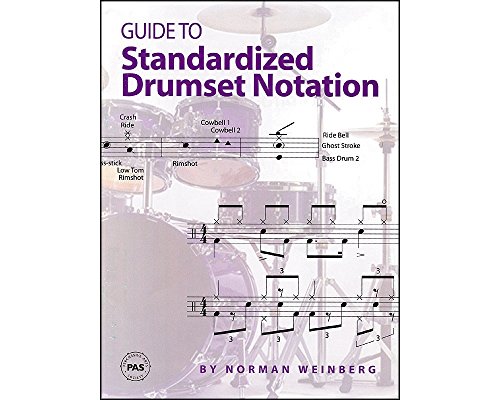 | Industry Standard | Target Audience/Skill Level: Performers, teachers, students, composers, and engravers (all levels) | Content Focus: Standardizing drumset notation and notation guidelines | Format / Media: Written guidelines / reference material (presumed digital/print) | VIEW LATEST PRICE | Read Our Analysis |
| Snare Drum Volume One: Modern Guide to Notation |  | Modern Fundamentals | Target Audience/Skill Level: Beginner snare drum students | Content Focus: Snare drum notation, musicianship, rhythmic variations | Format / Media: Book with QR-coded play-along videos | VIEW LATEST PRICE | Read Our Analysis |
| Stick Control: For the Snare Drummer |  | For the Snare Drummer: Drumming Bible | Target Audience/Skill Level: All drummers from novice to advanced | Content Focus: Stick control, technique, rhythmic exercises | Format / Media: Printed book (classic text) | VIEW LATEST PRICE | Read Our Analysis |
| KING PRINT Drum Rudiment Chart Canvas Wall Art | 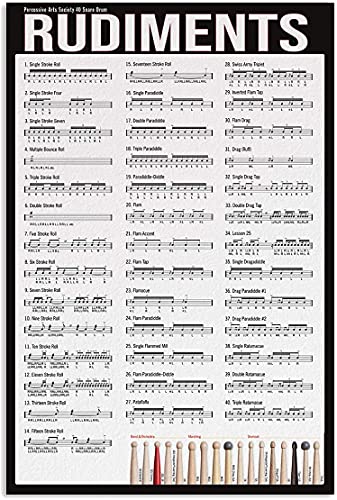 | Visual Reference | Target Audience/Skill Level: Drummers of all levels needing rudiment reference | Content Focus: Snare drum rudiments and notation reference | Format / Media: Printed canvas wall art poster | VIEW LATEST PRICE | Read Our Analysis |
You may be interested


More Details on Our Top Picks
Rhythm and Notation for Drums Guide
If you’re a beginner drummer aiming to confidently read and play drum music, the Rhythm and Notation for Drums Guide is tailored specifically for you, because it offers a thorough introduction to rhythm reading and drum notation that builds foundational skills from the ground up. This guide teaches you essential note values, time signatures, and rhythm divisions, enabling you to understand and perform complex patterns with accuracy. You’ll learn over 20 drum techniques through structured lessons and revision sections, supported by audio examples that bridge theory and practice. By mastering these fundamentals, you develop confident reading skills and build a strong foundation for lifelong drumming growth.
- Target Audience/Skill Level:Beginners to intermediate drummers focused on rhythm and notation
- Content Focus:Rhythm reading, notation, drum techniques, composition
- Format / Media:Book with audio examples
- Focus on Notation Teaching:Comprehensive drum notation and rhythm reading
- Supplemental Learning Tools:Audio examples
- Physical Characteristics / Size:No dimensions given; standard book size implied
- Additional Feature:Extensive drum technique analysis
- Additional Feature:Original drum music writing guide
- Additional Feature:Audio examples included
Learn How to Play Drums: Beginners Guide
Designed for aspiring drummers who seek a thorough introduction to percussion, the “Drum Notation Guides for Drummers” offers a meticulously structured roadmap that guides you through the foundational stages of drumming with clarity and depth. The *Learn How to Play Drums: Beginners Guide* walks you step-by-step, from choosing your first drum kit to mastering basic beats and rhythms essential for practice and performance. It emphasizes hand-foot coordination, fundamental techniques, and diverse drumming styles, providing both technical exercises and insights into band dynamics. This guide also highlights drumming’s benefits, such as stress relief and confidence building, inspiring you to start your rhythmic journey today.
- Target Audience/Skill Level:Absolute beginners looking for a complete introduction
- Content Focus:Fundamental drumming, coordination, styles, band playing
- Format / Media:Book format (text-based guide)
- Focus on Notation Teaching:Basic rhythm and beat mastery, less emphasis on notation theory
- Supplemental Learning Tools:No specific mention of audio/video, mostly text
- Physical Characteristics / Size:Book format, size not specified
- Additional Feature:Personal transformation story
- Additional Feature:Focus on stress relief
- Additional Feature:Community and performance connection
The Complete Idiot’s Guide to Playing Drums 2nd Edition
The Complete Idiot’s Guide to Playing Drums, 2nd Edition stands out as a thorough resource tailored for aspiring drummers who seek a well-rounded introduction to percussion, combining historical context, technical instruction, and practical exercises. Published by Alpha in 2004, this 320-page guide covers everything from drum history and tuning to basic music notation and time signatures, making it ideal if you want a solid foundation. Plus, it includes an audio CD with play-along tracks and tuning examples, which helps you apply concepts practically. With its clear explanations and structured lessons, it’s an essential addition for any beginner’s library.
- Target Audience/Skill Level:Aspiring drummers including beginners and amateurs
- Content Focus:Drumming basics, history, tuning, notation, various styles
- Format / Media:Printed book with audio CD
- Focus on Notation Teaching:Basic music notation and rhythm fundamentals
- Supplemental Learning Tools:Audio CD with exercises and play-along tracks
- Physical Characteristics / Size:320 pages; 8.56 x 0.64 x 10.88 inches; 1.55 lbs
- Additional Feature:Includes audio CD
- Additional Feature:Covers drum maintenance
- Additional Feature:Broad historical context
Drum Kit Basics: Notation and Exercises for Beginners
Every beginner drummer seeking a structured and thorough introduction to drum kit notation will find Drum Kit Basics: Notation and Exercises for Beginners particularly valuable, as it meticulously breaks down the essentials of drumming through clearly organized lessons and exercises. This 45-page independent guide, released in May 2026, introduces you to drum kit parts and their arrangement, ensuring you learn the foundations effectively. You’ll get to grips with note symbols, durations, and rests, along with basic rudiments and simple rhythms that emphasize both timing and enjoyment. Perfect for music students aiming to build solid theory and practical skills from the ground up.
- Target Audience/Skill Level:Beginner drummers and music students
- Content Focus:Drum kit basics, notation, rudiments, rhythm exercises
- Format / Media:Printed book (45 pages)
- Focus on Notation Teaching:Reading and writing drum notation for beginners
- Supplemental Learning Tools:Exercises and practice material included
- Physical Characteristics / Size:45 pages; 8.5 x 0.11 x 11 inches; 6.1 ounces
- Additional Feature:Emphasis on enjoyment
- Additional Feature:Short, focused length
- Additional Feature:Note duration exercises
Drummer’s Guide to Fills: Master the Art of Drum Fills Book & Online Audio
If you’re serious about expanding your drumming vocabulary and enhancing your creative expression behind the kit, Drummer’s Guide to Fills offers a thorough resource tailored to your needs. This book uses a step-by-step approach to teach fills of varying lengths, focusing not only on execution but also on their timing and placement within grooves. You’ll explore fills across styles like rock, funk, and jazz, which helps you adapt to different musical settings. The guide encourages a melodic approach to embellishments, offering fresh ideas beyond basic patterns, and includes online audio to demonstrate examples, making practice practical and effective.
- Target Audience/Skill Level:Drummers looking to expand and diversify fills, intermediate level
- Content Focus:Drum fills, timing, musical styles, melodic embellishment
- Format / Media:Book with online audio
- Focus on Notation Teaching:Notation related to fills and musical phrasing
- Supplemental Learning Tools:Online audio examples
- Physical Characteristics / Size:No physical details given; book + online content
- Additional Feature:Melodic approach to fills
- Additional Feature:Online audio demonstrations
- Additional Feature:Multi-style fill coverage
How To Read Drum Music
Whether you’re just picking up drumsticks or have years behind the kit but want to decode drum notation more effectively, this guide caters to your needs by offering straightforward yet thorough instruction. You’ll learn quick, easy methods to read drum music, with simple explanations paired with clear examples, ensuring every concept is crystal clear. Written by Jimmy and Stu, this resource breaks down complex ideas, and offers free video lessons online to supplement your practice. Dedicating just 30 minutes to an hour daily accelerates your proficiency, promising you’ll confidently interpret drum notation within weeks, no matter your skill level.
- Target Audience/Skill Level:New drummers and experienced musicians seeking notation skills
- Content Focus:Reading drum music, notation, video demonstrations
- Format / Media:Book with free online video lessons
- Focus on Notation Teaching:Easy-to-understand reading of drum music notation
- Supplemental Learning Tools:Free video tutorials online
- Physical Characteristics / Size:Not specified
- Additional Feature:Free video instruction
- Additional Feature:Quick learning method
- Additional Feature:Recommended daily practice
Guide to Standardized Drumset Notation
Musicians and educators looking for authoritative guidance on drumset notation will find this guide invaluable, as it’s tailored specifically for performers, teachers, students, composers, arrangers, orchestrators, and music engravers who face the challenge of representing drumset parts clearly. The Guide to Standardized Drumset Notation, developed by the Percussive Arts Society, offers thorough solutions to the absence of a universal system. It covers notation elements like noteheads, voicing, and improvisational symbols, ensuring clarity across diverse musical scenarios. By applying these principles, you’ll create drum parts that communicate precisely, making your scores more effective and easier to interpret.
- Target Audience/Skill Level:Performers, teachers, students, composers, and engravers (all levels)
- Content Focus:Standardizing drumset notation and notation guidelines
- Format / Media:Written guidelines / reference material (presumed digital/print)
- Focus on Notation Teaching:Standardized, clear drumset notation for clarity
- Supplemental Learning Tools:Guidelines document without specified audio/video
- Physical Characteristics / Size:Not specified (likely digital/print guide)
- Additional Feature:Addresses notation challenges
- Additional Feature:Covers improvisational notation
- Additional Feature:Percussive Arts Society endorsed
Snare Drum Volume One: Modern Guide to Notation
Drum Notation Guides for Drummers serves as an ideal resource for beginners who want a clear, structured approach to mastering snare drum notation without feeling overwhelmed by early technical complexities. Snare Drum Volume One: Modern Guide to Notation breaks down fundamental elements like whole, half, quarter notes, and dotted rhythms, gradually incorporating more advanced concepts such as sixteenth notes, accents, and various time signatures beyond 4/4. You’ll find lessons on controlling the non-playing stick and rhythmic triplets, plus introductions to double strokes. Interactive tools and play-along videos enhance your learning, while progress checkpoints help you track development efficiently. This guide balances technique and musicianship seamlessly.
- Target Audience/Skill Level:Beginner snare drum students
- Content Focus:Snare drum notation, musicianship, rhythmic variations
- Format / Media:Book with QR-coded play-along videos
- Focus on Notation Teaching:Detailed snare drum notation and rhythmic variations
- Supplemental Learning Tools:QR-coded play-along videos within chapters
- Physical Characteristics / Size:Not specified (book with videos)
- Additional Feature:QR-coded play-along videos
- Additional Feature:Progress checkpoints included
- Additional Feature:Focus on metronome skills
Stick Control: For the Snare Drummer
Any percussionist looking to develop precise snare drum technique will find “Stick Control: For the Snare Drummer” a critical resource tailored perfectly to their needs. Authored by George Lawrence Stone, this timeless classic is often hailed as the bible of drumming, consistently ranked as the top drumming book by Modern Drummer magazine. The book systematically guides you through hundreds of rhythms, including triplets, flam beats, and roll progressions, designed to build your control, speed, touch, and muscular coordination. With a special focus on strengthening your weak hand, it’s an indispensable tool for drummers across all skill levels aiming for refined precision and endurance.
- Target Audience/Skill Level:All drummers from novice to advanced
- Content Focus:Stick control, technique, rhythmic exercises
- Format / Media:Printed book (classic text)
- Focus on Notation Teaching:Rhythm exercises focusing on control, indirectly notation
- Supplemental Learning Tools:None specified beyond written exercises
- Physical Characteristics / Size:Not specified (classic printed book)
- Additional Feature:Develops weak hand
- Additional Feature:Over 100 rhythm exercises
- Additional Feature:Endorsed classic method
KING PRINT Drum Rudiment Chart Canvas Wall Art
For those seeking an extensive and visually accessible reference to bolster their drumming skills, the KING PRINT Drum Rudiment Chart Canvas Wall Art offers an indispensable solution. This 16×24-inch canvas displays all 40 snare drum rudiments with clear, easy-to-read notation, making it perfect for practice rooms or studios. You’ll appreciate its durable, premium paper that holds up to frequent use, ensuring it remains a staple in your drumming space. Whether you’re just starting out or refining advanced techniques, this chart serves as a practical, thorough guide to master essential rudiments and develop greater control behind the kit.
- Target Audience/Skill Level:Drummers of all levels needing rudiment reference
- Content Focus:Snare drum rudiments and notation reference
- Format / Media:Printed canvas wall art poster
- Focus on Notation Teaching:Visual notation of rudiments for reference
- Supplemental Learning Tools:None (poster format)
- Physical Characteristics / Size:16 x 24 inches; canvas wall art poster
- Additional Feature:Visual wall art format
- Additional Feature:Printed on durable paper
- Additional Feature:Displays all 40 rudiments
Factors to Consider When Choosing a Drum Notation Guide

When choosing a drum notation guide, you’ll want to assess how well it matches your learning style, whether it offers enough depth and variety to cover key rhythms, and if it supports practical application through exercises or examples. It’s also important to find a guide suited to your skill level, since something too basic or advanced can slow your progress. Finally, think about the format—whether you prefer digital access for convenience or physical copies that you can mark up—so the guide fits your everyday practice habits.
Learning Style Compatibility
Although drum notation guides share the common goal of teaching you how to read and interpret rhythms, their effectiveness largely depends on how well they match your preferred learning style. If you’re a visual learner, guides rich in clear illustrations and notation examples will make complex rhythms easier to grasp. Auditory learners often benefit from guides offering accompanying audio resources, reinforcing rhythm patterns through listening. Those who prefer structured, sequential instruction should choose guides breaking down concepts step-by-step, making complicated material manageable. Kinesthetic learners find value in guides with practical exercises that promote active engagement and muscle memory. Additionally, check for supplementary materials like online videos, audio tracks, or interactive content that support diverse learning modes. Selecting a guide aligned with your style and goals, such as mastering basics or composing, will maximize your progress and enjoyment.
Content Depth and Coverage
Choosing a drum notation guide that matches your learning style sets a strong foundation, but focusing on content depth and coverage guarantees that your study will be thorough and effective. You want a guide that covers the basics—music notation, rhythm patterns, time signatures, and specific markings for drums and cymbals—while advancing progressively to complex rhythms and techniques. This approach guarantees you build a solid understanding over time. Additionally, look for extensive exercises that emphasize timing, rhythm divisions, and notation reading, which reinforce essential drumming skills. While staying clear of practical application details, remember that guides offering creative opportunities, like composing original drum parts or exploring improvisation, provide valuable depth, allowing you to not only read but also engage with drum music meaningfully.
Practical Application Support
Because mastering drum notation involves more than just reading sheet music, practical application support plays a critical role in selecting an effective drum notation guide. You want a guide that includes audio examples, enabling you to hear how rhythms unfold in real musical contexts, which bridges theory and actual playing. Access to online play-along tracks is essential; these allow you to develop precise timing and adapt your style across various grooves. Look for guides offering interactive tools, like QR codes linking to instructional videos, which make learning engaging and let you track your progress. Furthermore, practical exercises should encompass diverse note values and rhythmic patterns to build your foundational skills confidently. Finally, a variety of musical styles in exercises broadens your versatility, preparing you to tackle different performance situations with creativity and ease.
Skill Level Appropriateness
When selecting a drum notation guide, you’ll want to guarantee it aligns closely with your current skill level, since the complexity of rhythms, techniques, and concepts varies widely between beginner, intermediate, and advanced materials. If you’re just starting out, choose a guide that builds from fundamental rhythms and notation, which helps you grasp essential drumming principles without feeling overwhelmed. As you advance to intermediate skill, guides introduce more challenging time signatures and techniques, perfect for expanding your rhythm vocabulary and coordination. Advanced players benefit from notation guides that explore intricate rhythmic patterns and compositional approaches, aiding in professional development or teaching. Also, look for guides offering practical exercises and audio examples tailored to your level; these elements make mastering notation and rhythm far more accessible and effective.
Format and Accessibility
Three essential factors shape the format and accessibility of drum notation guides, directly impacting how effectively you can engage with the material. First, consider whether you prefer physical books, digital ebooks, or online platforms, as each offers different levels of convenience and portability depending on your lifestyle. Second, ascertain the guide presents clear, well-organized musical notation paired with examples that visually reinforce concepts, which makes learning more intuitive and practice sessions smoother. Third, evaluate the structure: it should align with your learning approach, whether through detailed, step-by-step lessons if you’re a beginner or denser content for advanced skill refinement. Additionally, user-friendly navigation, including logical chapters and revision sections, greatly enhances retention, allowing you to efficiently track progress and revisit challenging topics without frustration.
Supplementary Resources Included
Having chosen a drum notation guide with a format and structure that suits your learning preferences, it’s important to examine what supplementary resources are included to reinforce your comprehension and skill development. Many guides offer audio examples or online video instruction, which help you hear and see concepts in action, making retention easier. Interactive tools, like QR codes linking to play-along videos, enable you to apply techniques practically, bridging theory with real drumming situations. Practice exercises and recorded tracks further develop your timing and rhythm, essential for solid performance. Some guides also provide access to websites or apps, offering downloadable materials and community forums, supporting ongoing learning and collaboration. These supplementary resources guarantee you don’t just read notation—you experience it, deepening your overall drumming proficiency.
Frequently Asked Questions
How Can I Customize Drum Notation for My Unique Playing Style?
You can absolutely customize drum notation for your unique style by modifying standard symbols to match your techniques, such as using different noteheads or accents to indicate ghost notes, flam variations, or dynamic changes. Don’t worry about strict rules; clarity is key, so create a legend for your custom symbols to guarantee others understand your sheet. Experiment with spacing and stems to reflect rhythm feel, making your notation both precise and personalized.
Are There Digital Apps That Complement Traditional Drum Notation Books?
Yes, several digital apps complement traditional drum notation books by offering interactive features like tempo control, looping, and visual playbacks, helping you grasp complex rhythms better. Apps such as DrumScore or MuseScore let you edit and customize notation to fit your style, while others like Melodics provide real-time feedback as you practice. Integrating these tools with your books enhances learning, making notation more dynamic and accessible for varied practice sessions.
What Are the Historical Origins of Standard Drum Notation?
You might be amazed to know that standard drum notation traces back to the 18th century when military drummers needed a universal way to communicate complex rhythms swiftly. Over time, this evolved from rudimentary symbols into a precise system using staff lines, note heads, and specific rhythmic patterns, allowing you to read hi-hats, snare hits, and bass drums clearly. This structure lets you interpret and perform intricate beats accurately, bridging tradition with modern drumming styles.
How Do Professional Drummers Annotate Improvised Solos?
You annotate improvised drum solos by combining standard notation with graphic symbols and textual cues, capturing rhythms, dynamics, and unique accents. Since solos vary widely, pros often use shorthand for repeated patterns and highlight key motifs. They might include timing indications, stickings, or even cues for texture changes. This personalized system keeps your notes clear, ensuring you can revisit or share the solo’s essence without restricting creative flow. It’s a flexible balance between detail and spontaneity.
Can Drum Notation Guides Help With Electronic Drum Kits?
Absolutely, drum notation guides can greatly enhance your experience with electronic drum kits. They help you translate complex rhythms into clear, visual forms, including MIDI triggers and pad assignments unique to e-kits. While traditional notation covers acoustic drums, specialized guides incorporate electronic elements like velocity sensitivity and sample layering, ensuring your performances stay tight and expressive. Using these guides, you can effectively program beats and communicate ideas with producers or bandmates across genres, bridging analog and digital worlds seamlessly.


