As an Amazon Associate, we earn from qualifying purchases. Some links on this site are affiliate links at no extra cost to you. Our recommendations are based on thorough research and editorial judgment.


When to Choose Electronic Drums Over Acoustic Sets

When choosing between electronic and acoustic drums, several factors come into play. Electronic drums are ideal when volume control is essential, such as in apartments or during late-night practice. They also offer diverse sound options and built-in recording capabilities, making them versatile for various music styles. In contrast, acoustic drums provide authentic sound quality, critical for live performances. Players focused on capturing traditional aesthetics may prefer acoustic sets. Exploring these features further can help identify the best fit for individual needs.
Key Takeaways
- Choose electronic drums when practicing in small spaces where noise control is essential for surrounding environments.
- Opt for electronic sets if you need diverse sound options with various pre-loaded sound kits for different musical styles.
- Electronic drums are ideal for beginners, offering affordable options and adjustable volume levels for quiet practice.
- Select electronic kits for easy setup, storage, and built-in recording capabilities that streamline the production process.
- Consider electronic drums when wanting to incorporate technology-enhanced features like MIDI/USB outputs for modern music production.
Understanding the Sound of Drums
You may be interested


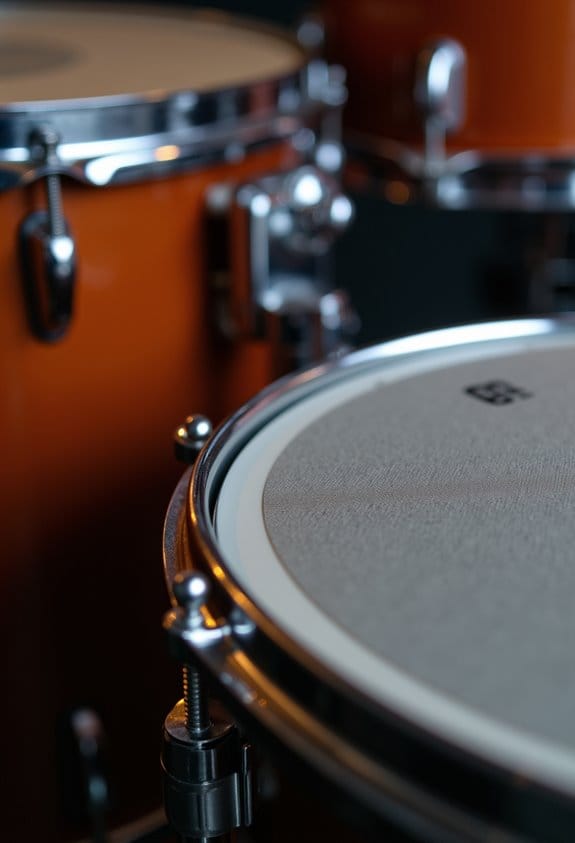
The fascinating world of drum sounds encompasses a range of unique characteristics, making both acoustic and electronic options distinct in audio production. Acoustic drums produce sound through the physical impact of sticks on drumheads, creating a raw and resonant quality that varies based on shell materials and drumhead types. Each strike allows for dynamic expression and volume control, essential for musical performance. In contrast, electronic drums utilize trigger sensors that connect to a drum module to generate sound, offering pre-loaded kits that can be varied but may lack the deep resonance of acoustic counterparts. While acoustic drums provide tactile feedback similar to a conversation, electronic drums require adaptation to their digital layout, representing a fundamental difference in how musicians experience sound. Additionally, many electronic drum kits feature dual-layer mesh pads that offer a more realistic rebound, enhancing playability and expression.
Advantages of Electronic Drum Sets
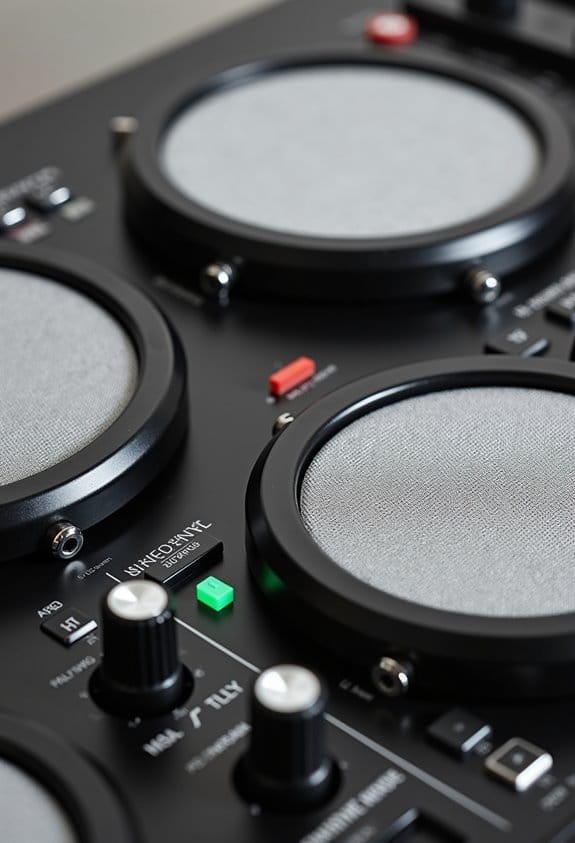
While exploring the world of drumming, one may quickly realize that electronic drum sets present a range of compelling advantages that cater to today’s musicians. First, these electronic drum kits offer adjustable volume levels, enabling silent practice with headphones—ideal for those in noise-sensitive environments. Additionally, they come with various pre-loaded sound kits and customizable options, providing virtually limitless sound possibilities that appeal to diverse musical styles. Their compact design makes them easier to set up and store, particularly in smaller living spaces. Furthermore, the inclusion of built-in recording capabilities and MIDI/USB outputs streamlines the production process, beneficial for recording artists. Finally, many electronic drum kits are more affordable than high-quality acoustic drum sets, ensuring budget-friendly options without sacrificing essential features. Many models also feature built-in learning tools such as metronomes and drum coaches that aid in skill development and timing.
Benefits of Acoustic Drums
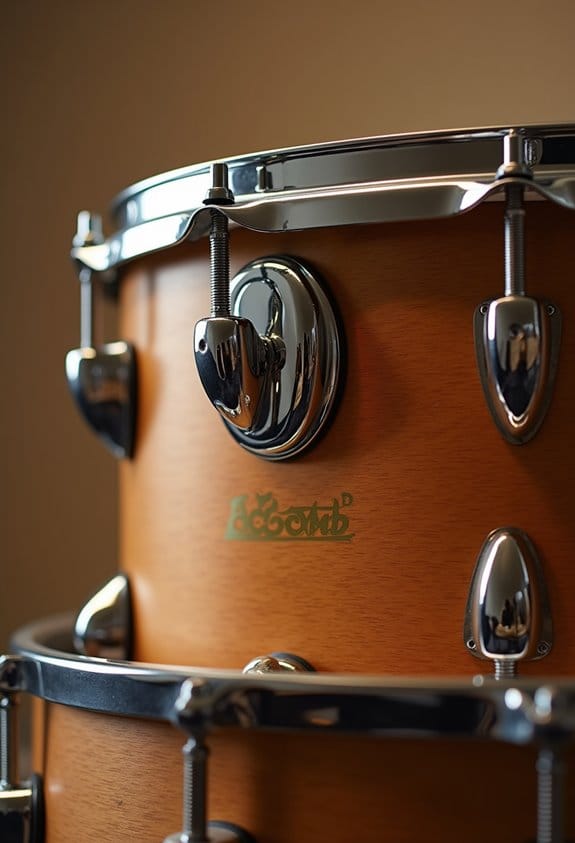
Acoustic drums bring a rich, authentic sound to the world of music that many drummers seek for their performances and recordings. The acoustic drum kit is celebrated for its unfiltered resonance, producing a sound quality that enhances live performances and studio recordings alike. Additionally, the dynamic range of acoustic kits allows drummers to explore a full spectrum of volume control, essential for developing various drumming techniques. The tuning and maintenance of these drums directly influence their overall sound, encouraging musicians to refine their skills. Furthermore, the robust and resonant shells not only contribute to durability, but they also offer visual appeal. Finally, the tactile feedback while playing enhances a drummer’s connection to the instrument, delivering an enriching performance experience. Choosing the right coated drum heads can significantly enhance the tone and durability of acoustic drums.
The Role of Hybrid Kits
Hybrid drum kits represent an innovative solution that merges the best aspects of both acoustic and electronic percussion. These versatile setups combine the authentic sound of acoustic drums with electronic elements, allowing drummers to enjoy a unique sound experience. Many hybrid kits feature quiet mesh drumheads and trigger systems, making them ideal for practice sessions while still preserving the feel of traditional drums. Additionally, they often include sampling percussion pads, which enhance creativity by enabling players to trigger a variety of sounds suitable for multiple genres. This blend of technology and craftsmanship allows both beginners and experienced drummers to explore and experiment with different musical styles, encouraging a deeper connection to their creativity and musical expression. The inclusion of multi-zone triggers in many hybrid kits further expands the potential for dynamic sound layering and expressive performance.
Connecting With the Drumming Community
How can drummers create a sense of belonging and growth within their community? The drumming community is not only vibrant but also incredibly supportive, welcoming players of both acoustic sets and electronic kits. Engaging in online forums and social media groups allows drummers to share tips and advice regardless of their skill level, fostering mutual growth. Local music shops, often managed by knowledgeable Sales Engineers, host events and workshops that bring drummers together for hands-on experiences with diverse drum kits. Additionally, networking opens doors to jam sessions where participants can enhance their skills while learning various drumming styles. These connections deepen the communal bond, enriching each drummer’s journey through collaboration and shared passion for rhythm. Regular maintenance and proper adjustment of drums, including using quality tension rods and washers, also play a crucial role in achieving the best sound and performance, which communities often share knowledge about.
Frequently Asked Questions
What Is the 80/20 Rule in Drumming?
Drumming dynamics dictate that the 80/20 rule emphasizes essential techniques. By focusing on foundational rhythm patterns and tailored practice routines, drummers can effectively enhance their sound design across diverse music genres, achieving significant progress swiftly.
What Is the Disadvantage of Electronic Drums?
The disadvantages of electronic drums include sound quality limitations, playability issues due to rubber pads, cost considerations for higher-end models, and limited expression that affects user experience compared to traditional acoustic drum sets.
Why Don’t Drummers Use Electronic Drums?
Drummers often forgo electronic kits, akin to choosing a timeworn tree over synthetic plastic. Their drumming preferences lean towards sound authenticity, while prioritizing practice convenience, studio versatility, and genre suitability found in acoustic sets.
Do Professional Drummers Use Electronic Drums?
Professional drummers frequently utilize electronic drums for their advanced drum technology, offering studio versatility and sound customization. They value performance convenience and practice efficiency, making these kits essential for various genres and touring logistics.


