As an Amazon Associate, we earn from qualifying purchases. Some links on this site are affiliate links at no extra cost to you. Our recommendations are based on thorough research and editorial judgment.


5 Best Drum Recording Setups to Elevate Your Sound Game

To elevate your sound game, consider the Donner DED-80 Electronic Drum Set, which features responsive mesh pads that mimic real drums. Pair it with the versatile PreSonus AudioBox USB 96 for hassle-free recording. If you’re looking for microphones, check out the W IN-MIX 7 Piece Wired Drum Mic Kit or the 5 CORE Drum Microphone Kit, both designed for superior sound capture. Each setup has unique benefits that can enhance your drum recordings. Keep on exploring for more insights!
Key Takeaways
- Invest in high-quality microphones, like the W IN-MIX or 5 CORE kits, for improved clarity and depth in drum recordings.
- Consider the Donner DED-80 Electronic Drum Set for versatile sound options and quiet practice in small spaces.
- Use the PreSonus AudioBox for seamless connections and professional sound capture with included software for enhanced recording.
- Implement acoustic treatment with sound-absorbing materials and carpets to minimize echoes and improve overall sound quality.
- Ensure equipment compatibility with popular DAWs and look for setups that include necessary software to streamline the recording process.
| Donner DED-80 Electronic Drum Set with Mesh Pads |  | Best for Beginners | Type: Electronic Drum Set | Microphones Included: 4 Mesh Pads (not traditional mics) | Connectivity: USB MIDI interface | VIEW LATEST PRICE | Read Our Analysis |
| PreSonus AudioBox USB 96 Recording Package |  | All-in-One Solution | Type: Audio Interface Recording Package | Microphones Included: 1 Microphone (M7) | Connectivity: USB connection | VIEW LATEST PRICE | Read Our Analysis |
| W IN-MIX 7 Piece Wired Drum Mic Kit |  | Professional Quality | Type: Wired Dynamic Drum Mic Kit | Microphones Included: 7 Microphones (kick, snare/tom, condenser) | Connectivity: XLR connectors | VIEW LATEST PRICE | Read Our Analysis |
| 5 CORE Drum Microphone Kit (7 Pieces) | 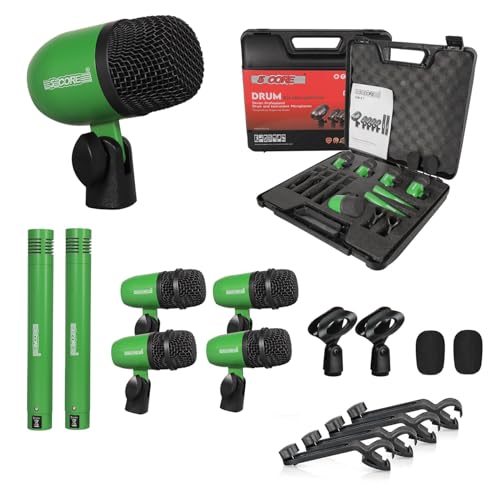 | Durable Performance | Type: Wired Drum Microphone Kit | Microphones Included: 7 Microphones (kick, snare/tom, condenser) | Connectivity: XLR connectors | VIEW LATEST PRICE | Read Our Analysis |
| Depusheng 5-Piece Wired Dynamic Drum Mic Kit | 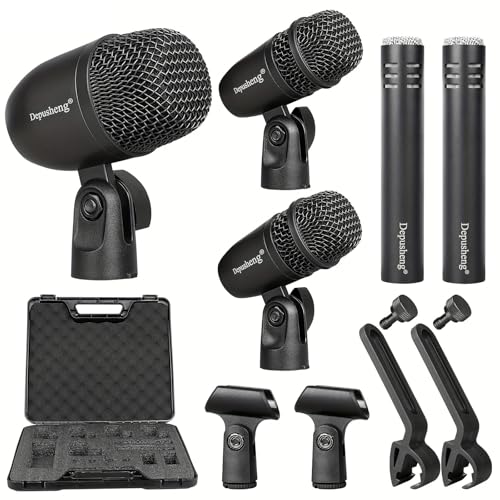 | Versatile Applications | Type: Wired Dynamic Drum Mic Kit | Microphones Included: 5 Microphones (big drum, small drum, condenser) | Connectivity: XLR connectors | VIEW LATEST PRICE | Read Our Analysis |
You may be interested


More Details on Our Top Picks
Donner DED-80 Electronic Drum Set with Mesh Pads
If you’re a beginner looking to immerse yourself in the world of drumming, the Donner DED-80 Electronic Drum Set with Mesh Pads is an excellent choice. This set features four quiet mesh pads that mimic the feel of real drums, enhancing your practice session. With over 180 sounds and 15 customizable drum kits, your creativity can truly flourish. The stabilizing frame makes it perfect for small spaces, plus it can fold for convenient storage. By connecting to your computer via USB MIDI, you can easily record your tracks. And don’t forget the 40 free lessons through the Donner Play APP to advance your skills!
- Type:Electronic Drum Set
- Microphones Included:4 Mesh Pads (not traditional mics)
- Connectivity:USB MIDI interface
- Educational Features:Melodics lessons & drum coach
- Build Quality:High-density mesh pads
- Ideal Usage:Compact design for small spaces
- Additional Feature:180+ sound options
- Additional Feature:Foldable for easy storage
- Additional Feature:USB MIDI interface
PreSonus AudioBox USB 96 Recording Package
The PreSonus AudioBox USB 96 Recording Package is an excellent choice for budding musicians and home studio enthusiasts who want a thorough solution for recording drums and other instruments. This package features a rugged audio/MIDI interface, making it easy to connect your gear. The included M7 large-diaphragm condenser microphone captures vocals and acoustic sounds beautifully, while the HD7 headphones allow for confidential mixing and monitoring. Plus, the package comes with powerful Studio One Artist software and other professional programs, valued over $1000. With USB connectivity and compatibility with various devices, it truly sets you up for success in your recording endeavors.
- Type:Audio Interface Recording Package
- Microphones Included:1 Microphone (M7)
- Connectivity:USB connection
- Educational Features:Not applicable
- Build Quality:Rugged audio interface
- Ideal Usage:Home recording and production
- Additional Feature:Studio Magic software bundle
- Additional Feature:Rugged audio interface design
- Additional Feature:Includes desktop mic stand
W IN-MIX 7 Piece Wired Drum Mic Kit
For drummers and sound engineers seeking a reliable solution for capturing dynamic performances, the W IN-MIX 7 Piece Wired Drum Mic Kit stands out as an excellent choice. This kit includes all you need with one kick bass mic, four snare/tom mics, and two condenser mics, ensuring you can record with clarity and power. The microphones are designed with a supercardioid pattern, which effectively reduces unwanted noise. Plus, setting them up is easy thanks to integral stand mounts and XLR connectors that fit most equipment. Whether you’re mic’ing drums, guitars, or other instruments, this kit offers versatile applications and durability for any scenario.
- Type:Wired Dynamic Drum Mic Kit
- Microphones Included:7 Microphones (kick, snare/tom, condenser)
- Connectivity:XLR connectors
- Educational Features:Not applicable
- Build Quality:Sturdy metal housing
- Ideal Usage:Studio and live performance
- Additional Feature:Integral stand mount included
- Additional Feature:Supercardioid pickup pattern
- Additional Feature:Engineered for sound reinforcement
5 CORE Drum Microphone Kit (7 Pieces)
Looking for an extensive solution to elevate your drumming experience? The 5 CORE Drum Microphone Kit is a fantastic choice, featuring seven essential pieces that cover everything from your bass drum to overheads. This professional collection includes one bass mic, four snare/tom mics, and two overhead condenser mics, all designed for high performance in both studio and live settings. With high sensitivity hyper cardioid microphones capturing frequencies up to 18kHz, you’ll enjoy crisp highs and tight lows, perfectly isolating your drum sounds. Plus, easy installation with standard XLR connectors means you can set up quickly and focus on your music.
- Type:Wired Drum Microphone Kit
- Microphones Included:7 Microphones (kick, snare/tom, condenser)
- Connectivity:XLR connectors
- Educational Features:Not applicable
- Build Quality:Sturdy metal bodies
- Ideal Usage:Live sound and recording
- Additional Feature:High sensitivity hyper cardioid
- Additional Feature:Quick setup with adapters
- Additional Feature:Reliable under demanding conditions
Depusheng 5-Piece Wired Dynamic Drum Mic Kit
Elevate your drum recording experience with the Depusheng 5-Piece Wired Dynamic Drum Mic Kit, an ideal choice for both budding musicians and seasoned professionals who demand quality and reliability. This kit includes five mics: one big drum mic, two small drum mics, and two condenser mics, tailored to capture everything from your kick bass to crisp cymbals. With a cardioid polar pattern, it isolates your main sounds while minimizing background noise. The robust metal housing and reinforced mesh head guarantee durability. User-friendly and versatile, it’s perfect for indoor and outdoor performances, making it a solid addition to your sound setup.
- Type:Wired Dynamic Drum Mic Kit
- Microphones Included:5 Microphones (big drum, small drum, condenser)
- Connectivity:XLR connectors
- Educational Features:Not applicable
- Build Quality:Robust metal housing
- Ideal Usage:Indoor and outdoor applications
- Additional Feature:Pneumatic shock mount stability
- Additional Feature:Adjustable mic positions
- Additional Feature:Wave-like frequency response
Factors to Consider When Choosing a Drum Recording Setup

When you’re choosing a drum recording setup, several key factors come into play that can make a real difference in your sound. You’ll want to take into account the quality of microphones, the variety of mic kits available, and how your setup will connect to your recording equipment. Additionally, think about your sound isolation needs and whether you’ve got the right acoustic treatment, as these can greatly impact the final mix.
Microphone Quality Importance
Choosing high-quality microphones is essential for any effective drum recording setup, as the right gear can profoundly influence the clarity and distinctiveness of each drum sound. Dynamic microphones are your go-to for close miking, known for their durability and capacity to handle high sound pressure. They effectively capture the energy of your kit without distortion. On the other hand, condenser microphones excel at picking up detailed sounds and have a wider frequency range, making them ideal for overhead miking. Their polar patterns, like cardioid, help minimize background noise and bleed from other instruments. Plus, verify you have compatible connectivity options, like XLR connections, to guarantee quality sound transfer from your microphones to recording devices, setting you up for success.
Mic Kit Variety
While exploring the variety of mic kits for drum recording setups, it’s essential to contemplate how each type of microphone captures different aspects of the drum sound. A good mic kit typically features dynamic microphones for the kick and snare drums, and condenser mics for overheads, ensuring a full range of sound is captured. Using hyper cardioid microphones helps isolate each drum, reducing pesky background noise for crystal-clear recordings. Durable construction, like strong metal housing, is vital since these mics face high sound pressure levels during performances. Kits that include accessories such as mounts and carrying cases make setup a breeze whether you’re in the studio or performing live. Compatibility with standard XLR connectors further enhances versatility in your recording options.
Connectivity Options Available
Connectivity is a crucial aspect of any drum recording setup, as it determines how you connect your microphones, computers, and other devices. When selecting your setup, aim for interfaces with USB connectivity for hassle-free plug-and-play compatibility with your recording software and computer. It’s important to choose equipment that includes standard XLR connectors, ensuring it works well with various microphones and audio gear. If you plan to integrate electronic drums, pick a setup with MIDI capability for seamless performance and track recording. Don’t forget to check for headphone outputs, as they allow you to monitor your sound in real time without distracting others. Finally, explore additional options like MIDI ports or line outputs for enhanced audio routing versatility.
Sound Isolation Needs
Sound isolation is essential for achieving high-quality drum recordings, as it minimizes unwanted noise and enhances the clarity of each sound in the mix. To prevent bleed from other instruments, using dynamic microphones with supercardioid pickup patterns is vital; they focus on the drums while rejecting background noise. Additionally, placing microphones close to the drum heads can effectively reduce interference from surrounding sounds. Implementing acoustic treatment, like soundproofing panels and bass traps, helps enhance the recording environment further. Finally, using headphones for monitoring allows you, the drummer, to hear your performance clearly, without distractions from ambient noise. With these considerations, you can elevate your drum recordings and produce professional results that stand out.
Acoustic Treatment Consideration
When setting up a drum recording space, considering acoustic treatment is essential for achieving a clear and polished sound. You’ll want to reduce unwanted reverberations and reflections that can muddy your recordings. Start by placing bass traps in corners, as they absorb those pesky low frequencies that drum kits produce. Additionally, sound-absorbing panels on walls and ceilings will help minimize flutter echoes, which can interfere with microphone clarity. Don’t forget about the floor; a good carpet or rug can dampen reflections and enhance overall sound quality. Striking a balance between absorbent and reflective surfaces in your space will create an ideal environment, enabling your drums to truly shine in recordings.
Budget for Equipment
A well-planned budget for your drum recording setup can make all the difference in achieving high-quality sound. Good setups can range from a few hundred to several thousand dollars, so it’s essential to allocate funds wisely. Start by investing in key components, like microphones, an audio interface, and recording software, as these greatly influence your sound quality. You might also need stands, cables, or isolation tools, so factor in those accessory costs too. Remember, ongoing expenses can arise from software upgrades or sound libraries, plus there’s often a learning curve with new gear. Striking the right balance between quality and budget guarantees you get the most from your investment without overspending.
Ease of Setup
Choosing a drum recording setup that’s easy to work with can greatly enhance your overall experience, especially during recording sessions. When selecting your gear, look for drum mics with built-in stand adapters and mic clamps; these features help you quickly and securely mount your microphones. Standard XLR connectors guarantee your setup integrates seamlessly with various audio interfaces, simplifying your connections. Opt for kits that come with clear instructions or easy-to-follow setup guides, so you won’t waste time struggling to assemble everything. Additionally, consider the weight and portability of your equipment; lighter setups make transport and installation a breeze. Finally, compact designs help optimize limited spaces, allowing for simpler arrangements that boost your sound capture.
Software Compatibility Factors
While diving into the world of drum recording setups, you’ll find that software compatibility is essential for achieving high-quality results. First, verify your drum recording interface works with popular Digital Audio Workstations (DAWs) like Ableton Live, FL Studio, and Pro Tools. These programs are industry standards in music production. It’s also wise to take into account drum recording packages that come with software; this can provide cost savings and seamless integration. Don’t forget to check the operating system requirements for the recording software, as compatibility issues can derail your efforts. Additionally, look for software that offers virtual instruments or plugins, which can greatly enhance your drum sounds. Finally, regular updates and support options can improve functionality and help guarantee longevity in your setup.
Frequently Asked Questions
How Do I Set up My Drum Kit for Optimal Recording?
To set up your drum kit for ideal recording, start by placing it in a well-balanced room to minimize echoes. Position your microphones about 6-12 inches from the drums, focusing on the snare and kick for clarity. Use overhead mics to capture the cymbals, ensuring they’re angled correctly. Experiment with mic placement until you find the right sound. Remember, a good arrangement of your kit can enhance the overall recording quality greatly!
What Is the Best Room Setup for Recording Drums?
The best room setup for recording drums involves a space with high ceilings and plenty of sound absorption. You want to avoid hard surfaces that can create unwanted reflections. Placing your kit in the center of the room helps capture a balanced sound, while using carpets or rugs dampens echoes. If possible, add acoustic panels to reduce noise interference. Don’t forget to position your microphones close to the drums for a clearer audio capture.
How Can I Reduce Drum Bleed in Recordings?
To reduce drum bleed in your recordings, you can use isolation techniques like baffles or soundproofing panels around your drum kit. Position your mics carefully, aiming them directly at the drums while keeping them away from other instruments, which helps minimize unwanted noise. Additionally, consider using dynamic microphones, as they’re typically less sensitive than condenser mics. Finally, experimenting with playing dynamics can also lead to clearer recordings, ensuring a better sound overall.
What Software Is Best for Mixing Drum Tracks?
For mixing drum tracks, you can’t go wrong with software like Ableton Live. It’s packed with features that let you layer sounds, adjust levels, and apply effects effortlessly. FL Studio is another giant, known for its user-friendly interface and powerful drum kits. Logic Pro offers advanced routing options and built-in plugins. Each program has its strengths; your choice depends on your workflow. Immerse yourself, experiment, and elevate your mixes to new heights!
How Do I Achieve a Live Sound When Recording Drums?
To achieve a live sound when recording drums, you should use dynamic microphones for their ability to handle loud volumes. Position them close to the drum heads to capture that punchy sound. Experiment with overhead mics to capture the kit’s overall ambiance. You can also control your room’s acoustics by adding rugs and curtains, which help eliminate unwanted reflections. Finally, play with your recording levels, ensuring they reflect the energy of a live performance.


