As an Amazon Associate, we earn from qualifying purchases. Some links on this site are affiliate links at no extra cost to you. Our recommendations are based on thorough research and editorial judgment.


The Tactile Response of Acoustic Drums Explained

The tactile response of acoustic drums is essential for performance, blending mechanics, shell vibrations, and drumhead tension. These elements create a dynamic range that allows drummers to express subtle nuances and powerful accents. Each strike elicits feedback that influences touch and technique. Factors such as drumhead material, tuning, and the drummer’s skill all shape the sound produced. This intricate relationship fosters an emotional connection, driving creativity and expression. There’s much more to explore about these fascinating instruments.
Key Takeaways
- The tactile response of acoustic drums is primarily influenced by the drummer’s touch and technique, which directly affects sound production.
- Mastering striking techniques, such as varying touch and pressure, enhances the dynamic range and nuance in drumming.
- Sensitivity to the drum’s vibrations allows drummers to execute ghost notes and accents, enriching their playing experience.
- Regular maintenance and tuning of drumheads ensure consistent tactile feedback and optimal sound quality during performances.
- The shell material and construction quality contribute to the overall tactile experience, influencing warmth and expressiveness in sound.
Understanding the Physical Mechanics of Acoustic Drums
You may be interested


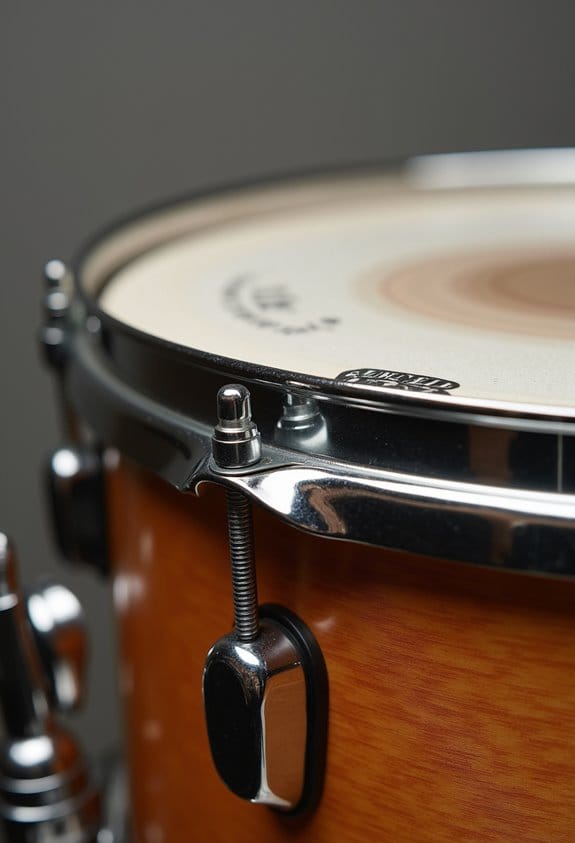
Acoustic drums, often considered the heartbeat of a musical ensemble, operate based on the dynamic interaction of sound waves created by vibrations. These instruments produce sound through the physical vibrations of their wooden shells, generating complex harmonic overtones that contribute to their unique tone character. The tactile experience offered by acoustic drums allows drummers to feel immediate feedback; this feedback is essential for adjusting their playing technique, as the resistance and vibrations of the drumhead guide the player. Acoustic drums possess a wide dynamic range, enabling varied volumes and intensities that depend on the drummer’s touch. Additionally, construction quality influences sound projection and tactile response, as shell thickness and material composition greatly affect overall performance, ensuring that every nuance is conveyed. Proper use of drum tuning wrenches significantly enhances this tactile response by allowing precise adjustment of drumhead tension.
The Importance of Drumheads and Tuning

In the domain of drumming, the selection and tuning of drumheads play an essential role in shaping the sound and performance of acoustic drums. Different materials, such as mylar and calfskin, influence tonal quality, with each type yielding unique sound characteristics. Tuning drumheads affects pitch and resonance, allowing drummers to fine-tune their instrument for various musical styles. Proper tuning creates balanced tension across the drumhead, which is critical for ideal sound projection and dynamic range. Regular maintenance is significant, as worn or damaged heads compromise tonal quality and make tuning more difficult. Additionally, the interplay between the drummer’s technique and the drumhead’s tension can articulate subtle nuances in playing, enhancing overall expressiveness. Technologies such as Level 360 Technology simplify tuning and maximize sound quality by improving contact between the drumhead and drum shell.
Dynamic Range and Expressiveness in Drumming
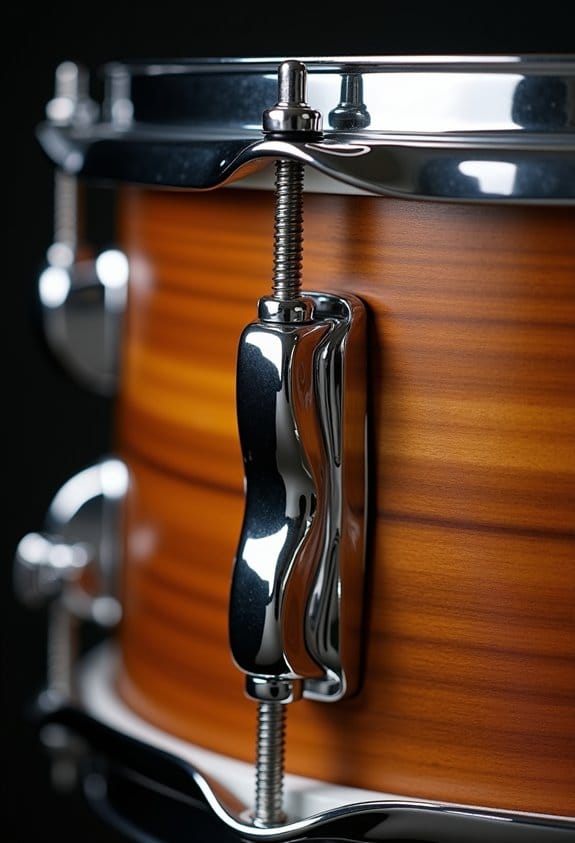
The dynamic range and expressiveness of drums are essential elements that distinguish them from many other musical instruments. Acoustic drums provide an unlimited dynamic range, which enables drummers to produce subtle ghost notes alongside powerful accents. This range allows for a wide spectrum of emotions to be conveyed through music. The physical vibrations from the drum shells create rich tonal variations that respond to various playing techniques and stick choices. Each stroke can yield different overtones depending on the striking location, enhancing dynamic expression. Furthermore, mastering these nuances requires significant skill and sensitivity, making acoustic drums ideal for diverse musical styles, from jazz to rock. Consequently, the interplay of dynamic range and expressiveness is vital for a drummer’s overall performance. The type of drum shell material greatly influences the tonal warmth and sensitivity, further shaping a drummer’s expressive capabilities.
The Role of Technique in Tactile Response
Mastering technique is crucial for drummers seeking to enhance their tactile response when playing acoustic drums. Effective striking techniques, such as altering stick angles and target locations on the drumhead, greatly influence tactile feedback and sound quality. A drummer’s ability to execute ghost notes or accents hinges on their understanding of touch and pressure, both essential for developing expressive drumming skills. By mastering techniques like rimshots and brushwork, musicians can maximize the interplay between their sticks and the drumheads, enhancing the overall dynamic range of their performance. In addition, exploring the resonance of acoustic drums enables players to deepen their connection with the instrument, allowing for more nuanced and impactful performances that resonate with listeners. Incorporating stick control exercises such as single strokes, double strokes, and flams into daily practice helps build the coordination and tactile sensitivity critical for mastering acoustic drum response.
Emotional Connection Between Drummer and Instrument
Emotional connection thrives in the unique interplay between a drummer and their acoustic instrument, creating a bond that transcends mere performance. The tactile response of acoustic drums enables musicians to feel vibrations, enhancing their emotional connection to each note played. This organic interaction fosters kinesthetic awareness, allowing drummers to respond to immediate feedback and adjust their playing style. Unique tonal variations emerge from acoustic drums with every strike, which not only resonate with the drummer but also with the audience, resulting in impactful musical storytelling. As feelings are expressed through dynamic rhythms and controlled overtones, the experience becomes a fulfilling emotional journey. Ultimately, this intimate relationship between drummer and instrument is essential for conveying heartfelt expression in performance. Additionally, incorporating a loop station pedal with multi-track looping can extend this connection by capturing and layering live drum patterns for richer, evolving soundscapes.
Advantages of Acoustic Drums in Performance Settings
Acoustic drums offer a distinctive performance advantage that stems from their inherent qualities and design, which foster a rich musical experience. Their broad dynamic range empowers drummers to explore subtle nuances in volume and intensity, fostering emotionally charged performances that captivate audiences. The tactile feedback provided by these drums encourages skillful striking, allowing drummers to refine their technique and timing through physical interaction. Additionally, acoustic drums exhibit versatility, adapting seamlessly to various musical styles, including rock, jazz, and other genres. This adaptability enhances the drummer’s emotional connection to the music, enabling profound expression during live performances. Ultimately, these characteristics guarantee that acoustic drums remain a preferred choice for engaging and dynamic performances across diverse musical settings. Selecting the appropriate drum head material and thickness can further optimize resonance and durability, enhancing the overall acoustic experience with Level 360 Technology and coated or clear film options.
Acoustic Drums vs. Electronic Drums: A Sensory Comparison
How do acoustic drums and electronic drums compare when it comes to sensory experiences for drummers? The response of acoustic drums offers immediate tactile feedback that enhances a drummer’s control and technique through physical vibrations, a sensation often lacking in electronic drums. While electronic options provide consistent sound output, they may not capture the organic nuances that acoustic drums deliver, contributing to a broader dynamic range. For musicians with limited experience, playing an acoustic can bring distinct advantages, such as the ability to influence sound through stick velocity and hitting locations. Consequently, drummers frequently report a more engaging and meaningful experience with acoustic drums, highlighting the increased rhythm and timing awareness derived from the physical impact of each hit. Additionally, the choice of bass drum diameter can significantly affect tactile response, with different sizes offering unique feedback and sound characteristics that influence a drummer’s performance.
Maintenance and Longevity of Acoustic Drum Kits
Maintaining an acoustic drum kit is vital for ensuring both its sound quality and longevity, as regular care can remarkably enhance the musical experience. Frequent maintenance activities, including regular tuning and renewal of drumheads, considerably improve sound quality and extend the lifespan of acoustic drum kits. Environmental factors, like humidity and temperature, can affect tuning stability; therefore, storing drums in controlled conditions is essential to prevent warping. Regular cleaning of hardware helps to avoid corrosion and keeps the drums aesthetically pleasing. Investing in high-quality materials, such as premium wood for shells, contributes to durability. Finally, routine inspections for any wear on components, like drum felts and tuning lugs, help catch potential issues early, maintaining ideal playing conditions. Choosing drum kits made of materials like poplar wood shells can offer a good balance of durability and tonal quality for various skill levels.
Frequently Asked Questions
What Is the 80/20 Rule in Drumming?
The 80/20 rule in drumming emphasizes that a small selection of drum technique tips and rhythmic patterns leads to the majority of improvement, guiding effective practice strategies for groove development and dynamic control through focused coordination exercises.
Is Drumming Good for ADHD?
Drumming provides significant benefits for individuals with ADHD, including focus improvement, rhythm therapy, enhanced motor skills, and sensory integration. It fosters emotional expression, creativity boost, and stress relief, promoting overall well-being and personal growth.
How to Practice Acoustic Drums Quietly?
To practice acoustic drums quietly, one can utilize silent practice techniques such as drum pads, practice mutes, and weighted practice with acoustic drumsticks. Soundproof setups within a home studio create effective quiet practice spaces.
How Do Drum Triggers Work?
Drum triggers function through piezoelectric mechanics, converting strikes into MIDI signals. Their placement is vital for sound sensitivity settings, enhancing performance versatility while integrating acoustic and electronic drumming dynamics for best control and responsiveness.


