As an Amazon Associate, we earn from qualifying purchases. Some links on this site are affiliate links at no extra cost to you. Our recommendations are based on thorough research and editorial judgment.

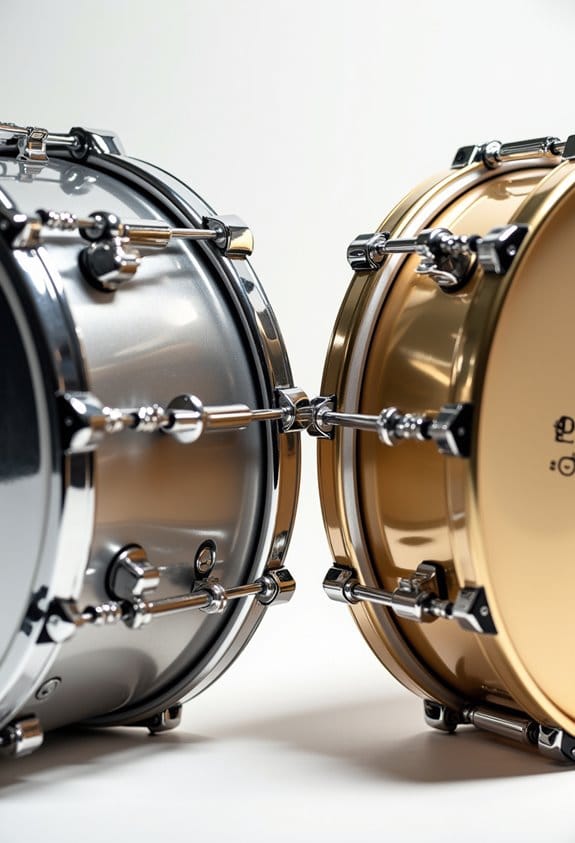
Steel Shell Vs Brass Shell Snare Drums: Sound Differences Explained

Steel shell and brass shell snare drums have distinct sound qualities and characteristics. Steel snares produce a bright, cutting tone with sharp articulation, making them ideal for rock and punk music. They sustain longer, while brass snares offer a warm, rich sound with a pronounced low-end, suitable for softer dynamics and jazz. Venue acoustics also play a role; steel snares excel in loud settings, whereas brass snares blend well in quieter environments. Exploring their features further reveals more about their unique applications.
Key Takeaways
- Steel snares produce a bright, cutting tone with a sharp “crack,” ideal for rock and punk styles.
- Brass snares offer a warmer, darker sound profile with rich tonal qualities and pronounced low-end frequencies.
- Steel snares deliver longer sustain, making them suitable for loud settings, while brass snares have shorter sustain but excel at softer dynamics.
- The projection of steel snares is excellent, cutting through dense mixes, whereas brass snares blend more in warm acoustic environments.
- Price differences exist, with steel snares generally being more affordable, while brass snares offer greater durability and potentially higher resale value.
Overview of Steel Shell Snares
You may be interested


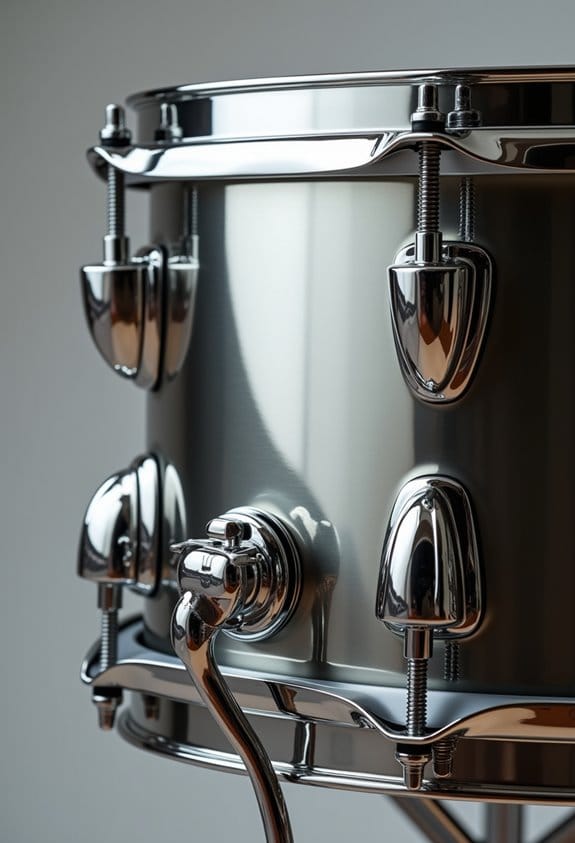
Steel shell snares are a favored choice among drummers for their distinctive sound characteristics and versatile applications. Known for their bright tone and excellent attack, these snares produce a penetrating sound that cuts through even the loudest mixes. The long sustain of a steel snare means that the sonic impact remains prominent, making them ideal for both live performances and studio recordings where clarity is essential. Commonly found in beginner and mid-range drum kits, steel snares are affordable and versatile, appealing to aspiring drummers. Notable models like the Pearl Modern Utility and Ludwig Supralite demonstrate the adaptability across various musical styles, showcasing how steel snares can handle everything from rock to jazz, thereby solidifying their place in many drummers’ setups. Their performance can be further enhanced by proper microphone placement and positioning, which is crucial for capturing the best sound quality during recordings or live performances.
Overview of Brass Shell Snares

Brass shell snares are celebrated for their loud, vibrant sound that resonates warmly and distinctly in various musical settings. Known for their rich tonal qualities, models like the Ludwig Black Beauty and Mapex Black Panther showcase the versatility of brass in different genres. The unique sound characteristics of brass provide an articulate response, ideal for capturing dynamic nuances, from soft ghost notes to powerful rim shots. This durability guarantees that brass snares maintain their tonal integrity over time, making them a favorite among professionals. Additionally, the impressive projection of brass snares allows them to shine in both intimate venues and larger stages, guaranteeing that musicians seeking a robust and enchanting sound profile will find brass snares an invaluable addition to their kits. Proper maintenance and storage can help preserve the shell’s sound quality and longevity over time.
Tonal Characteristics of Steel Snares

Offering a distinct contrast to the warm resonance of brass shells, the tonal characteristics of steel snares deliver a bright and cutting sound that is highly valued across various musical genres. Steel snares are known for their sharp “crack” sound, which enhances articulation and allows for clear expression in styles like punk and rock. This bright tone, combined with great projection, makes them ideal for cutting through dense mixes in live performances. Additionally, steel snares are sensitive to tuning, enabling drummers to explore a wide pitch range, particularly in medium and high tunings. The penetrating rim shots produced by these snares are perfect for rhythmic styles like reggae, emphasizing their versatility and effectiveness in various musical setups. For capturing these dynamic tonal characteristics effectively, pairing steel snares with dynamic microphones known for handling high sound pressure levels ensures clarity and articulation in recordings and live sound.
Tonal Characteristics of Brass Snares
Known for their warm and inviting sound, brass snares offer musicians a unique tonal palette that enhances their performance in various genres. The warm tone of brass snares features pronounced low-end frequencies, providing a rich and rounded sound profile that is particularly appealing for styles requiring robust backbeats. With a crisp attack and clear rim shots, these snares can effectively cut through even the loudest musical settings while retaining a smooth character. Unlike steel snares, which may sound harsher, brass snares produce a more complex, resonant snare sound, especially when played softly. Notable models such as the Ludwig Black Beauty and Mapex Black Panther showcase these distinctive qualities, making brass snares highly respected in both live and studio environments. Additionally, choosing the appropriate drum head thickness can further enhance the tonal qualities of brass snares, tailoring their warmth and attack to fit different musical styles.
Attack and Sustain Comparisons
While both steel and brass snare drums produce distinctive sounds, their differences in attack and sustain greatly influence how they are used in musical contexts. Steel snare drums, made from metal, deliver a brighter and more aggressive attack, resulting in a penetrating sound that cuts through mixes effectively. This sharp response makes them ideal for fast playing and intricate patterns. Conversely, brass drums are known for their warmer, darker tones, providing a more rounded attack with pronounced low-end frequencies. Their sustain is shorter compared to steel snares, which often produce a longer sustain. While steel snares excel in louder settings, brass snares shine in intimate environments, where their rich tonal qualities create a soothing listening experience.
Dynamic Range and Versatility
Dynamic range and versatility are critical aspects when evaluating snare drums, as these characteristics largely dictate a drummer’s choice depending on the musical context. Steel shell snares are renowned for their brighter, sharper sounds, providing excellent attack and allowing for dynamic range that excels in high-volume settings. This makes them particularly suitable for rock and punk genres, where clear articulation and powerful rim shots are essential. In contrast, brass snare drums deliver a warmer tone with pronounced crack and rich overtones, maintaining tonal clarity even at softer dynamics, making them ideal for jazz and orchestral music. Ultimately, drummers may choose steel snares for their versatility in loud environments or brass snares for their warm resonance in more intimate performances. The choice of shell thickness significantly influences the sound characteristics, with thicker steel shells enhancing brightness and projection, further impacting dynamic response.
Ideal Musical Styles for Steel Snares
Steel snare drums shine in a variety of musical styles, proving their adaptability and distinctive sound characteristics. These metal snare drums are particularly well-suited for hard rock genres, thanks to their bright, cutting sound and good projection, which help them to dominate in louder mixes. The sharp “crack” and quick response of steel snares allow for exceptional performance in punk and metal music, where aggressive playing and fast tempos reign. Additionally, reggae drummers gravitate toward steel snares for their penetrating rim shot sound, enhancing the genre’s uplifting rhythm. Moreover, in pop and contemporary music, the bright overtones of steel snares deliver clarity, contributing to the overall dynamic arrangements while showcasing their individual sound effectively. Selecting sticks with the right tip shape and sound further enhances the performance of steel snares across these diverse musical styles.
Recommended Products
Included Drums: 22x17 kick, 10x7 rack tom, 12x8 rack tom, 16x15 floor tom, 14x5.5 snare

14" Snare Drum with 1.2mm-thick Seamless Copper Shell

Complete Drum Set -The Pearl Roadshow drum kit comes complete with everything you need to start drumming right out of the box. This set comes with drums, hardware, cymbals, and drum throne. We even throw in sticks and a stick bag so there is no delay
Ideal Musical Styles for Brass Snares
A brass snare drum is an excellent choice for a diverse range of musical styles, combining clarity with a rich tonal quality that appeals to both drummers and listeners alike. Its clear sound and maximum projection make it particularly popular in rock, pop, and jazz, where pronounced overtones are essential for cutting through dense mixes. In hard rock and heavy metal, brass snares deliver strong rim shots and explosive dynamics that enhance each performance. Additionally, their warm tonal characteristics complement blues and soul music beautifully, providing a full-bodied sound that evokes deep emotion. This versatility allows drummers to experiment with various techniques, making brass snares suitable for orchestral settings as well, where their bright response supports both percussive and melodic elements effectively. For drummers seeking to optimize their setup, pairing brass snares with adjustable height multi-percussion stands can significantly enhance performance comfort and stability.
Recommended Products

6.5" x 14" Bell Brass Snare Drum with 3.0mm Shell Die-cast Hoops - Aged Verdigris Patina

5.5" x 14" Brass Snare Drum with 1.5mm Hand-hammered Shell 2.3mm Triple-flanged Hoops - Natural
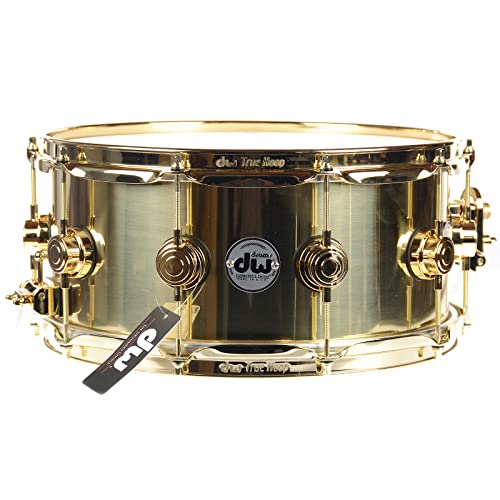
6.5" x 14" Brass Snare Drum with Triple-flanged True-Hoops - Polished Brass
Venue Considerations for Steel Vs Brass
When selecting a snare drum for performance, understanding the specific venue is essential, as each setting presents unique acoustic challenges and opportunities. Metal snares, such as steel, produce a bright and penetrating drum sound, making them particularly effective in loud venues like rock concerts, where their clarity cuts through instruments and vocals. Conversely, brass snares deliver a warmer tone, ideal for intimate settings where nuanced dynamics shine. In boomy acoustics, steel snares articulate sounds clearly, preventing muddiness, whereas brass may blend too much. For dry venues, brass enhances warmth and resonance, creating a fuller experience, while steel can sound overly sharp. Therefore, choice of shell material is vital, greatly impacting tonal clarity and suitability for various musical applications. Additionally, protecting your snare drum with a bag featuring adequate padding thickness ensures its sound quality is maintained by minimizing damage during transport.
Recommended Products

Configuration Snare Size: 14 x 12 in. Total Pieces: 1 Extras Case or Bag: Not Applicable Stand: Not Applicable Shells Shell Material: Maple Shell Construction: 8-Ply Shell Thickness (mm): Info Not Available Bearing Edge: 45 Reinforcement Ring: Yes Hardware Hardware Material: Aluminum Hoop Type: Die-cast Lugs: Tube Throw-Off: Tap-Style Internal muffler: No Snares: Steel Othe
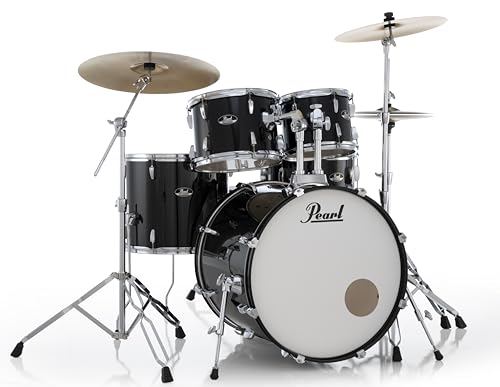
Complete Drum Set -The Pearl Roadshow drum kit comes complete with everything you need to start drumming right out of the box. This set comes with drums, hardware, cymbals, and drum throne. We even throw in sticks and a stick bag to complete the set THis model comes with an extra cymbal stand and upgraded BRD cymbals. 2 pair of maple drum sticks, stickbag and a Pearl Drum poster .

Traditional D shape
Cost Comparisons and Budget Options
Selecting the right snare drum involves careful consideration of cost, particularly for beginner and intermediate drummers traversing the financial landscape of musical instruments. Cost comparisons show that steel snares are generally more budget-friendly, starting around $100, making them an excellent choice for those on a tighter budget. In contrast, quality brass snares typically range from $200 to over $500, due to the materials and superior tonal qualities. For savings, used steel snares often present a valuable option, with many available at considerably lower prices than new brass models. While investing in a brass snare may provide durability and potential resale value, steel snares offer a larger selection of lower-cost choices, ensuring suitable budget options for any drummer. Understanding the impact of material quality and durability can help drummers make more informed choices when selecting their snare drums.
Recommended Products

with Carbon Fiber Shell - Gold Hardware

3.14" x 14" Maple Snare Drum with 3mm Triple-flanged Hoops - Gold Sparkle
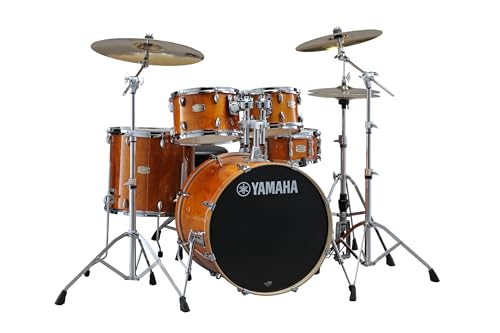
Included Drums: 22x17 kick, 10x7 rack tom, 12x8 rack tom, 16x15 floor tom, 14x5.5 snare
Maintenance Tips for Metal Snares
For drummers who have chosen to invest in steel or brass snare drums, understanding maintenance is essential to ensuring longevity and ideal sound quality. Regularly check for loose hardware, as vibrations can cause screws and tension rods to loosen over time, which affects tuning stability. After each use, it’s advisable to clean the shell and hardware with a soft, dry cloth to remove moisture and dirt, preventing corrosion. Snare wires should also be maintained; cleaning them periodically and applying lubricant at the points where they contact the shell will minimize squeaking. Additionally, inspecting the bearing edges is vital; clean and even edges promote optimal sound projection. Consider using specialized drum polish to enhance the luster and protect against tarnishing on your metal drum. Choosing durable materials for lug casings also contributes to maintaining tuning stability and overall drum performance.
Recommended Products

FLAGSHIP SOUND ENGINE: Powered by the V31 module, the Roland 3-Series V-Drum delivers the same advanced sound technology as the top-tier V71, offering dynamic tone, expressive detail, and professional-grade performance

DESIGN – 6-panel acrylic enclosure with interlocking panel structure
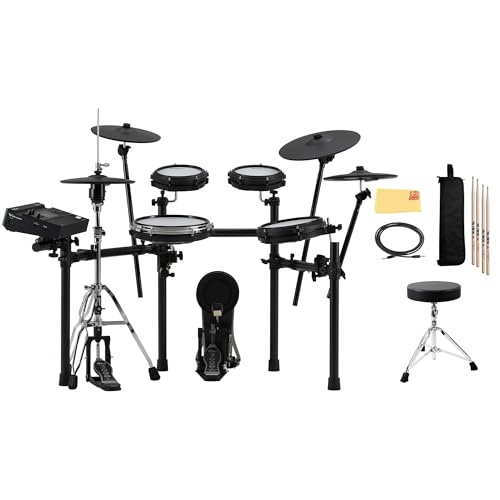
ADVANCED SOUND ENGINE: Powered by the V31 module, the Roland 3-Series V-Drum delivers the same expressive sound technology as the flagship V71, offering detailed tone, dynamic response, and studio-grade realism
Personal Preference and Sound Selection
The choice of snare drum often hinges on personal preference, with factors like sound, feel, and style influencing a drummer’s decision. Steel shell snare drums are known for their bright, cutting tone, perfect for live settings that demand clarity. In contrast, brass shell snares provide a warmer, darker sound rich in overtones, ideal for genres that require a fatter, more resonant drum sound. Drummers may opt for steel snares to achieve strong projection, while brass snares offer smoother dynamics in softer contexts. Additionally, the distinct tonal qualities of each snare drum shell can affect the rim shot sound, with brass producing a clearer attack. Ultimately, personal preference and sound selection play crucial roles in a drummer’s choice.
Frequently Asked Questions
What Is the Difference Between Brass and Steel Snares?
The difference between brass and steel snares lies in their materials and tonal characteristics. Brass offers warmth and rich resonance, while steel provides brighter sound projection and sustain, each influencing the overall drum shell construction and performance.
What Does a Brass Snare Drum Sound Like?
A brass snare drum produces rich tonal qualities with crisp clarity, strong sound projection factors, and resonant sustain. Its characteristics enable dynamic recording techniques, making it suitable for various styles and enhancing musical expression in diverse environments.
What Is the Best Material for Snare Drum?
The best material for snare drums varies, influenced by wooden snares vs. metal drum construction, snare drum hardware choices, and drum tuning techniques, with shell thickness impacting sound. Ultimately, personal preference dictates the ideal selection.
Are Metal Snares Louder?
Yes, metal snares are generally louder due to their material density and acoustic properties. The volume dynamics result from snare construction, allowing for enhanced sound projection and articulation compared to wood alternatives, particularly in live settings.
