As an Amazon Associate, we earn from qualifying purchases. Some links on this site are affiliate links at no extra cost to you. Our recommendations are based on thorough research and editorial judgment.


Recording Capabilities: Electronic Vs Acoustic Drums

When comparing the recording capabilities of electronic and acoustic drums, understanding their unique strengths is essential. Acoustic drums deliver rich, dynamic sound due to their physical construction, thriving in properly treated environments. In contrast, electronic drums offer consistent and customizable tones, easily integrating with Digital Audio Workstations via MIDI connections. While acoustic setups require complex mic arrangements and room treatment, electronic options simplify recording with built-in features and editing flexibility. Exploring these differences provides insight into choosing the right drum setup.
Key Takeaways
- Acoustic drums offer authentic sound quality, capturing nuanced dynamics and tonal variations ideal for well-treated recording environments.
- Electronic drums provide consistent sound unaffected by room acoustics and allow for quick setup and recording through MIDI and USB connections.
- Recording acoustic drums requires multiple microphones, careful mic placement, and knowledge of phase cancellation to avoid distortions.
- Electronic drums simplify the recording process with built-in functions and software integration, leading to faster and more flexible editing and production.
- Acoustic recording can be more costly due to equipment and maintenance, while electronic drums offer budget-friendly options with quality virtual instrument software.
Understanding the Basics of Acoustic and Electronic Drums

You may be interested
10 Best Acoustic Drum Sets That Will Rock Your Practice Room
February 15, 2026
10 Best Drum Noise Gates to Elevate Your Studio Sound
February 15, 2026

10 Best Electronic Drum Kits That Will Amp Up Your Practice Sessions
February 15, 2026
In the world of music, the heartbeat often comes from drums, which can be categorized mainly into two types: acoustic and electronic. Acoustic drums produce sound through the physical impact of sticks on drumheads, delivering an authentic tonal experience. This richness is most noticeable in well-treated environments that enhance sound quality. In contrast, electronic drums rely on a drum module to trigger pre-recorded sound samples, offering customizable tones and volume control without the need for extensive microphone setups. For home studios, electronic kits simplify the recording process by connecting directly to digital audio workstations (DAWs), eliminating the complexities associated with acoustic configurations. The choice between these two options can profoundly impact both recording efficiency and the overall sound experience. Additionally, many electronic drum sets come equipped with USB MIDI and Bluetooth support that allow seamless integration with music production software, enhancing creative possibilities.
Sound Quality in Recording

Sound quality in recording plays a pivotal role in determining the overall impact of a musical piece, particularly when it comes to drums. Acoustic drums excel in capturing dynamic nuances and tonal variations, benefiting from their physical presence and interaction with carefully arranged room acoustics. This allows for rich recordings, especially in well-tuned environments. Conversely, electronic drums rely on pre-recorded sound samples delivered via a drum module, ensuring consistent sound that is largely unaffected by room acoustics, thereby streamlining the recording process. While they offer the convenience of setup and various audio textures, they may lack the organic richness of acoustic drums. Ultimately, the choice involves balancing desired sound quality with the practicality of each drum type within specific recording contexts. Many drummers enhance the sound quality of acoustic recordings by selecting the right drum head varieties to match their musical style and recording environment.
Integration With Digital Audio Workstations (DAWS)

Integration of drums with Digital Audio Workstations (DAWs) opens up a world of possibilities for musicians and producers alike. Electronic drum kits offer easy integration through MIDI connectivity, allowing for smooth connections to DAWs without the complexity of traditional microphone setups required for acoustic drums. Many electronic kits have built-in USB ports, enabling quick computer connections. This simplicity enhances the recording process, making it faster and more efficient. Additionally, VST plugins, like Superior Drummer, provide sound versatility, allowing users to manipulate sounds extensively. Features such as quantization and layering become straightforward with electronic drums, enabling precise adjustments that can be cumbersome with acoustic recordings. Overall, this integration transforms the way music is created and produced, empowering creativity. Ensuring DAW compatibility with your audio interface is essential for seamless integration and optimal workflow.
Ease of Use for Beginners
For beginners stepping into the world of drumming, electronic drums offer a compelling blend of functionality and simplicity that enhances the learning experience. Electronic kits provide incredible recording capabilities, allowing for immediate setup and playback, which is essential for performance evaluation. This ease of use for beginners means they can access their practice sessions effortlessly, tracking progress over time without the complexities often associated with acoustic drums, which typically require microphones and other recording equipment. The ability to connect these electronic kits to a computer or a DAW (Digital Audio Workstation) simplifies the recording process. Additionally, customizable presets and sounds invite experimentation, helping new drummers find their style right from the start, making learning both engaging and accessible. Many kits, like the AODSK AED-403, include Melodics lessons that further support skill development and practice convenience.
Recording Techniques for Acoustic Drums
While many drummers appreciate the convenience and versatility of electronic kits, the rich and dynamic sound of acoustic drums remains unrivaled, especially during recordings. The standard mic setup for recording acoustic drums typically includes overhead mics, snare mics, and bass drum mics, allowing for a thorough capture of the full sound spectrum. Proper placement of microphones is critical; overhead mics should be strategically positioned to minimize bleed from other instruments while effectively capturing the kit’s sound. Additionally, using a stereo room mic enhances the recording’s immersive quality by reflecting the room’s natural acoustics. Acoustic drum recordings particularly shine in a well-treated room, which reduces unwanted room resonances. Understanding phase cancellation through symmetric mic placement is essential to avoid audio distortion during the recording process. Utilizing microphones with cardioid and supercardioid patterns can further reduce bleed and ensure clear isolation of each drum for a cleaner recording.
Recommended Products

HIGH-PERFORMANCE SPECS: Features 70dB S/N ratio, Balanced XLR inputs, 24–48V phantom power capability, unidirectional sound clarity, 50Hz–18kHz frequency response, -58dB to -45dB sensitivity range, and durable dynamic and condenser elements.

High-performance set of 7 microphones tuned and matched to capture every nuance of a full drum kit

High Quality Instrument Microphone. This 5-piece drum microphone set features a sturdy metal housing and sleek design. Reinforced metal mesh head to avoid abrasion and damage for more durability.
Recording Techniques for Electronic Drums
When exploring the recording techniques for electronic drums, it becomes evident that these innovative instruments offer numerous advantages for musicians and producers alike. An electronic drum kit can be effortlessly connected to a DAW (Digital Audio Workstation) via MIDI, allowing for smooth recording and editing. Many kits include built-in recording functions, enabling users to capture their performances for review. Utilizing virtual studio technology (VST) plugins, such as Superior Drummer, can greatly enhance recordings with access to high-quality drum samples. Unlike acoustic drums, electronics eliminate the hassles of room treatment and microphone placement, simplifying the process. Players can quickly record multiple takes, and features like quantization help adjust timing, making electronic kits a highly efficient choice for modern music production. Additionally, the presence of USB/MIDI connectivity in many drum trigger modules ensures seamless integration with external recording equipment and software.
Recommended Products

Easy to use: Simply connect your iOS devices to your musical instruments by plugging in the Lightning-to-MIDI cable. It's good for musicians playing various electronic instruments, not for printer

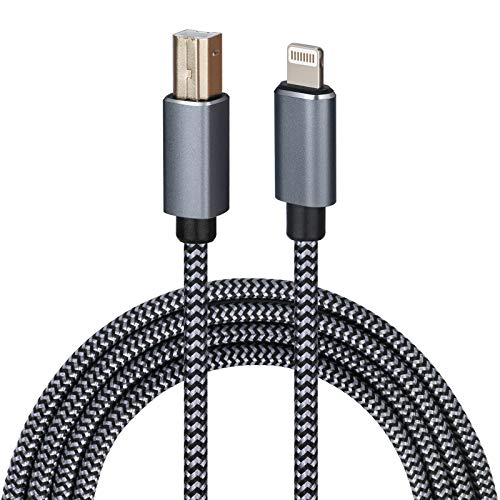
HOW TO USE:Connect for iPhone/iPad to your musical instruments with just plug the Lightning to MIDI cable into your instrument, can play and record music. It is the best choice for players of various electronic musical instruments.
Flexibility in Sound Customization
Flexibility in sound customization is one of the standout features of electronic drums, setting them apart from traditional acoustic kits. Electronic kits offer extensive sound customization through built-in drum modules, allowing musicians to explore hundreds of pre-recorded samples. Users can easily adjust parameters like tuning and muffling to create their desired sound profile. Furthermore, when connected to a Digital Audio Workstation (DAW), these kits facilitate a simplified recording process, enabling real-time changes in sound output without the need to alter the physical setup. While acoustic drums possess unique tonal qualities, they rely heavily on room acoustics and careful mic placement. In contrast, electronic drums provide unmatched flexibility, allowing musicians to tailor their sound effortlessly during each recording session. Many modules also include advanced editing capabilities, such as EQ settings and multi-effects customization, to further enhance sound personalization.
The Role of MIDI in Electronic Drum Recording
MIDI, or Musical Instrument Digital Interface, plays an essential role in recording electronic drums by allowing musicians to send detailed performance data directly to a computer or Digital Audio Workstation (DAW). Each pad on an electronic drum kit can transmit unique MIDI note numbers, facilitating customization of drum sounds during recording. This capability allows musicians to layer multiple samples, enhancing their creativity. MIDI’s recording capabilities enable effortless editing, where adjustments to timing, velocity, and quantization can create a polished track. Moreover, the integration of MIDI with software like Logic Pro and Ableton Live, coupled with virtual instrument libraries such as Superior Drummer, provides access to high-quality drum sounds, elevating the overall quality of recorded music. Many advanced drum modules feature USB/MIDI connectivity which simplifies integration with virtual instruments and recording setups.
Setup Requirements for Recording
Setting up for a recording session necessitates careful consideration of the equipment and environment to guarantee ideal sound capture. Acoustic drum kits typically require complex mic setups, including overhead and bass drum microphones, to effectively capture their unique sound during recording sessions. This meticulous arrangement helps highlight the drum dynamics and resonance. Conversely, electronic drums simplify this process with a straightforward USB connection to a computer or digital audio workstation (DAW), streamlining the recording process. Additionally, they can utilize VST software like Superior Drummer, which allows for extensive customization of sounds. In acoustic setups, employing a stereo room mic enhances sound ambiance, providing a richer audio experience compared to the direct sound from electronic kits, which often lacks depth. Using a drum isolation shield can further improve recording clarity by minimizing unwanted noise and cymbal bleed.
Recommended Products

DESIGN – 6-panel acrylic enclosure with interlocking panel structure

Acoustic drum shield to reflect and isolate drums for a reduced perceived volume and cleaner recordings. Uses include House of Worship, studios, live performance stages and anywhere you need to isolation sound. The acrylic drum shield isolates the drums so the sound engineer can get a clearner recording or sound mix while also reducing the volume of the drums on stage.

【Exceptional recording effect】A 0.15-inch-thick transparent drum baffle is placed in front of your drum set, isolating your drum sounds during the recording or live performance process, reducing the leakage volume between microphones, and thus generating a clearer and more concentrated sound.
Acoustic Treatment Considerations
Achieving high-quality recordings of acoustic drums hinges greatly on the acoustic treatment of the recording space, which plays an essential role in sound clarity and richness. Proper acoustic treatment minimizes unwanted reflections and echoes that can muddy the drum sound. Utilizing materials like acoustic panels and bass traps enhances the frequency response of the room, ensuring more balanced high and low frequencies. An untreated recording environment may lead to inconsistencies in tone, particularly during quieter performances. As a result, the strategic placement of microphones, combined with effective room treatment, can capture a more authentic sound that reflects the true capabilities of the drum kit. Ultimately, acoustic treatment is vital not only for sound quality but also for fostering a professional recording atmosphere. Choosing panels that balance both sound absorption and diffusion can further improve the acoustic environment for drum recording.
Cost Implications of Recording Gear
When considering the cost implications of recording gear, it is essential to recognize the significant financial differences between acoustic and electronic drum setups. Acoustic drum recording typically necessitates multiple microphones, resulting in higher upfront costs for quality studio gear, sometimes exceeding several hundred dollars. Additionally, ongoing expenses for maintenance, such as replacement acoustic drum heads and cymbals, can further strain budgets. In contrast, an electronic drum kit usually requires just a USB or MIDI interface to connect directly to a digital audio workstation (DAW). By utilizing virtual instrument software, users can achieve quality recordings while minimizing long-term expenses. Consequently, electronic drums offer a more budget-friendly approach, featuring fewer maintenance needs and lower overall costs compared to their acoustic counterparts.
Recommended Products

FEATURES / POWER SPECS : Extra Long 6 Feet USB 2.0 Type-A Male to Type-B Male Connection Cable / High-Speed Transfer Rates up to 480Mbps 28AWG/2C+26AWG/2C with Error-Free Performance
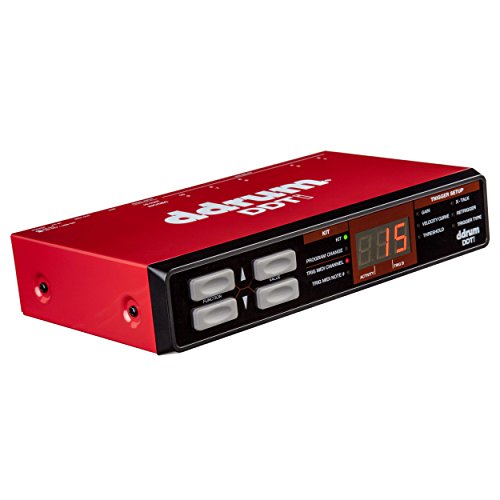
A simple way to convert your drum pads or triggers into MIDI with 10 TRS trigger inputs to accommodate single- or dual-zone triggers

Beat Production, Anywhere - Ultra-portable, feature-packed and USB powered pad controller with 16 thick fat MPC pads for triggering drums, melodic samples, effects and more
Choosing the Right Setup for Your Needs
Choosing the right setup for recording drums is essential, as it directly influences both the quality of the sound and the ease of the recording process. For beginners, electronic drums seamlessly integrate with Digital Audio Workstations, making the recording process straightforward. They produce consistent sound levels and can adhere to specific volumes without interference, which is particularly beneficial in various settings. In contrast, acoustic drums demand a quality studio environment, where proper microphone setups are crucial to capture their intricate sound spectrum. Standard configurations often involve overhead and bass drum mics. Additionally, utilizing virtual studio technology, like VST software such as Superior Drummer, enhances sound quality in both electronic and acoustic recordings, providing a broader range of options for producers and musicians alike.
Recommended Products

Complete Percussion Experience - Professional 8-piece electronic drum set with ultra-quiet Alesis mesh heads, revolutionary Drum Module with Bluetooth and built-in industry-leading BFD drum sounds
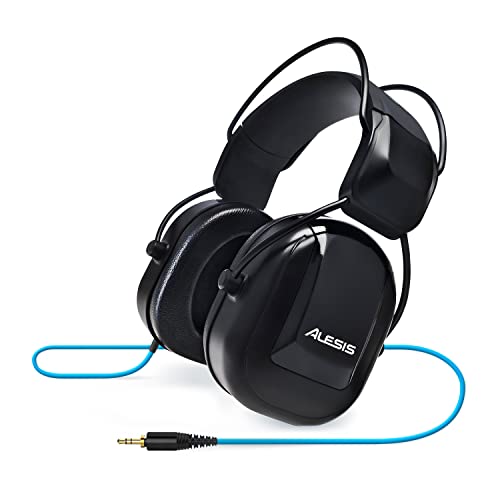
Stay Focused on Your Performance - Over-ear design provides extreme audio isolation and comfort, perfect for studio, practice and stage use

【Professional 9 Pads Electric Drum Pad】Sboet electronic drum set includes 3 TOMS, 2 CRASHES, 1 HI-HAT, 1 RIDE, 1 SNARE, 1 BASS and 2 Pedals, offers 7 Timbres, 10 DEMO Songs and 9 Rhythms, it contains all the drums you need to get started, perfect for kids beginners or professional drummers
Frequently Asked Questions
Are Electric Drums Better for Recording?
Electronic drums offer superior recording flexibility through MIDI capabilities, diverse drum pad options, and editing options. Their sound quality and simplified studio setup appeal to many musicians, though preferences and cost comparisons influence choices for live performance.
Do Professional Drummers Use Electronic Drums?
Professional drummers frequently use electronic drums for studio performance and live gigs, valuing their sound versatility and recording flexibility. Drummer preferences are influenced by noise level, practice sessions, technical challenges, and budget considerations across various music genres.
What Is the Disadvantage of Electronic Drums?
Electronic drums often resemble a delicate flower, beautiful yet fragile. Their disadvantages include poor dynamic response, compromised sound quality, latency issues, limited trigger sensitivity, and a synthetic drum feel, impacting live performance despite portability benefits and diverse sampling options.
Are Acoustic or Electronic Drums Better?
Acoustic drums offer superior sound quality suited for studio settings, while electronic drums provide versatility and recording ease, catering to diverse genres. Portability advantages and practice benefits also influence performance preferences and cost comparisons between the two options.


